



《中国康复理论与实践》 ›› 2025, Vol. 31 ›› Issue (12): 1376-1384.doi: 10.3969/j.issn.1006-9771.2025.12.002
朱艾荣1,2, 刘培豪2, 郭晶2, 管婷玉1,2, 陈玺竹1,2, 蔡诗凝1, 胡雁2, 张玉侠1( )
)
收稿日期:2025-06-17
修回日期:2025-09-23
出版日期:2025-12-25
发布日期:2025-12-29
通讯作者:
张玉侠
E-mail:zhang.yuxia@zs-hospital.sh.cn
作者简介:朱艾荣(2002-),男,汉族,福建福州市人,硕士研究生,主要研究方向:老年认知护理、康复护理。
基金资助:
ZHU Airong1,2, LIU Peihao2, GUO Jing2, GUAN Tingyu1,2, CHEN Xizhu1,2, CAI Shining1, HU Yan2, ZHANG Yuxia1()
Received:2025-06-17
Revised:2025-09-23
Published:2025-12-25
Online:2025-12-29
Contact:
ZHANG Yuxia
E-mail:zhang.yuxia@zs-hospital.sh.cn
Supported by:摘要:
目的 探讨运动联合认知双任务训练对帕金森病患者认知功能的效果。
方法 遵循PRISMA指南,系统检索Cochrane Library、Web of Science、Embase、PubMed、中国知网、万方数据库、维普和中国生物医学文献数据库中关于运动联合认知双任务训练对帕金森病患者认知功能影响的随机对照试验(RCT),检索时限为建库至2024年12月20日。采用Cochrane评价手册5.1.0版RCT偏倚风险评估工具和PEDro量表对纳入文献进行质量评价。采用RevMan 5.4进行Meta分析。采用GRADE进行证据质量评价。
结果 共纳入10篇文献,涉及330例患者,PEDro量表评分6~9分。Meta分析结果显示,运动联合认知双任务训练能改善帕金森病患者的蒙特利尔认知评估(MoCA)评分(MD = 2.05, 95%CI 0.38~3.73, P = 0.02);Stroop色词测试(SCWT)反应时和正确数、连线测试A (TMT-A)、连线测试B (TMT-B)均与对照组无显著性差异(P > 0.05)。亚组分析显示,干预时长≥ 3个月时,MoCA改善效应显著优于对照组(MD = 3.64, 95%CI 3.13~4.16, P < 0.001)。双任务训练改善MoCA的GRADE为低级,改善TMT-A、TMT-B、SCWT反应时和正确数为中级。
结论 运动联合认知双任务训练能改善帕金森病患者整体认知功能,推荐进行≥ 3个月的干预;对视空间和执行功能的效果有待进一步研究。
中图分类号:
朱艾荣, 刘培豪, 郭晶, 管婷玉, 陈玺竹, 蔡诗凝, 胡雁, 张玉侠. 运动-认知双任务训练对帕金森病患者认知功能的Meta分析[J]. 《中国康复理论与实践》, 2025, 31(12): 1376-1384.
ZHU Airong, LIU Peihao, GUO Jing, GUAN Tingyu, CHEN Xizhu, CAI Shining, HU Yan, ZHANG Yuxia. Motor-cognitive dual-task training for cognitive function in patients with Parkinson's disease: a meta-analysis[J]. Chinese Journal of Rehabilitation Theory and Practice, 2025, 31(12): 1376-1384.
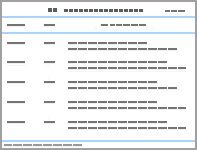
表1
PICO架构"
| 人群(Population) | 干预(Intervention) | 比较(Comparison) | 结局(Outcome) |
|---|---|---|---|
| PD患者 | 干预场所 医院 社区 康复中心 | 运动联合认知双任务训练干预与常规康复训练或认知训练的比较 | 身体功能 b140注意力功能 b156知觉功能 b164高水平认知功能 |
| 干预措施 | |||
| 同时进行的运动联合认知训练 | |||
| 干预人员 | |||
| 康复治疗师 | |||
| 干预疗程 |

图1
文献筛选流程图"
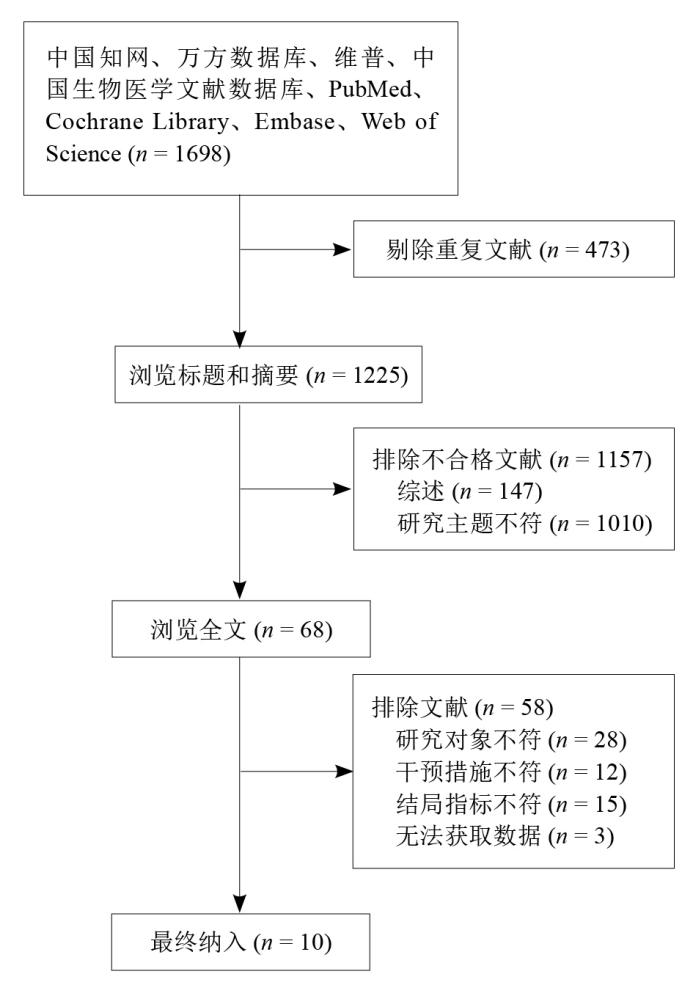
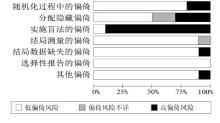
图2
偏倚风险图"
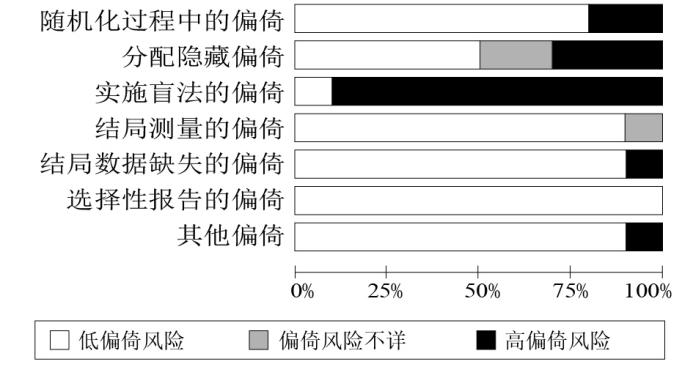
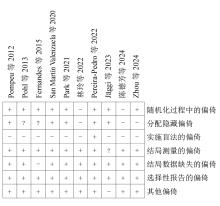
图3
纳入文献偏倚评估"
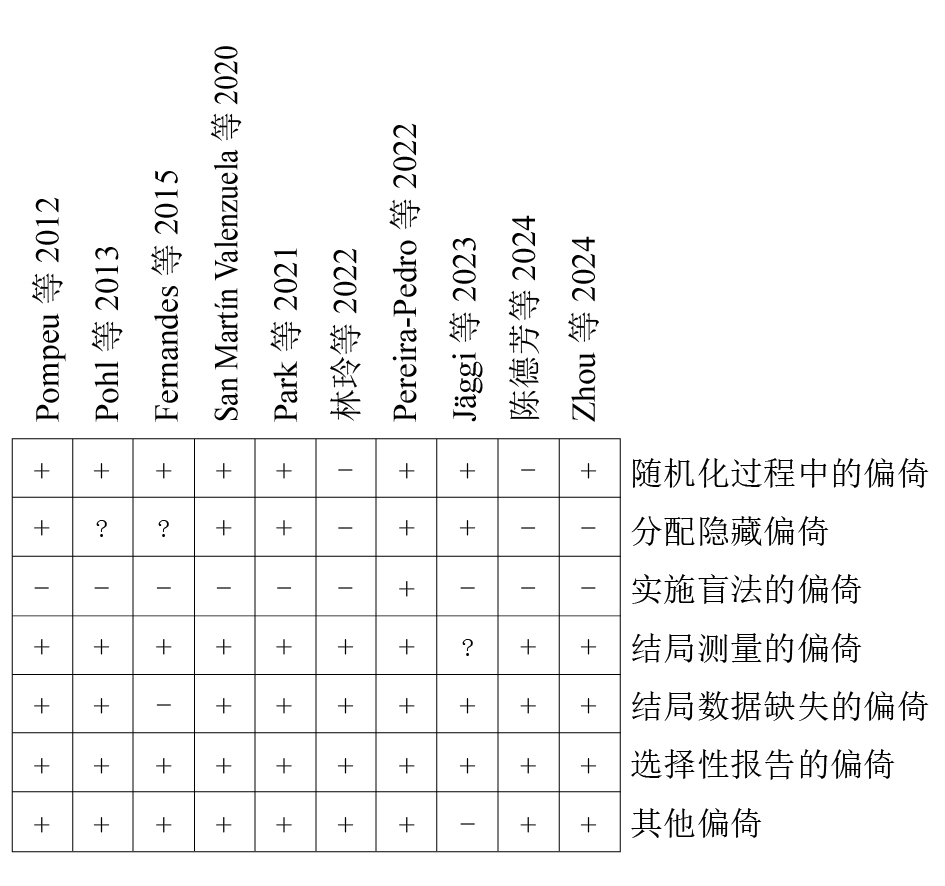
表2
纳入文献的PEDro量表评分"
| 纳入文献 | 明确的纳入排除标准 | 随机分配 | 分配隐藏 | 基线相似 | 研究对象施盲 | 治疗师施盲 | 结果评估施盲 | 退出率< 15% | 意向治疗分析 | 组间统计结果分析 | 点测量和差异值 | 总分 |
|---|---|---|---|---|---|---|---|---|---|---|---|---|
| Pompeu等[ | √ | √ | √ | √ | √ | √ | √ | √ | √ | 8 | ||
| Pohl等[ | √ | √ | √ | √ | √ | √ | √ | √ | 7 | |||
| Fernandes等[ | √ | √ | √ | √ | √ | √ | √ | √ | 7 | |||
| San Martín Valenzuela等[ | √ | √ | √ | √ | √ | √ | √ | √ | 7 | |||
| Park等[ | √ | √ | √ | √ | √ | √ | √ | √ | 7 | |||
| 林玲等[ | √ | √ | √ | √ | √ | √ | √ | 6 | ||||
| Pereira-Pedro等[ | √ | √ | √ | √ | √ | √ | √ | √ | √ | √ | 9 | |
| Jäggi等[ | √ | √ | √ | √ | √ | √ | √ | 6 | ||||
| 陈德芳等[ | √ | √ | √ | √ | √ | √ | √ | 6 | ||||
| Zhou等[ | √ | √ | √ | √ | √ | √ | √ | √ | 7 |
表3
纳入文献基本特征"
| 纳入文献 | 国家 | 年龄(试验组/对照组)/岁 | n(对照组/试验组) | Hoehn-Yahr分期 | 对照组干预措施 | 试验组干预措施 | 干预时间、频率、周期 | 结局指标 | 评价工具 |
|---|---|---|---|---|---|---|---|---|---|
| Pompeu等[ | 巴西 | 68.6±8.0/66.2±8.3 | 16/16 | 1~2 | 常规平衡训练 | 游戏化双任务:基于Wii设备的平衡/步态结合认知训练 | 每次60 min,每周2次,共7周 | 认知功能 | ① |
| Pohl等[ | 瑞典 | 6/12 | 1~4 | 常规康复训练 | 音乐节律双任务:节律结合音符认知训练 | 每次60 min,每周2次,共6周 | 执行功能 | ② | |
| Fernandes等[ | 葡萄牙 | 62.3±12.9/63.4±9.5 | 7/8 | 1~3 | 与试验组相同的平衡训练 | 平衡认知双任务:稳定性/步行训练同时记忆/命名/拼写 | 每次60 min,每周2次,共6周 | 视空间能力、注意力及工作记忆 | ③④ |
| San Martín Valenzuela等[ | 西班牙 | 64.8±8.8/66.4±7.1 | 17/23 | 1~3 | 与试验组相同的平衡训练 | 平衡认知双任务:步行训练同时记忆/时间读取/声音识别 | 每次60 min,每周2次,共10周 | 视空间能力、注意力及工作记忆 | ③④ |
| Park等[ | 韩国 | 63.1±10.1/61.6±4.9 | 6/6 | 2~3 | 常规康复训练 | 音乐节律双任务:节律演奏同时唱歌/任务切换 | 每次50 min,每周3次,共12周 | 视空间能力、注意力及工作记忆 | ⑤⑥ |
| 林玲等[ | 中国 | 71.8±5.4/73.7±3.1 | 20/20 | 1~2.5 | 常规平衡训练 | 平衡认知双任务:步行训练同时计算/记忆/命名 | 每次30 min,每周3次,共12周 | 认知功能 | ① |
| Pereira-Pedro等[ | 西班牙 | 65.4±5.2/70.5±9.2 | 7/8 | 2~3 | 与试验组相同的骑行训练 | 骑行认知双任务:骑行同时词语/句子排序 | 每次20 min,每周2次,共7周 | 执行功能 | ② |
| Jäggi等[ | 瑞士 | 72.9±10.1/71.9±9.1 | 21/19 | 1~4 | 常规康复训练 | 游戏化双任务:基于Davidat设备的步伐结合认知训练 | 每次15 min,每周5次,共2~4周 | 执行功能、视空间能力、注意力及工作记忆 | ②③④ |
| 陈德芳等[ | 中国 | 70.2±6.3/71.4±6.9 | 45/45 | 1~2.5 | 常规康复训练 | 平衡认知双任务:体操/步行同时计算/命名/记忆 | 每次30 min,每周3次,共24周 | 认知功能 | ① |
| Zhou等[ | 中国 | 63.1±9.4/62.3±5.4 | 14/14 | 1~3 | 与试验组相同的平衡训练 | 平衡认知双任务:跑台行走同时回忆/计算/命名 | 每次90 min,每周2次,共8周 | 认知功能;执行功能、视空间能力、注意力及工作记忆 | ①②③④ |
表4
Meta分析结果"
| 结局指标 | 纳入研究数/n | 异质性检验 | 效应模型 | Meta分析结果 | ||
|---|---|---|---|---|---|---|
| I2值 | P值 | MD/SMD(95%CI) | P值 | |||
| MoCA评分 | 4[ | 89 | < 0.001 | 随机效应模型 | 2.05(0.38, 3.73) | 0.02 |
| TMT-A评分 | 5[ | 0 | 0.98 | 固定效应模型 | -0.30(-0.64, 0.04) | 0.09 |
| TMT-B评分 | 5[ | 0 | 0.86 | 固定效应模型 | -0.20(-0.55, 0.14) | 0.24 |
| SCWT反应时 | 2[ | 0 | 0.79 | 固定效应模型 | -2.23(-12.88, 8.42) | 0.68 |
| SCWT正确数 | 2[ | 0 | 0.96 | 固定效应模型 | 4.02(-2.79, 10.84) | 0.25 |
表5
运动联合认知双任务训练对帕金森病患者整体认知功能效果的亚组分析"
| 干预时长 | 纳入研究数/n | 样本量/n | 异质性检验 | 效应模型 | Meta分析结果 | ||
|---|---|---|---|---|---|---|---|
| I2值 | P值 | MD(95%CI) | P值 | ||||
| < 3个月 | 2 | 30 | 0 | 0.94 | 固定效应模型 | 0.24(-0.98, 1.46) | 0.700 |
| ≥ 3个月 | 2 | 65 | 0 | 0.33 | 固定效应模型 | 3.64(3.13, 4.16) | < 0.001 |
表6
GRADE证据质量评价"
| 结局指标 | 研究数量/n | 样本量/n | 局限性 | 不一致性 | 间接性 | 不准确性 | 发表偏倚 | 证据等级 |
|---|---|---|---|---|---|---|---|---|
| MoCA评分 | 4[ | 190 | 0 | 降一级a | 0 | 降一级b | 0 | 低 |
| TMT-A评分 | 5[ | 135 | 0 | 0 | 0 | 降一级b | 0 | 中等 |
| TMT-B评分 | 5[ | 135 | 0 | 0 | 0 | 降一级b | 0 | 中等 |
| SCWT反应时 | 2[ | 58 | 0 | 0 | 0 | 降一级b | 0 | 中等 |
| SCWT正确数 | 2[ | 43 | 0 | 0 | 0 | 降一级b | 0 | 中等 |
| [1] | 王坚, 邬剑军, 常颖, 等. 中国帕金森疾病蓝皮书[J]. 中国临床神经科学, 2024, 32(S1): 1-41. |
| WANG J, WU J J, CHANG Y, et al. The bluebook for Parkinsonian disorders in China[J]. Chin J Clin Neurosci, 2024, 32(S1): 1-41. | |
| [2] |
NEMADE D, SUBRAMANIAN T, SHIVKUMAR V. An update on medical and surgical treatments of Parkinson's disease[J]. Aging Dis, 2021, 12(4): 1021-1035.
doi: 10.14336/AD.2020.1225 |
| [3] | 王丽娟, 冯淑君, 聂坤. 中国帕金森病轻度认知障碍的诊断和治疗指南(2020版)[J]. 中国神经精神疾病杂志, 2021, 47(1): 1-12. |
| [4] |
KEHAGIA A A, BARKER R A, ROBBINS T W. Neuropsychological and clinical heterogeneity of cognitive impairment and dementia in patients with Parkinson's disease[J]. Lancet Neurol, 2010, 9(12): 1200-1213.
doi: S1474-4422(10)70212-X pmid: 20880750 |
| [5] |
LIU H, ZHONG Y, ZENG Z, et al. Drug-related problems in hospitalised Parkinson's disease patients in China[J]. Eur J Hosp Pharm, 2022, 29(6): 308-312.
doi: 10.1136/ejhpharm-2020-002356 |
| [6] |
VAN BALKOM T D, BERENDSE H W, VAN DER WERF Y D, et al. COGTIPS: a double-blind randomized active controlled trial protocol to study the effect of home-based, online cognitive training on cognition and brain networks in Parkinson's disease[J]. BMC Neurol, 2019, 19(1): 179.
doi: 10.1186/s12883-019-1403-6 pmid: 31366395 |
| [7] |
董新秀, 胡慧, 王凌, 等. 轻度认知功能损害认知训练内容体系的构建[J]. 中国全科医学, 2019, 22(3): 306-311, 318.
doi: 10.12114/j.issn.1007-9572.2018.00.205 |
| DONG X X, HU H, WANG L, et al. Construction of cognitive training system of mild cognitive impairment[J]. Chin Gen Pract, 2019, 22(3): 306-311, 318. | |
| [8] | 成红霞, 陈德芳. 认知康复训练对老年帕金森病患者认知功能及生活质量的影响[J]. 系统医学, 2019, 4(23): 177-179. |
| CHENG H X, CHEN D F. Effect of cognitive rehabilitation training on cognitive function and quality of life in elderly patients with Parkinson's disease[J]. Syst Med, 2019, 4(23): 177-179. | |
| [9] | 陈江波, 刘新生, 李时光, 等. 认知功能康复训练治疗帕金森病痴呆的临床效果分析[J]. 中国老年保健医学, 2015, 13(6): 19-20. |
| [10] |
FORMICA C, BONANNO M, SORBERA C, et al. Smartphone-based cognitive telerehabilitation: a usability and feasibility study focusing on mild cognitive impairment[J]. Sensors, 2024, 24(2): 525-525.
doi: 10.3390/s24020525 |
| [11] |
FETER N, ALT R, HÄFELE C A, et al. Effect of combined physical training on cognitive function in people with epilepsy: results from a randomized controlled trial[J]. Epilepsia, 2020, 61(8): 1649-1658.
doi: 10.1111/epi.v61.8 |
| [12] |
LEITE N J C, RAIMUNDO A M M, MENDES R D C, et al. Impact of a motor-cognitive intervention on cognitive function in middle-aged and older patients with type 2 diabetes[J]. Geriatr Nurs, 2024, 60(6): 602-609.
doi: 10.1016/j.gerinurse.2024.10.018 |
| [13] | ZHANG S, YIN Q, ZHENG Y, et al. Cortical structure of left superior parietal cortex is associated with cognition and dual tasking: a cross-sectional preliminary study between mild cognitive impairment and healthy controls[J]. Behav Brain Res, 2025, 479(4): 1-9. |
| [14] | TORRE M M, TEMPRADO J J. A review of combined training studies in older adults according to a new categorization of conventional interventions[J]. Front Aging Neurosci, 2021, 13(1): 1-18. |
| [15] |
MCEWEN S C, JARRAHI B, VENTURA J, et al. A combined exercise and cognitive training intervention induces fronto-cingulate cortical plasticity in first-episode psychosis patients[J]. Schizophr Res, 2023, 251(1): 12-21.
doi: 10.1016/j.schres.2022.12.001 |
| [16] |
RIOS ROMENETS S, ANANG J, FERESHTEHNEJAD S M, et al. Tango for treatment of motor and non-motor manifestations in Parkinson's disease: a randomized control study[J]. Complement Ther Med, 2015, 23(2): 175-184.
doi: 10.1016/j.ctim.2015.01.015 pmid: 25847555 |
| [17] | PAGE M J, MOHER D, BOSSUYT P M, et al. PRISMA 2020 explanation and elaboration: updated guidance and exemplars for reporting systematic reviews[J]. BMJ, 2021, 372: n160. |
| [18] |
邱卓英, 李伦, 陈迪, 等. 基于世界卫生组织国际健康分类家族康复指南研究:理论架构和方法体系[J]. 中国康复理论与实践, 2020, 26(2): 125-135.
doi: 10.3969/j.issn.1006-9771.2020.02.001 |
| QIU Z Y, LI L, CHEN D, et al. Research on rehabilitation guidelines using World Health Organization Family International Classifications: framework and approaches[J]. Chin J Rehabil Theory Pract, 2020, 26(2): 125-135. | |
| [19] |
LI J, JIN M, WANG L, et al. MDS clinical diagnostic criteria for Parkinson's disease in China[J]. J Neurol, 2017, 264(3): 476-481.
doi: 10.1007/s00415-016-8370-2 pmid: 28025665 |
| [20] |
SHUSTER J J. Review: Cochrane Handbook for Systematic Reviews for Interventions, version 5.1.0, published 3/2011. Julian P.T. Higgins and Sally Green, Editors[J]. Res Synth Methods, 2011, 2(2): 126-130.
doi: 10.1002/jrsm.v2.2 |
| [21] |
MURRAY E, POWER E, TOGHER L, et al. The reliability of methodological ratings for speechBITE using the PEDro-P scale[J]. Int J Lang Comm Dis, 2013, 48(3): 297-306.
doi: 10.1111/jlcd.2013.48.issue-3 |
| [22] |
BEZERRA C T, GRANDE A J, GALVÃO V K, et al. Assessment of the strength of recommendation and quality of evidence: GRADE checklist. A descriptive study[J]. Sao Paulo Med J, 2022, 140(6): 829-836.
doi: 10.1590/1516-3180.2022.0043.R1.07042022 pmid: 36102459 |
| [23] |
POMPEU J E, MENDES F A D S, SILVA K G DA, et al. Effect of Nintendo WiiTM-based motor and cognitive training on activities of daily living in patients with Parkinson's disease: a randomised clinical trial[J]. Physiotherapy, 2012, 98(3): 196-204.
doi: 10.1016/j.physio.2012.06.004 |
| [24] |
POHL P, DIZDAR N, HALLERT E. The ronnie gardiner rhythm and music method: a feasibility study in Parkinson's disease[J]. Disabil Rehabil, 2013, 35(26): 2197-2204.
doi: 10.3109/09638288.2013.774060 |
| [25] |
FERNANDES Â, ROCHA N, SANTOS R, et al. Effects of dual-task training on balance and executive functions in Parkinson's disease: a pilot study[J]. Somatosens Mot Res, 2015, 32(2): 122-127.
doi: 10.3109/08990220.2014.1002605 pmid: 25874637 |
| [26] |
SAN MARTÍN VALENZUELA C, MOSCARDÓ L D, LÓPEZ-PASCUAL J, et al. Effects of dual-task group training on gait, cognitive executive function, and quality of life in people with Parkinson disease: results of randomized controlled DUALGAIT trial[J]. Arch Phys Med Rehabil, 2020, 101(11): 1849-1856.e1.
doi: 10.1016/j.apmr.2020.07.008 |
| [27] |
PARK J K, KIM S J. Dual-task-based drum playing with rhythmic cueing on motor and attention control in patients with Parkinson's disease: a preliminary randomized study[J]. Int J Environ Res Public Health, 2021, 18(19): 1-12.
doi: 10.3390/ijerph18010001 |
| [28] | 林玲, 姜爱华. 双重任务训练对帕金森病轻度认知障碍患者的临床疗效分析[J]. 中国康复, 2022, 37(3): 162-165. |
| LIN L, JIANG A H. Clinical efficacy of dual task training in patients with mild cognitive impairment in Parkinson's disease[J]. Chin J Rehabil, 2022, 37(3): 162-165. | |
| [29] |
PEREIRA-PEDRO K P, DE OLIVEIRA I M, MOLLINEDO-CARDALDA I, et al. Effects of cycling dual-task on cognitive and physical function in Parkinson's disease: a randomized double-blind pilot study[J]. Int J Environ Res Public Health, 2022, 19(13): 7847.
doi: 10.3390/ijerph19137847 |
| [30] |
JÄGGI S, WACHTER A, ADCOCK M, et al. Feasibility and effects of cognitive-motor exergames on fall risk factors in typical and atypical Parkinson's inpatients: a randomized controlled pilot study[J]. Eur J Med Res, 2023, 28(1): 30.
doi: 10.1186/s40001-022-00963-x pmid: 36647177 |
| [31] | 陈德芳, 陈炜, 王桂云, 等. 健康操与认知任务训练在帕金森伴认知障碍患者中的应用[J]. 中国卫生标准管理, 2024, 15(9): 176-180. |
| CHEN D F, CHEN W, WANG G Y, et al. Application of health exercises and cognitive task training in Parkinson's patients with cognitive impairment[J]. Chin J Health Stand Manag, 2024, 15(9): 176-180. | |
| [32] |
ZHOU J H, WANG R Y, LIU Y T, et al. Improving executive function and dual-task cost in Parkinson disease: a randomized controlled trial[J]. J Neurol Phys Ther, 2024, 48(4): 188-197.
doi: 10.1097/NPT.0000000000000489 |
| [33] |
VON BASTIAN C C, BELLEVILLE S, UDALE R C, et al. Mechanisms underlying training-induced cognitive change[J]. Nat Rev Psychol, 2022, 1: 30-41.
doi: 10.1038/s44159-021-00001-3 |
| [34] |
FERNÁNDEZ-LAGO H, BOSCH-BARCELÓ P, SÁNCHEZ-MOLINA J A, et al. Cognitive reserve and executive functions in dual task gait performance in Parkinson's disease[J]. Exp Brain Res, 2024, 242(9): 2271-2278.
doi: 10.1007/s00221-024-06897-6 |
| [35] |
LAW L L F, BARNETT F, YAU M K, et al. Effects of combined cognitive and exercise interventions on cognition in older adults with and without cognitive impairment: a systematic review[J]. Ageing Res Rev, 2014, 15(1): 61-75.
doi: 10.1016/j.arr.2014.02.008 |
| [36] |
CURLIK D M, SHORS T J. Training your brain: Do mental and physical (MAP) training enhance cognition through the process of neurogenesis in the hippocampus?[J]. Neuropharmacology, 2013, 64(1): 506-514.
doi: 10.1016/j.neuropharm.2012.07.027 |
| [37] |
WU T, LIU J, HALLETT M, et al. Cerebellum and integration of neural networks in dual-task processing[J]. Neuroimage, 2013, 65(1): 466-475.
doi: 10.1016/j.neuroimage.2012.10.004 |
| [38] |
BLUMEN H M, HOLTZER R, BROWN L L, et al. Behavioral and neural correlates of imagined walking and walking-while-talking in the elderly[J]. Hum Brain Mapp, 2014, 35(8): 4090-4104.
doi: 10.1002/hbm.22461 pmid: 24522972 |
| [39] |
ZHUANG X, MAZZONI P, KANG U J. The role of neuroplasticity in dopaminergic therapy for Parkinson disease[J]. Nat Rev Neurol, 2013, 9(5): 248-256.
doi: 10.1038/nrneurol.2013.57 pmid: 23588357 |
| [40] |
VIEIRA-YANO B, MARTINI D N, HORAK F B, et al. The adapted resistance training with instability randomized controlled trial for gait automaticity[J]. Mov Disord, 2021, 36(1): 152-163.
doi: 10.1002/mds.v36.1 |
| [41] | VERGARA-DIAZ G, OSYPIUK K, HAUSDORFF J M, et al. Tai Chi for reducing dual-task gait variability, a potential mediator of fall risk in Parkinson's disease: a pilot randomized controlled trial[J]. Glob Adv Health Med, 2018, 7(1): 1-12. |
| [42] |
PULVERMÜLLER F, TOMASELLO R, HENNINGSEN-SCHOMERS M R, et al. Biological constraints on neural network models of cognitive function[J]. Nat Rev Neurosci, 2021, 22(8): 488-502.
doi: 10.1038/s41583-021-00473-5 pmid: 34183826 |
| [43] |
JUST M A, VARMA S. The organization of thinking: what functional brain imaging reveals about the neuroarchitecture of complex cognition[J]. Cogn Affect Behav Neurosci, 2007, 7(3): 153-191.
doi: 10.3758/CABN.7.3.153 |
| [44] |
TOMBU M, JOLICŒUR P. A central capacity sharing model of dual-task performance[J]. J Exp Psychol Hum Percept Perform, 2003, 29(1): 3-18.
doi: 10.1037/0096-1523.29.1.3 |
| [1] | 魏婧怡, 王潇婧, 王冉, 卫晨, 马赛, 刘西花. 针刺同步言语训练对卒中后运动性失语患者的效果[J]. 《中国康复理论与实践》, 2025, 31(9): 1000-1008. |
| [2] | 薛星, 赵海燕, 岳淑玲, 成杰, 唐启群, 成晓华, 郭宗海, 刘萍萍. 远隔缺血适应联合双耳节拍音乐训练对脑梗死认知障碍的效果[J]. 《中国康复理论与实践》, 2025, 31(9): 1057-1065. |
| [3] | 高云汉, 侯闪闪, 汪鑫煜, 朱崇田. 基于功能性近红外光谱探讨脑机接口对脑卒中患者上肢运动功能障碍的效果[J]. 《中国康复理论与实践》, 2025, 31(9): 1066-1073. |
| [4] | 苏本跃, 刘文瑶, 宗文杰, 王保乾, 盛敏. 基于自适应时序对齐的智能下肢假肢运动意图识别[J]. 《中国康复理论与实践》, 2025, 31(9): 1101-1115. |
| [5] | 叶绿, 陈悦琳, 刘雨霏. 儿童身体活动与脑健康的认知神经科学研究技术范式与进展:Scoping综述[J]. 《中国康复理论与实践》, 2025, 31(8): 889-895. |
| [6] | 陆丹丹, 姚敬智, 李姿, 王柯文, 孙鑫廖, 陈建敏, 许建文. 2014年至2023年帕金森病物理治疗的文献计量学分析[J]. 《中国康复理论与实践》, 2025, 31(8): 906-913. |
| [7] | 王晓锋, 胡梦巧, 汪嫣, 魏坤, 徐文竹, 任丹, 马晔. 外骨骼机器人辅助步态训练对脑卒中和脊髓损伤下肢功能康复效果的系统综述[J]. 《中国康复理论与实践》, 2025, 31(8): 914-921. |
| [8] | 吕雪琴, 张通, 刘惠林, 刘建华, 李达, 王华伟. 术前运动对脑室-腹腔分流术患者的效果[J]. 《中国康复理论与实践》, 2025, 31(8): 958-964. |
| [9] | 仇爱珍, 王敏, 王秋爽, 吴野, 鲍克秀. 团体认知训练叠加重复经颅磁刺激对高功能孤独症谱系障碍共病注意缺陷多动障碍的增效作用及脑电机制[J]. 《中国康复理论与实践》, 2025, 31(8): 979-986. |
| [10] | 杜雯倩, 张旭, 陈继伟, 王兴, 朱昆. 运动干预对帕金森病冻结步态效果的Meta分析[J]. 《中国康复理论与实践》, 2025, 31(7): 781-789. |
| [11] | 孙婉婷, 艾丽皮乃·亚森, 龚翔, 肖悦, 甘兆丹, 刘铭洁, 曾兰婷, 马姝玥, 鲁俊, 许光旭. 基于运动序列学习探讨高频重复经颅磁刺激对脑卒中患者上肢功能的效果[J]. 《中国康复理论与实践》, 2025, 31(7): 812-821. |
| [12] | 唐丽, 戈晓珍, 刘杰, 张焱, 王金荣, 左雪冰, 王国栋. 冠状动脉临界病变患者心肺能力与运动后心率恢复的相关性[J]. 《中国康复理论与实践》, 2025, 31(7): 838-845. |
| [13] | 蔡勇刚, 张腾, 刘天钦, 王建芬, 高晓慧, 杜晓新. 听力障碍儿童认知抑制特征分析[J]. 《中国康复理论与实践》, 2025, 31(7): 853-861. |
| [14] | 吴晓晖, 蒋雷, 朱静茹, 解利辉. 深度学习在老年人轻度认知障碍诊断中应用的Scoping综述[J]. 《中国康复理论与实践》, 2025, 31(6): 674-681. |
| [15] | 陈俊利, 张晗, 石志学, 刘亚, 赵盈喆, 董志伟, 嵇丽红, 李海燕, 陈芳芳, 王春平, 马安宁, 井淇. 老年人轻度认知障碍社区识别-干预工具包的研制[J]. 《中国康复理论与实践》, 2025, 31(6): 692-702. |
| 阅读次数 | ||||||
|
全文 |
|
|||||
|
摘要 |
|
|||||
|
||
