



《中国康复理论与实践》 ›› 2026, Vol. 32 ›› Issue (5): 534-549.doi: 10.3969/j.issn.1006-9771.2026.05.004
刘睿1, 高振梅2,3( ), 周星宇1, 张琦1, 吴建林2
收稿日期:2026-01-16
出版日期:2026-05-25
发布日期:2026-05-26
通讯作者:
高振梅,E-mail:gzmzjy@126.com作者简介:刘睿(2001-),女,汉族,山东泰安市人,硕士研究生,主要研究方向:神经系统疾病中西医康复理论体系研究与临床研究。基金资助:
LIU Rui1, GAO Zhenmei2,3(), ZHOU Xingyu1, ZHANG Qi1, WU Jianlin2
Received:2026-01-16
Published:2026-05-25
Online:2026-05-26
Contact:
GAO Zhenmei, E-mail: gzmzjy@126.comSupported by:摘要:
目的 分析数字健康技术(DHT)应用于脑卒中上肢运动功能康复领域的研究现状、热点和未来趋势。
方法 检索2015年1月至2025年12月Web of Science核心合集、中国知网和万方数据库中的有关DHT应用于脑卒中上肢运动康复领域的文献。采用CiteSpace 6.4.R1进行可视化分析。
结果 共纳入1 295篇文献,其中中文454篇,英文841篇,年发文量总体呈上升趋势。英文文献中,中国是发文量最多的国家,发文量最多的机构分别是复旦大学附属华山医院和苏黎世联邦理工学院;中、英文关键词均形成10个聚类群,中文聚类涵盖作业疗法、神经机制和居家康复等,英文聚类围绕虚拟现实、脑机接口和机器学习等展开;高频关键词为虚拟现实、脑机接口、机器学习和深度学习等。突现强度较高的中文关键词包括康复训练,英文关键词有深度学习;Stroke为被引频次最高的期刊,高被引期刊覆盖康复医学、神经科学、计算机科学等多学科,体现领域多学科交叉特征。
结论 DHT在脑卒中上肢运动功能康复领域的研究关注度逐年上升,研究热点主要集中在核心交互技术、神经机制和人工智能。未来人工智能与核心康复技术的跨领域整合、神经影像技术引导的靶向干预、远程居家康复系统的落地优化,以及多维度量化评估模型的构建可能为该领域的研究趋势。
中图分类号:
刘睿, 高振梅, 周星宇, 张琦, 吴建林. 2015年至2025年数字健康技术在脑卒中上肢运动功能康复中应用的文献计量分析[J]. 《中国康复理论与实践》, 2026, 32(5): 534-549.
LIU Rui, GAO Zhenmei, ZHOU Xingyu, ZHANG Qi, WU Jianlin. Application of digital health technologies in upper limb motor function rehabilitation after stroke from 2015 to 2025: a bibliometric analysis[J]. Chinese Journal of Rehabilitation Theory and Practice, 2026, 32(5): 534-549.
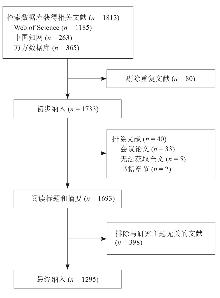
图1
文献筛选流程图"

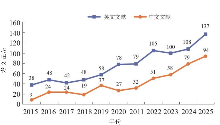
图2
年发文量"

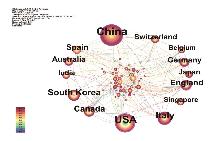
图3
英文文献国家共现图"
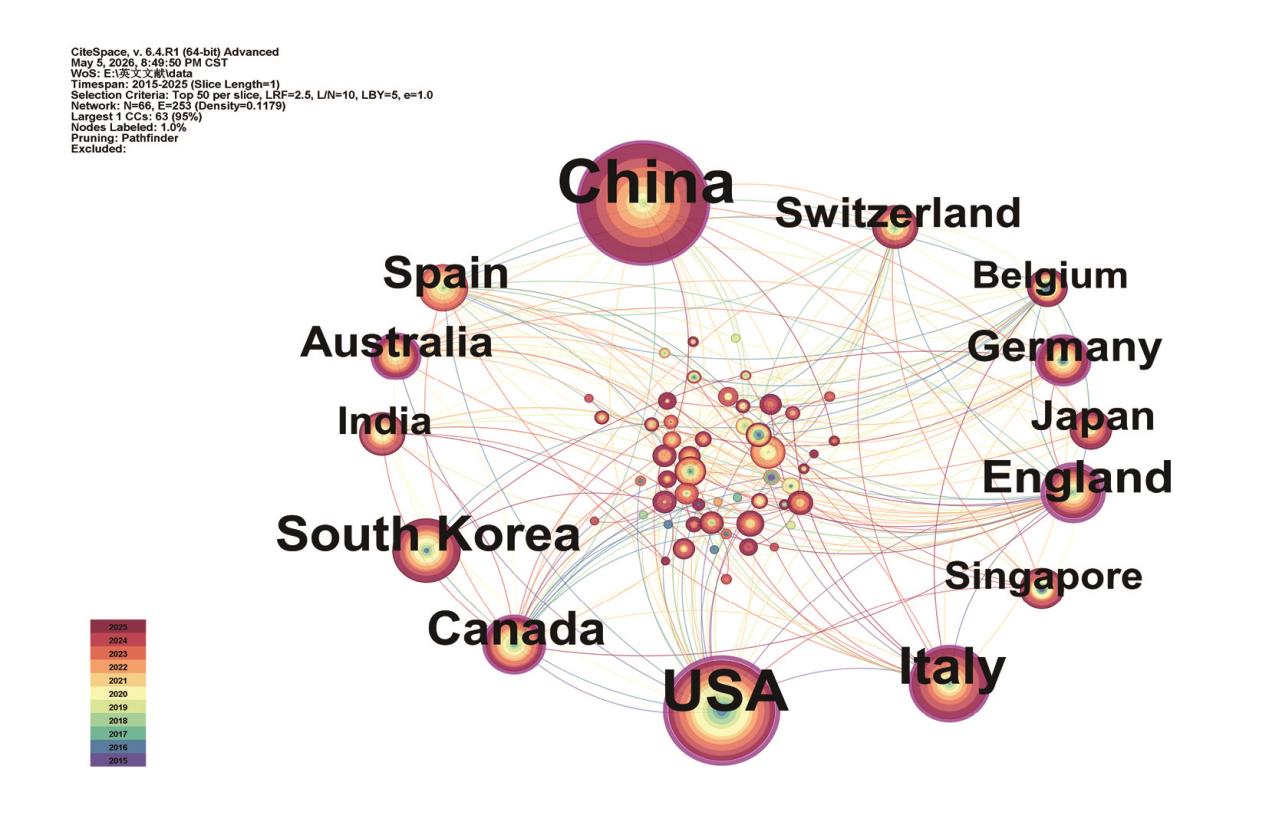

表1
英文文献发文量前5的国家"
| 国家 | 发文量/n | 中心性 |
|---|---|---|
| 中国 | 220 | 0.12 |
| 美国 | 158 | 0.43 |
| 意大利 | 85 | 0.13 |
| 韩国 | 67 | 0.00 |
| 加拿大 | 55 | 0.20 |

图4
中文文献研究机构共现图谱"
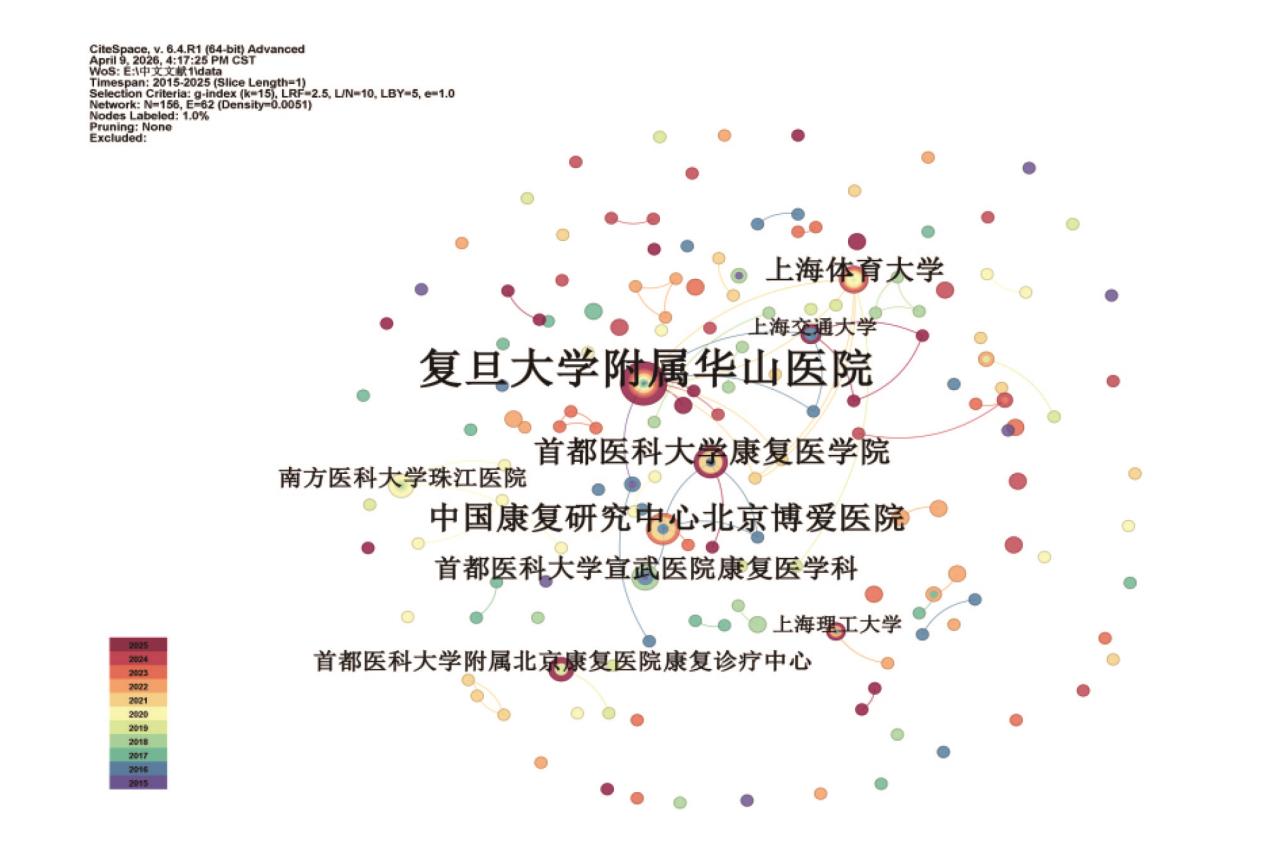
图5
英文文献研究机构共现图谱"

表2
中、英文文献发文量前5的机构"
| 排名 | 中文文献 | 英文文献 | ||
|---|---|---|---|---|
| 机构 | 发文量/n | 机构 | 发文量/n | |
| 1 | 复旦大学附属华山医院 | 19 | ETH Zurich | |
| 2 | 中国康复研究中心北京博爱医院 | 8 | Hong Kong Polytechnic University | |
| 3 | 上海体育大学 | 7 | University of Wisconsin System | |
| 4 | 首都医科大学康复医学院 | 6 | McGill University | |
| 5 | 首都医科大学宣武医院康复医学科 | 5 | IRCCS Santa Lucia | |
图6
中文文献作者共现图谱"
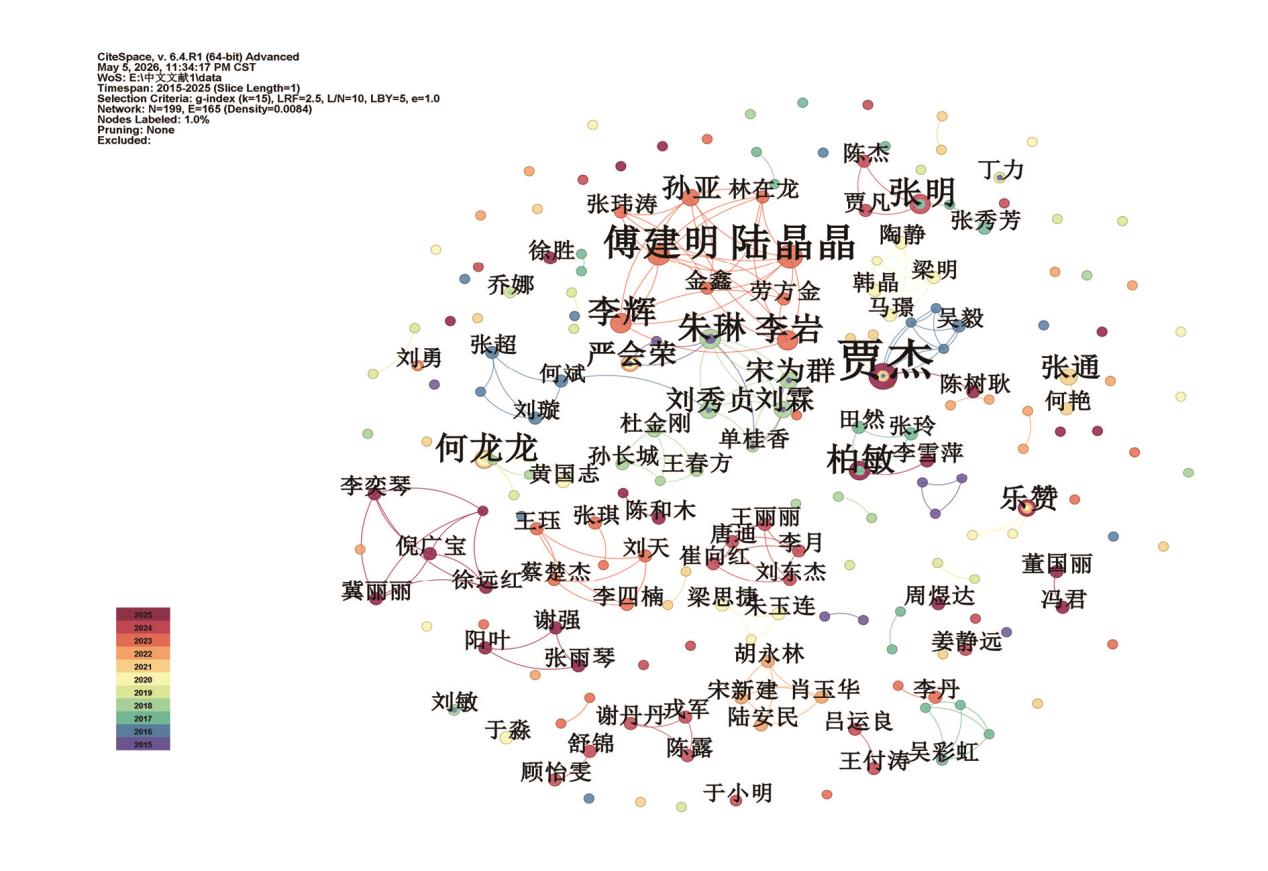
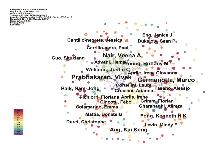
图7
英文文献作者共现图谱"

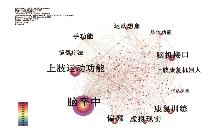
图8
中文文献关键词共现图谱"

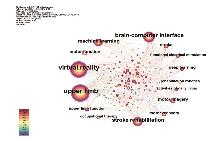
图9
英文文献关键词共现图谱"

表3
出现频次前10位的中、英文关键词"
| 排名 | 中文文献 | 英文文献 | ||
|---|---|---|---|---|
| 关键词 | 频次 | 关键词 | 频次 | |
| 1 | 脑卒中 | 365 | upper limb | |
| 2 | 上肢运动功能 | 156 | virtual reality | |
| 3 | 偏瘫 | 78 | brain-computer interface | |
| 4 | 康复训练 | 74 | stroke rehabilitation | |
| 5 | 脑机接口 | 60 | machine learning | |
| 6 | 虚拟现实 | 58 | motor function | |
| 7 | 手功能 | 30 | motor imagery | |
| 8 | 运动想象 | 26 | motor recovery | |
| 9 | 上肢康复机器人 | 23 | stroke | |
| 10 | 镜像疗法 | 19 | deep learning | |
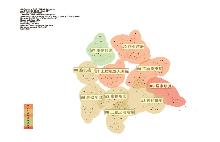
图10
中文关键词聚类图"
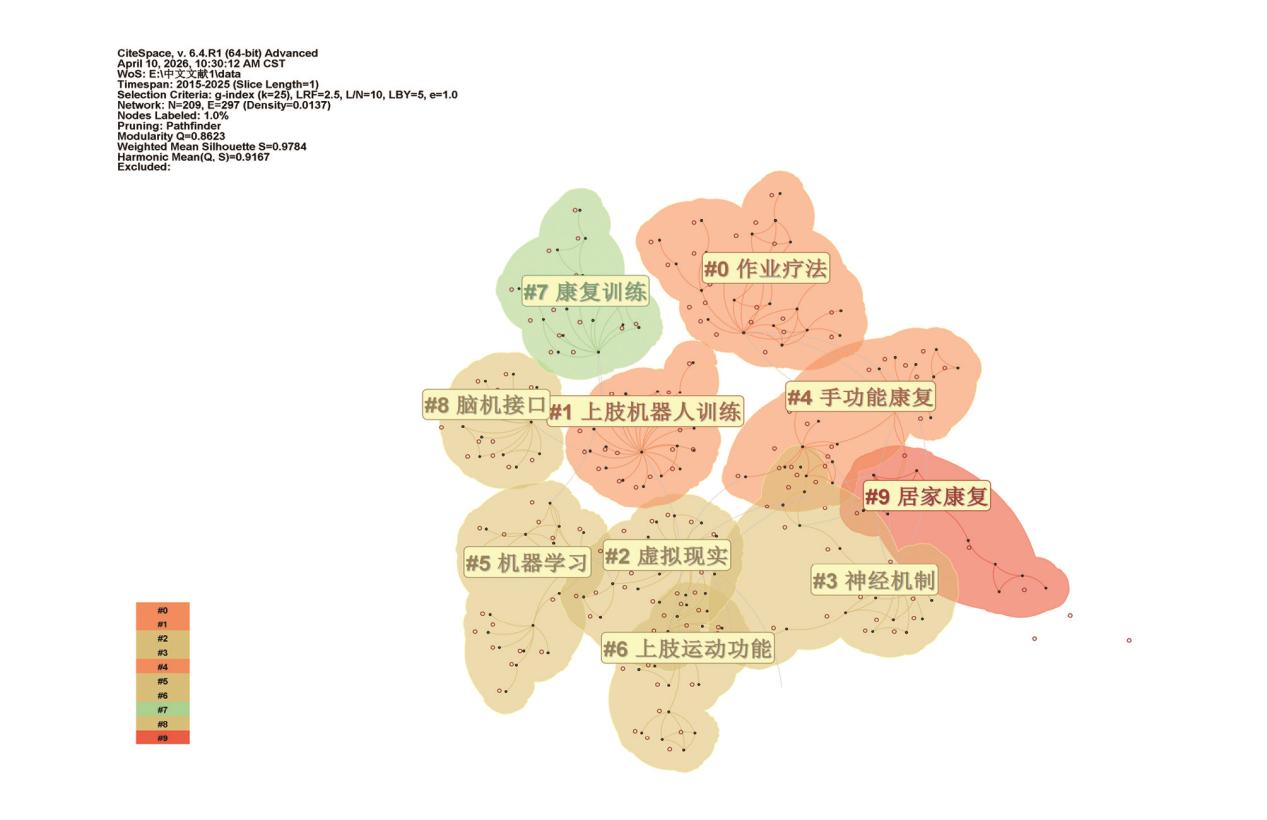
图11
英文关键词聚类图"
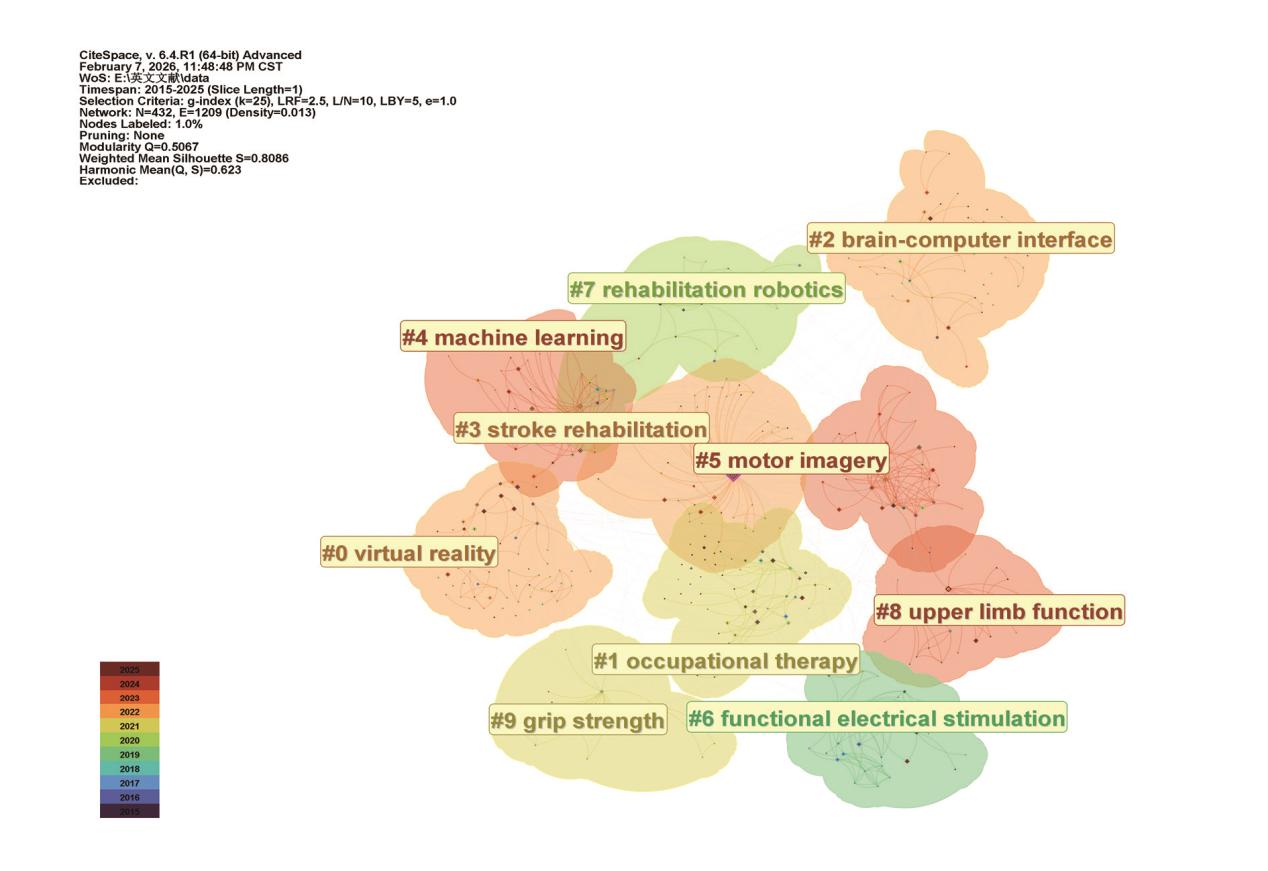
图12
中文文献关键词突现图"

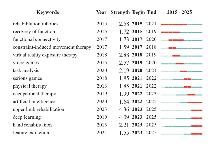
图13
英文文献关键词突现图"

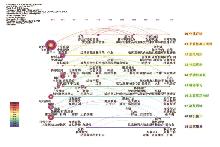
图14
中文文献关键词时间线图谱"
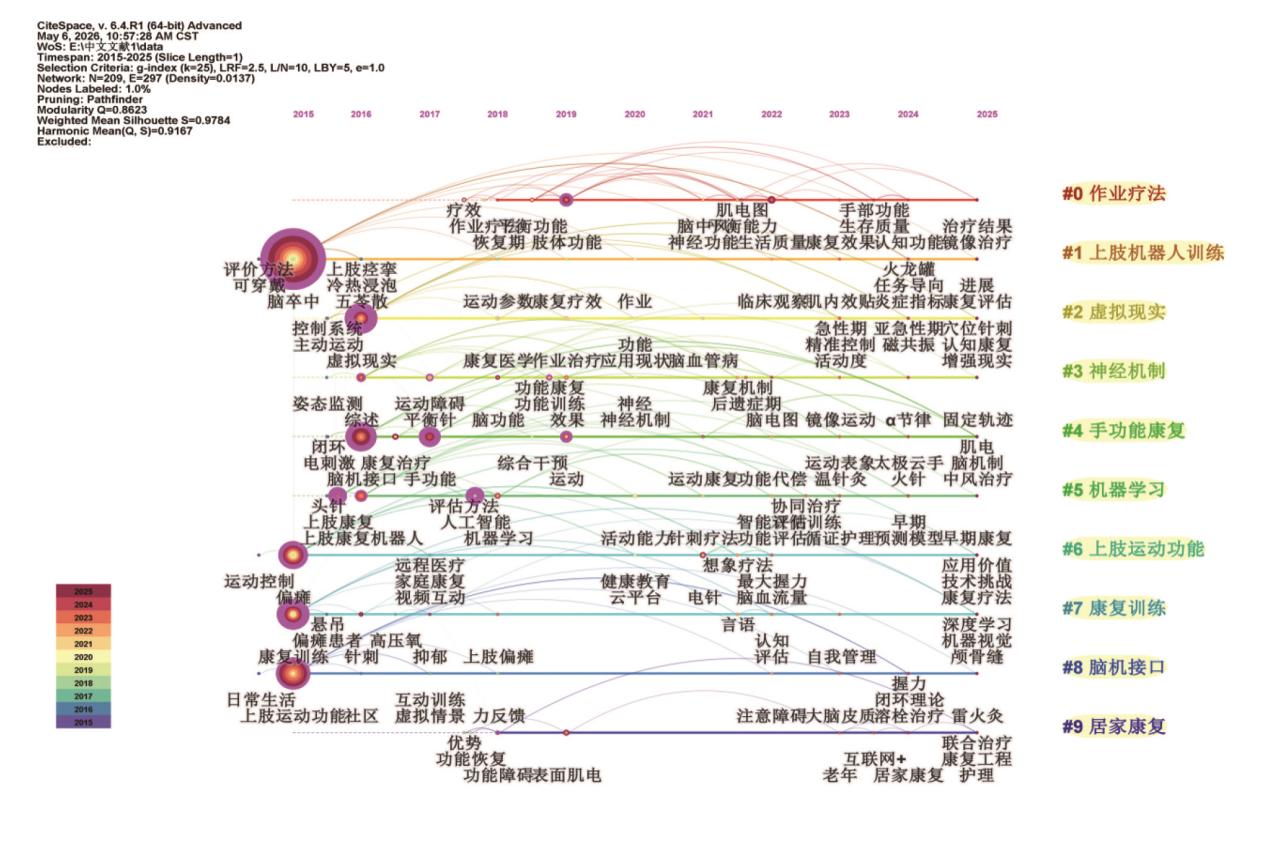
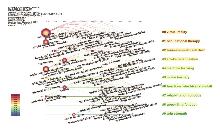
图15
英文文献关键词时间线图谱"

图16
期刊共被引共现图谱"
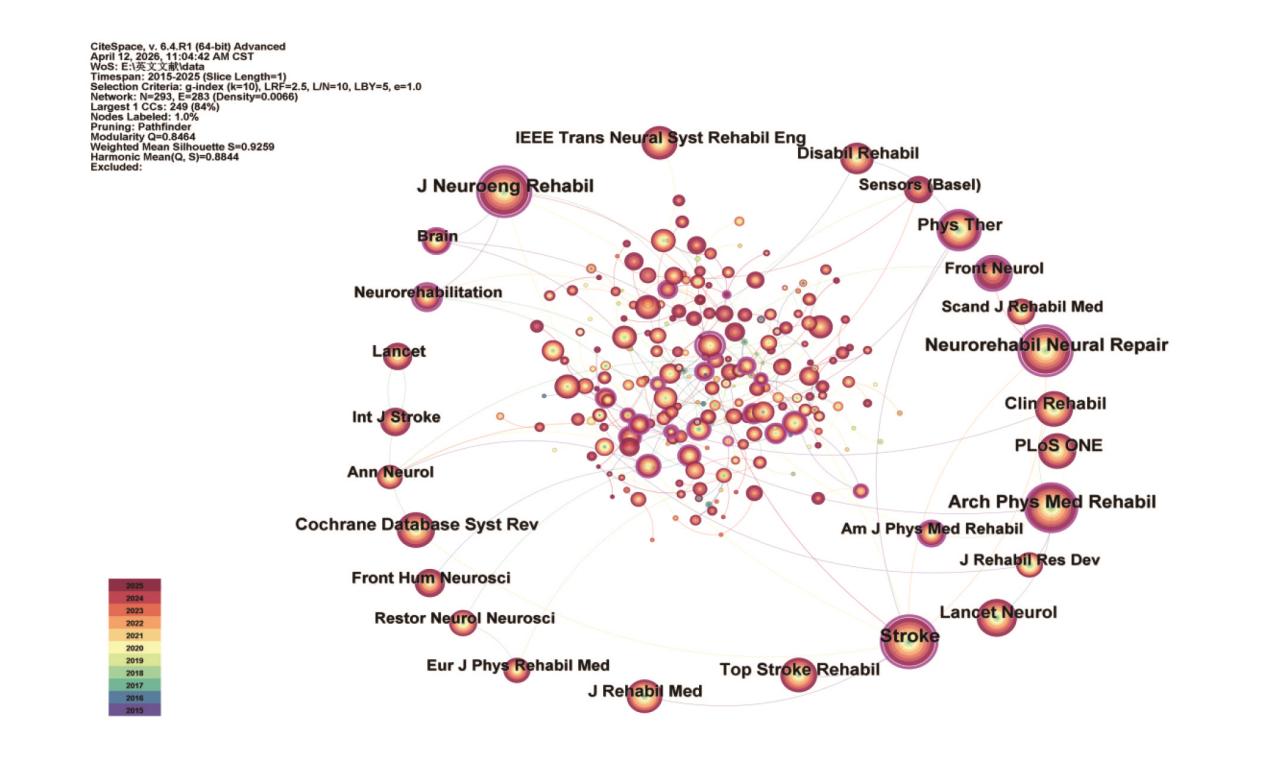
表4
被引频次前5的期刊"
| 排名 | 期刊 | 被引频次 | 中心性 |
|---|---|---|---|
| 1 | Stroke | 676 | 0.70 |
| 2 | Neurorehabilitation and Neural Repair | 659 | 0.71 |
| 3 | Journal of NeuroEngineering and Rehabilitation | 639 | 0.62 |
| 4 | Archives of Physical Medicine and Rehabilitation | 630 | 0.28 |
| 5 | Physical Therapy | 413 | 0.34 |
| [1] | «中国卒中中心报告2022»编写组. «中国卒中中心报告2022»概要[J]. 中国脑血管病杂志, 2024, 21(8): 565-576. |
| Report on Stroke Center in China Writing Group. Brief report on stroke center in China, 2022[J]. Chin J Cerebrovasc Dis, 2024, 21(8): 565-576. | |
| [2] | 翟屹, 杨帆, 李天琪, 等. 中国卒中疾病负担与经济负担的整合分析[J]. 中国卒中杂志, 2025, 20(5): 566-580. |
|
ZHAI Y, YANG F, LI T Q, et al. An integrated analysis of disease burden and economic burden of stroke in China[J]. Chin J Stroke, 2025, 20(5): 566-580.
doi: 10.3969/j.issn.1673-5765.2025.05.005 |
|
| [3] |
FEIGIN V L, STARK B A, JOHNSON C O. Global, regional, and national burden of stroke and its risk factors, 1990-2019: a systematic analysis for the Global Burden of Disease Study 2019[J]. Lancet Neurol, 2021, 20(10): 795-820.
doi: 10.1016/S1474-4422(21)00252-0 pmid: 34487721 |
| [4] |
RODRÍGUEZ-GARCÍA M E, CARINO-ESCOBAR R, CARRILLO-MORA P, et al. Neuroplasticity changes in cortical activity, grey matter, and white matter of stroke patients after upper extremity motor rehabilitation via a brain-computer interface therapy program[J]. J Neural Eng, 2025, 22(2): 026025.
doi: 10.1088/1741-2552/adbebf |
| [5] |
SCHWARZ A, KANZLER C M, LAMBERCY O, et al. Systematic review on kinematic assessments of upper limb movements after stroke[J]. Stroke, 2019, 50(3): 718-727.
doi: 10.1161/STROKEAHA.118.023531 pmid: 30776997 |
| [6] |
STINEAR C M, LANG C E, ZEILER S, et al. Advances and challenges in stroke rehabilitation[J]. Lancet Neurol, 2020, 19(4): 348-360.
doi: S1474-4422(19)30415-6 pmid: 32004440 |
| [7] | 吴玉龙, 孙慧, 安军明, 等. 近5年脑卒中后上肢功能障碍中西医康复研究进展[J]. 辽宁中医药大学学报, 2021, 23(7): 148-151. |
| WU Y L, SUN H, AN J M, et al. Research progress of rehabilitation of Chinese and western medicine on upper limb dysfunction after stroke in recent 5 years[J]. Liaoning J Tradit Chin Med, 2021, 23(7): 148-151. | |
| [8] |
MARIANO B. Towards a global strategy on digital health[J]. Bull World Health Organ, 2020, 98(4): 231.
doi: 10.2471/BLT.20.253955 |
| [9] |
KHEIROLLAHZADEH M, SARVGHADI P, HANI J B, et al. Digital health technologies to support at-home recovery of people with stroke: a scoping review[J]. Appl Sci, 2025, 15(10): 5335.
doi: 10.3390/app15105335 |
| [10] |
GEBREHEAT G, GOMAN A, PORTER-ARMSTRONG A. The use of home-based digital technology to support post-stroke upper limb rehabilitation: a scoping review[J]. Clin Rehabil, 2024, 38(1): 60-71.
doi: 10.1177/02692155231189257 |
| [11] |
CHEN C, SONG M. Visualizing a field of research: a methodology of systematic scientometric reviews[J]. PLoS One, 2019, 14(10): e0223994.
doi: 10.1371/journal.pone.0223994 |
| [12] | 陈悦, 陈超美, 刘则渊, 等. CiteSpace知识图谱的方法论功能[J]. 科学学研究, 2015, 33(2): 242-253. |
| CHEN Y, CHEN C M, LIU Z Y, et al. The methodology function of CiteSpace mapping knowledge domains[J]. Stud Sci Sci, 2015, 33(2): 242-253. | |
| [13] |
蒋逸, 梁康, 楚家豪, 等. 2021年至2025年脑机接口技术在脑卒中康复领域应用的文献计量分析[J]. 中国康复理论与实践, 2025, 31(11): 1279-1289.
doi: 10.3969/j.issn.1006-9771.2025.11.005 |
| JIANG Y, LIANG K, CHU J H, et al. Application of brain-computer interface technology in stroke rehabilitation from 2021 to 2025: a bibliometric analysis[J]. Chin J Rehabil Theory Pract, 2025, 31(11): 1279-1289. | |
| [14] | 薛鹏, 白安颖, 江宇, 等. WHO数字健康全球战略及对中国的启示[J]. 中华预防医学杂志, 2022, 56(2): 218-221. |
| XUE P, BAI A Y, JIANG Y, et al. WHO global strategy on digital health and its implications to China[J]. Chin J Prev Med, 2022, 56(2): 218-221. | |
| [15] |
TENFORDE A S, BORGSTROM H, POLICH G, et al. Outpatient physical, occupational, and speech therapy synchronous telemedicine: a survey study of patient satisfaction with virtual visits during the COVID-19 pandemic[J]. Am J Phys Med Rehabil, 2020, 99(11): 977-981.
doi: 10.1097/PHM.0000000000001571 |
| [16] |
YUN S J, KIM J H, LEE J H, et al. Reliability and validity of virtual reality box & block test in healthy adults and patients with stroke: a prospective, multi-center, exploratory, cross-sectional study[J]. J Neuroeng Rehabil, 2025, 22(1): 241.
doi: 10.1186/s12984-025-01779-6 |
| [17] |
PAWASSAR C M, TIBERIUS V. Virtual reality in health care: bibliometric analysis[J]. JMIR Serious Games, 2021, 9(4): e32721.
doi: 10.2196/32721 |
| [18] |
SHIN S, HWANG G, KIM Y, et al. Role of fully-immersive virtual reality for paretic arm recovery in stroke rehabilitation[J]. Front Neurol, 2025, 16: 1653749.
doi: 10.3389/fneur.2025.1653749 |
| [19] |
GAO C, CHEN Y, WEI Y, et al. Combined immersive and nonimmersive virtual reality with mirror therapy for patients with stroke: systematic review and meta-analysis of randomized controlled trials[J]. J Med Internet Res, 2025, 27: e73142.
doi: 10.2196/73142 |
| [20] |
MUNOZ-NOVOA M, KRISTOFFERSEN M B, SUNNERHAGEN K S, et al. Myoelectric pattern recognition with virtual reality and serious gaming improves upper limb function in chronic stroke: a single case experimental design study[J]. J Neuroeng Rehabil, 2025, 22(1): 6.
doi: 10.1186/s12984-025-01541-y |
| [21] | 王颖俏, 张亚敏, 李维苹, 等. 机器人联合虚拟现实对脑卒中病人运动功能和日常生活活动能力影响的Meta分析[J]. 循证护理, 2024, 10(2): 239-245. |
| WANG Y Q, ZHANG Y M, LI W P, et al. Effect of robot combined virtual reality on motor function and daily living ability of stroke patients: a meta-analysis[J]. Chin Evid Based Nurs, 2024, 10(2): 239-245. | |
| [22] | ABDULLAHI A, WONG T W L, NG S S M. Effects of combining transcranial direct current stimulation with virtual reality on upper limb function in patients with stroke: a systematic review and meta-analysis[J]. Bioengineering (Basel), 2025, 12(11): 1205. |
| [23] | TONIN A, SEMPRINI M, KIPER P, et al. Brain-computer interfaces for stroke motor rehabilitation[J]. Bioengineering (Basel), 2025, 12(8): 820. |
| [24] |
CERVERA M A, SOEKADAR S R, USHIBA J, et al. Brain-computer interfaces for post-stroke motor rehabilitation: a meta-analysis[J]. Ann Clin Transl Neurol, 2018, 5(5): 651-663.
doi: 10.1002/acn3.2018.5.issue-5 |
| [25] | 韩诗雨, 解益, 董安琴. 基于脑机接口的功能性电刺激改善卒中后患者上肢功能的Meta分析[J]. 中国康复医学杂志, 2024, 39(12): 1862-1869. |
| HAN S Y, XIE Y, DONG A Q. Meta-analysis of functional electrical stimulation via brain-computer interface for improving upper limb function in post-stroke patients[J]. Chin J Rehabil Med, 2024, 39(12): 1862-1869. | |
| [26] |
唐千乇, 张通. 脑机接口控制的功能性电刺激对脑卒中患者上肢功能障碍的康复效果[J]. 中国康复理论与实践, 2021, 27(7): 802-806.
doi: 10.3969/j.issn.1006-9771.2021.07.011 |
| TANG Q T, ZHANG T. Effects of functional electrical stimulation controlled by brain-computer interface on upper limb dysfunction in stroke patients[J]. Chin J Rehabil Theory Pract, 2021, 27(7): 802-806. | |
| [27] |
JI X, LU X, XU Y, et al. Effects and neural mechanisms of a brain-computer interface-controlled soft robotic glove on upper limb function in patients with subacute stroke: a randomized controlled fNIRS study[J]. J Neuroeng Rehabil, 2025, 22(1): 171.
doi: 10.1186/s12984-025-01704-x pmid: 40707971 |
| [28] |
KEELING A B, PIITZ M, SEMRAU J A, et al. Robot enhanced stroke therapy optimizes rehabilitation (RESTORE): a pilot study[J]. J Neuroeng Rehabil, 2021, 18(1): 10.
doi: 10.1186/s12984-021-00804-8 pmid: 33478563 |
| [29] |
VEERBEEK J M, LANGBROEK-AMERSFOORT A C, VAN WEGEN E E, et al. Effects of robot-assisted therapy for the upper limb after stroke[J]. Neurorehabil Neural Repair, 2017, 31(2): 107-121.
doi: 10.1177/1545968316666957 pmid: 27597165 |
| [30] |
CASTELLI L, GIANNUZZI D, LORETI C, et al. The impact of robotic hand rehabilitation on hand function and fatigue in patients with stroke (RoHa-S)[J]. J Clin Neurosci, 2025, 139: 111445.
doi: 10.1016/j.jocn.2025.111445 |
| [31] |
BOARDSWORTH K, RASHID U, OLSEN S, et al. Upper limb robotic rehabilitation following stroke: a systematic review and meta-analysis investigating efficacy and the influence of device features and program parameters[J]. J Neuroeng Rehabil, 2025, 22(1): 164.
doi: 10.1186/s12984-025-01662-4 pmid: 40671078 |
| [32] |
RODGERS H, BOSOMWORTH H, KREBS H I, et al. Robot assisted training for the upper limb after stroke (RATULS): a multicentre randomised controlled trial[J]. Lancet, 2019, 394(10192): 51-62.
doi: S0140-6736(19)31055-4 pmid: 31128926 |
| [33] |
YANG Y M, PARK J H. Effects of upper limb robot therapy with action observation training on subacute stroke patients: a randomised controlled trial[J]. J Mot Behav, 2025, 57(4): 358-376.
doi: 10.1080/00222895.2025.2497376 |
| [34] |
BIASIUCCI A, LEEB R, ITURRATE I, et al. Brain-actuated functional electrical stimulation elicits lasting arm motor recovery after stroke[J]. Nat Commun, 2018, 9(1): 2421.
doi: 10.1038/s41467-018-04673-z pmid: 29925890 |
| [35] |
SEHLE A, STUERNER J, HASSA T, et al. Behavioral and neurophysiological effects of an intensified robot-assisted therapy in subacute stroke: a case control study[J]. J Neuroeng Rehabil, 2021, 18(1): 6.
doi: 10.1186/s12984-020-00792-1 pmid: 33430912 |
| [36] |
MAURO M C, FASANO A, GERMANOTTA M, et al. Aperiodic brain activity changes in patients with stroke following virtual reality-based upper limb robotic rehabilitation: a pilot randomized controlled trial[J]. Front Hum Neurosci, 2025, 19: 1671804.
doi: 10.3389/fnhum.2025.1671804 |
| [37] |
ANASTASIEV A, KADONE H, MARUSHIMA A, et al. A novel bilateral data fusion approach for EMG-driven deep learning in post-stroke paretic gesture recognition[J]. Sensors (Basel), 2025, 25(12): 3664.
doi: 10.3390/s25123664 |
| [38] | 李贤, 马秀芝. 机器学习预测脑卒中病人日常生活活动能力的研究进展[J]. 护理研究, 2024, 38(8): 1407-1412. |
| LI X, MA X Z. Research progress of machine learning in predicting activities of daily living in stroke patients[J]. Chin Nurs Res, 2024, 38(8): 1407-1412. | |
| [39] |
VAN DER GUN G J, MESKERS C G M, ANDRINOPOULOU E R, et al. Can machine learning improve on the early prediction of upper limb recovery after stroke?[J]. J Neuroeng Rehabil, 2025, 22(1): 223.
doi: 10.1186/s12984-025-01743-4 pmid: 41146217 |
| [40] |
GAO Y, XU G, PENG J, et al. Assessment of functional decline in stroke patients using 3D deep learning and dynamic functional connectivity based on resting-state fMRI[J]. Front Neurol, 2025, 16: 1666991.
doi: 10.3389/fneur.2025.1666991 |
| [41] |
张琦, 孙文玉, 高振梅, 等. 非侵入性脑刺激在阿尔茨海默病中应用的文献计量分析[J]. 中国康复理论与实践, 2025, 31(2): 194-208.
doi: 10.3969/j.issn.1006-9771.2025.02.009 |
| ZHANG Q, SUN W Y, GAO Z M, et al. Application of non-invasive brain stimulation in Alzheimer's disease: a bibliometric analysis[J]. Chin J Rehabil Theory Pract, 2025, 31(2): 194-208. |
| [1] | 倪天皓, 毕思雨, 戴媛, 钱红, 王勇丽, 万勤, 黄昭鸣. 汉语普通话言语失用症评估诊断工具的编制与验证[J]. 《中国康复理论与实践》, 2026, 32(5): 550-560. |
| [2] | 安咏怡, 李雪梅, 常学优, 赵雅宁, 黄海玲, 杨亚东. 不同强度血流限制训练联合低强度抗阻训练对老年脑卒中衰弱患者运动功能的影响[J]. 《中国康复理论与实践》, 2026, 32(5): 561-570. |
| [3] | 陈竹, 翟丽茹, 曹存霞, 彭晓华, 黄桃. 基于电阻抗断层成像技术评估膈神经-腹肌电刺激对脑卒中患者肺通气分布的效果[J]. 《中国康复理论与实践》, 2026, 32(5): 571-576. |
| [4] | 李欣源, 郑洁皎, 吴雪娇, 段林茹, 高羽飞. 小脑间歇性θ脉冲刺激对脑卒中患者姿势控制和跌倒风险的效果[J]. 《中国康复理论与实践》, 2026, 32(5): 577-587. |
| [5] | 谷玉红, 段锦绣, 薛明阳, 杨婕, 吴瑕, 刘华, 高宇芳, 张蒙惠, 叶财德. “医社协同”模式对社区脑卒中患者心理和运动功能的效果[J]. 《中国康复理论与实践》, 2026, 32(5): 597-603. |
| [6] | 齐圆圆, 高海峰, 刘丽娜, 谢宇杰, 徐静, 高峰, 陈亮, 杨德刚, 李军. 1999年至2025年脊髓电刺激治疗脊髓损伤研究的文献计量分析[J]. 《中国康复理论与实践》, 2026, 32(4): 373-386. |
| [7] | 黄成, 沈扬艺, 卢碧莹, 刘通, 刘悦. 2016年至2025年动作观察疗法在脑卒中康复领域应用的文献计量分析[J]. 《中国康复理论与实践》, 2026, 32(4): 399-410. |
| [8] | 桂舜, 张见飞, 黄慧芝. 可解释的机器学习模型对脑卒中患者神经功能康复结局的预测效能[J]. 《中国康复理论与实践》, 2026, 32(4): 463-472. |
| [9] | 朱丽丽, 赵嘉欣, 程雪, 王会娟, 陈小霞. 康复期脑卒中患者疾病体验及需求的Meta整合[J]. 《中国康复理论与实践》, 2026, 32(3): 286-293. |
| [10] | 刘平, 周楠, 薛晓杰, 邵伟波. 脑卒中后吞咽障碍康复治疗技术应用研究的文献计量分析[J]. 《中国康复理论与实践》, 2026, 32(3): 294-303. |
| [11] | 蒲心语, 王靖萱, 王虎军, 修安达, 王颖鹏. 重复外周磁刺激在康复治疗中应用的文献计量分析[J]. 《中国康复理论与实践》, 2026, 32(3): 304-316. |
| [12] | 孙奎, 黄海伦, 刘永皑, 高恒. 脑机接口技术在脊髓损伤治疗领域的文献计量分析[J]. 《中国康复理论与实践》, 2026, 32(3): 317-328. |
| [13] | 杨玲, 王庆雷, 王洁, 徐雯婕, 王彤, 郭川, 钱雪. 基于功能性近红外光谱成像的卒中后焦虑患者前额叶皮质激活特征及机制研究[J]. 《中国康复理论与实践》, 2026, 32(3): 329-336. |
| [14] | 何照楠, 张婷婷, 何照珂, 孟丽君. 基于BERTopic模型的我国康复伦理研究主题挖掘与内容分析[J]. 《中国康复理论与实践》, 2026, 32(2): 132-141. |
| [15] | 郭亚彬, 曾必云, 周阳. 2015年至2025年肌少症-疼痛共病研究的文献计量分析[J]. 《中国康复理论与实践》, 2026, 32(2): 151-161. |
| 阅读次数 | ||||||
|
全文 |
|
|||||
|
摘要 |
|
|||||
|
||
