



《中国康复理论与实践》 ›› 2026, Vol. 32 ›› Issue (5): 508-521.doi: 10.3969/j.issn.1006-9771.2026.05.002
程亚宁1a,2, 陈迪1a,2, 汤晨晨1b, 田益凡1a,2, 刘丽旭3, 张赢心1a,2, 王艺铮3, 黄亚玲4( )
收稿日期:2026-02-03
出版日期:2026-05-25
发布日期:2026-05-26
通讯作者:
黄亚玲,E-mail:bjhyl2008@163.com作者简介:程亚宁(1995-),女,汉族,山东烟台市人,硕士,研究实习员,主要研究方向:康复信息、体育科研和康复科学。基金资助:
CHENG Yaning1a,2, CHEN Di1a,2, TANG Chenchen1b, TIAN Yifan1a,2, LIU Lixu3, ZHANG Yingxin1a,2, WANG Yizheng3, HUANG Yaling4()
Received:2026-02-03
Published:2026-05-25
Online:2026-05-26
Contact:
HUANG Yaling, E-mail: bjhyl2008@163.comSupported by:摘要:
目的 基于世界卫生组织《健康服务体系中的康复》理论框架和行动者网络理论(ANT),构建体育活动融入康复服务的行动者网络体系。
方法 采用内容分析法,以健康服务体系的六要素为理论框架,提取文中与康复服务相关的行动者并归类,形成康复服务行动者池。依托四大体育活动场景,形成体育活动行动者池。最后,对两池行动者进行整合、去重和归类,形成最终的融合行动者列表,运用ANT,通过问题呈现、兴趣激发、征召和动员4个转译环节,分析体育活动融入康复服务的行动者网络的构建过程。
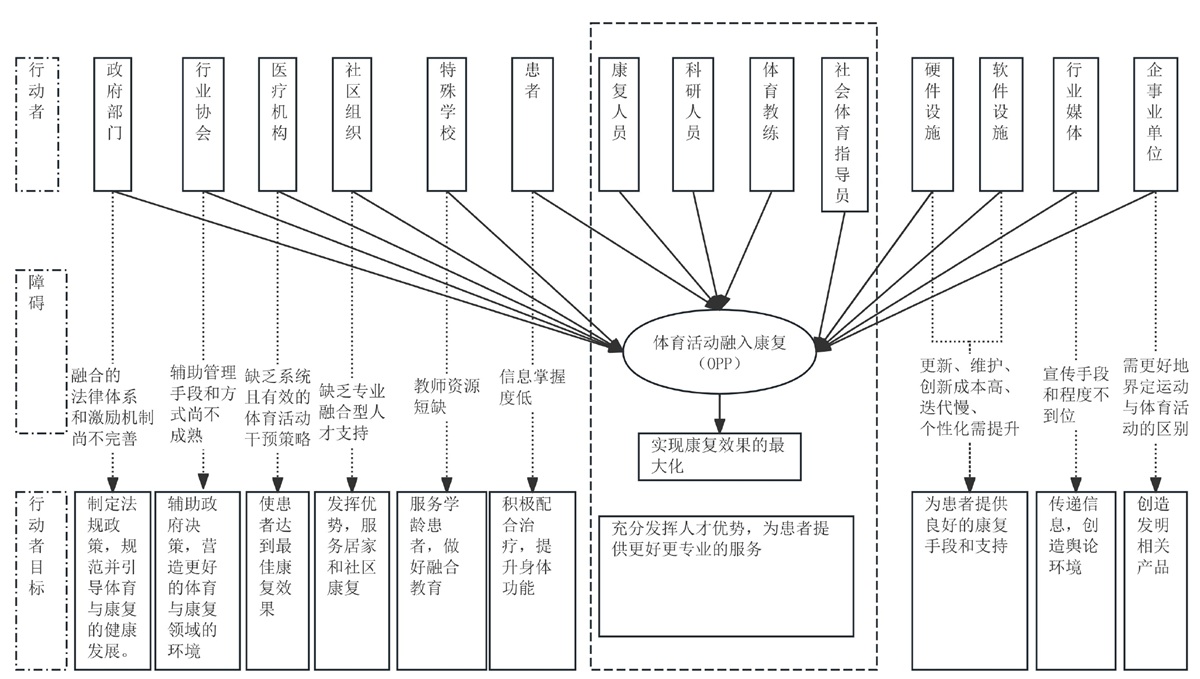
结果 构建了一个包含人类行动者(患者、康复人员、科研人员、体育教练员、政府部门、医疗机构、社区组织、行业媒体等)与非人类行动者(辅助器具、运动基础设施、智能设备、信息系统、在线运动指导系统、法律法规、战略文件、运动处方等)的体育活动融入康复服务的动态融合网络,明确以康复效果最大化作为强制通行的关键点,并阐述了政府部门作为核心行动者在协调各方时的关键作用。
结论 体育活动融入康复服务是一个多元行动者通过转译过程构建的动态网络。ANT可为我国康复政策的跨部门治理提供可操作的理论框架,促进康复领域的空间拓展,推动其向网络化、生态化系统转型。政府需发挥核心主导作用,通过机制设计促进体育和康复领域中的角色重构和异质行动者的协同,形成双向赋能机制,推动体育与康复领域的互构共进,以实现融合的可持续发展。
中图分类号:
程亚宁, 陈迪, 汤晨晨, 田益凡, 刘丽旭, 张赢心, 王艺铮, 黄亚玲. 基于《健康服务体系中的康复》构建体育活动融入康复服务的行动者网络体系[J]. 《中国康复理论与实践》, 2026, 32(5): 508-521.
CHENG Yaning, CHEN Di, TANG Chenchen, TIAN Yifan, LIU Lixu, ZHANG Yingxin, WANG Yizheng, HUANG Yaling. Constructing an actor-network theory for integrating sports activity into rehabilitation based on Rehabilitation in Health Service System[J]. Chinese Journal of Rehabilitation Theory and Practice, 2026, 32(5): 508-521.

表1
主要资料列举"
| 体育领域 | 康复领域 |
|---|---|
| 《中华人民共和国体育法》[ | 《健康服务体系中的康复》[ |
| 《全民健身计划(2021-2025)》[ | 《全球残疾人健康公平报告》[ |
| 《社会体育指导员(2020年版)——国家职业技能标准》[ | 《康复胜任力架构》[ |
| 《“健康中国2030”规划纲要》[ | 《“健康中国2030”规划纲要》[ |
| 《临床运动处方实践专家共识(2025)》[ | 《临床运动处方实践专家共识(2025)》[ |
| 学术文献研究成果等 | 学术文献研究成果等 |
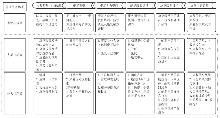
图1
康复服务行动者"
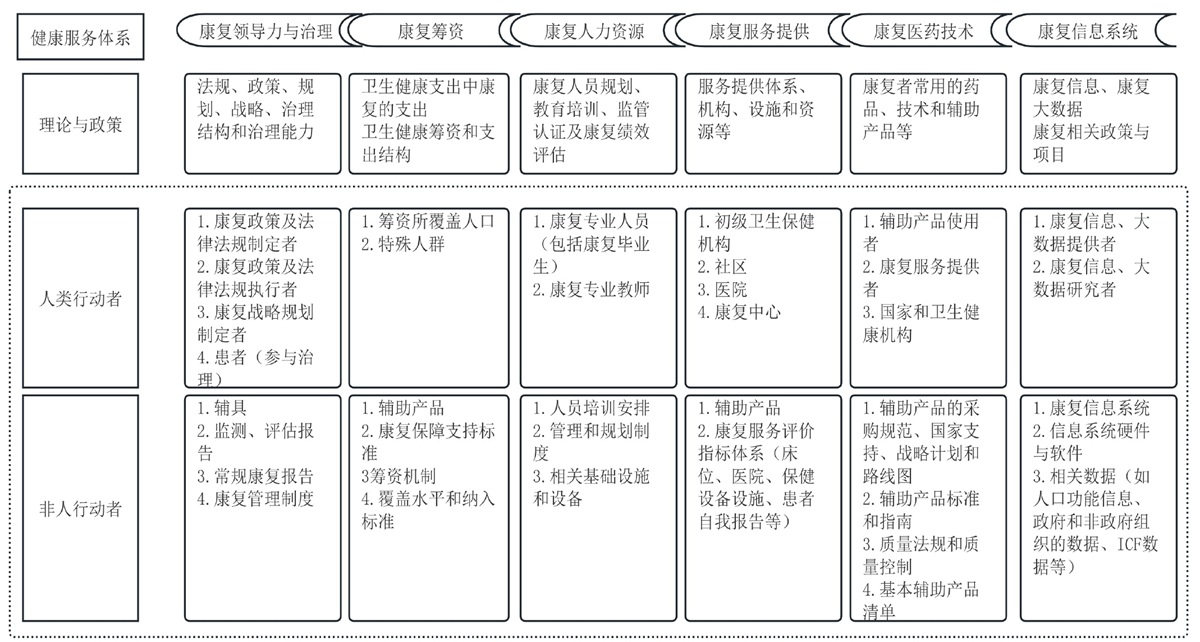
图2
社区体育活动行动者"
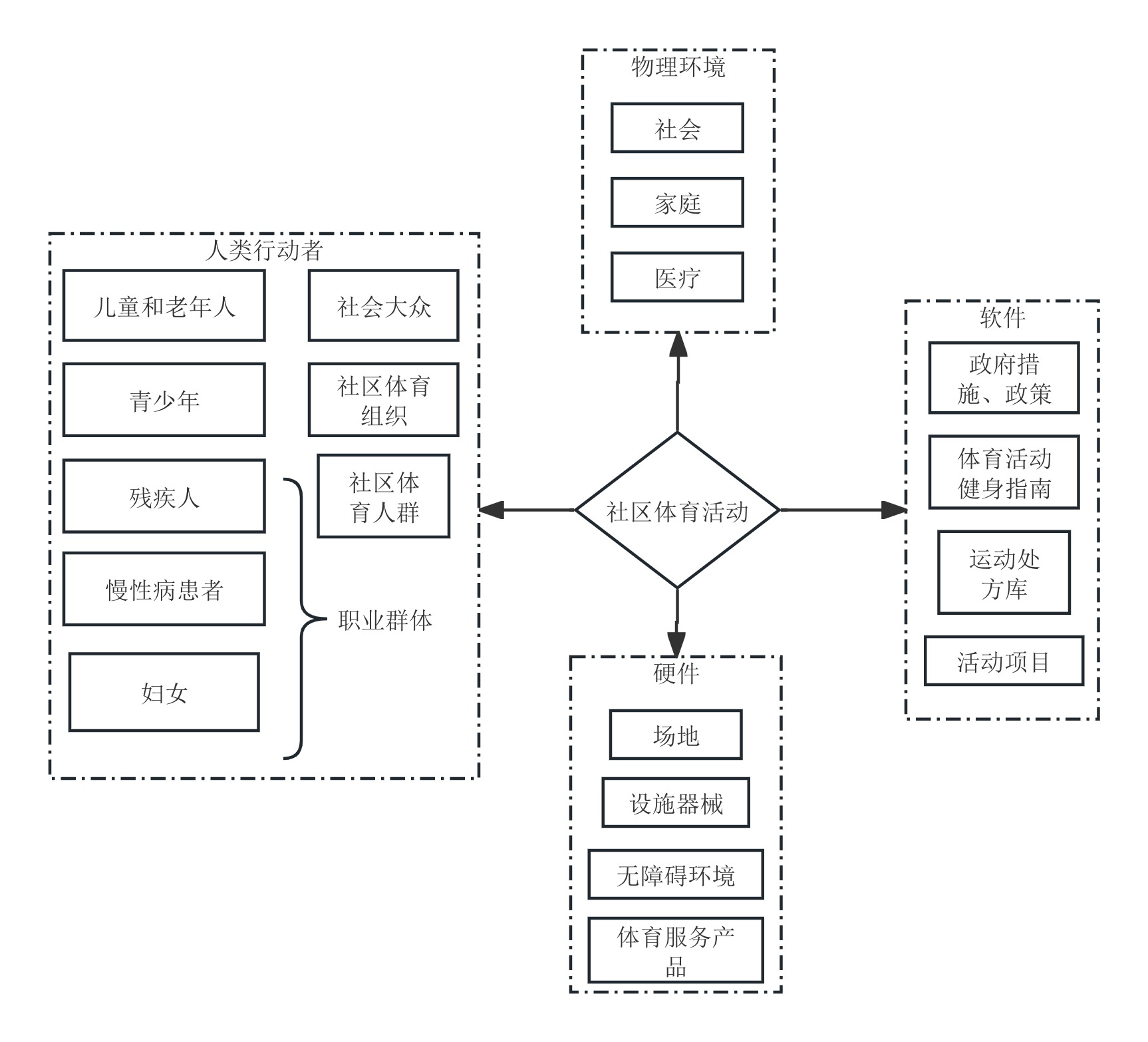
表2
学校体育活动的分类"
| 一级分类 | 二级分类 |
|---|---|
| 普通学校 | 城市普通学校 |
| 农村普通学校 | |
| 特殊学校 | 城市特殊学校 |
| 农村特殊学校 |
图3
学校体育活动行动者"
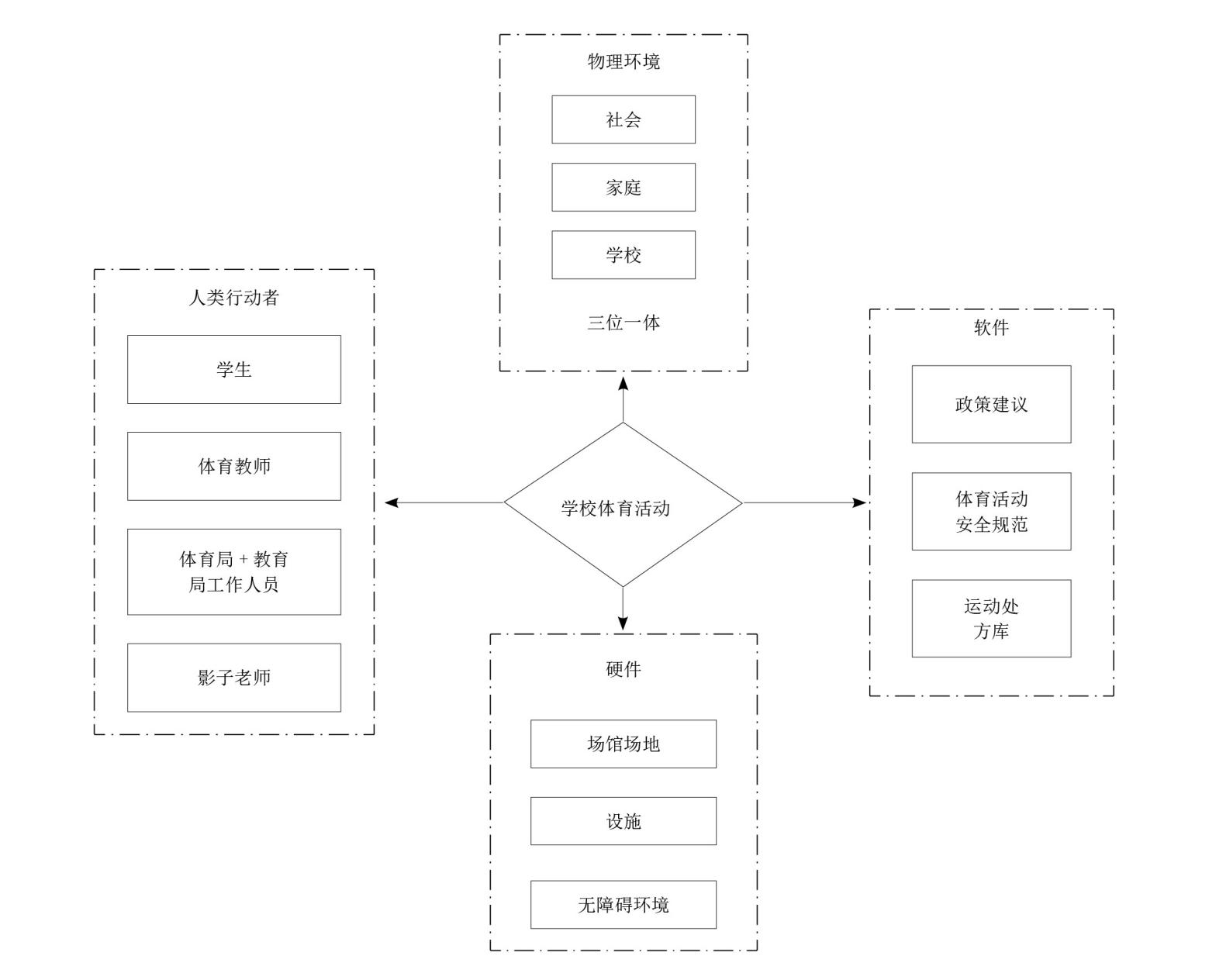
表3
家庭体育活动分类"
| 一级分类 | 二级分类 | 目的 |
|---|---|---|
| 普通家庭 | 活动参与者 | 提升身体素质、提高生活质量、接轨学校体育 |
| 正常环境 | ||
| 残疾人家庭 | 活动参与者 | 提升/恢复身体素质、提高生活质量、融入社会 |
| 无障碍环境 |
图4
家庭体育活动行动者"
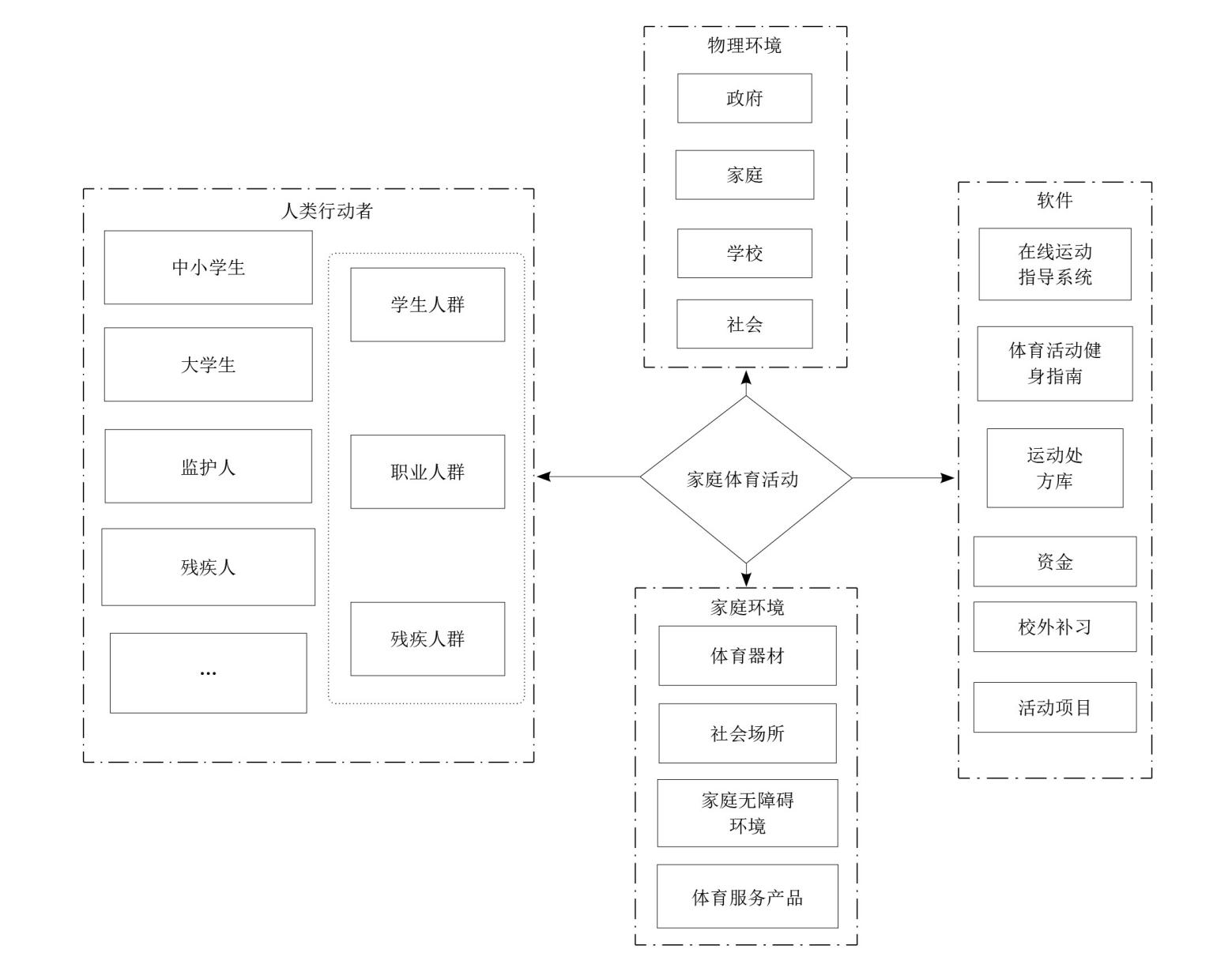
表4
医疗相关体育活动分类"
| 一级分类 | 二级分类 |
|---|---|
| 主动运动 | 医疗机构内 |
| 社会 | |
| 运动想象 | 医疗机构内 |
| 被动运动 | 医疗机构内 |
| 居家 |
图5
医疗相关体育活动行动者"
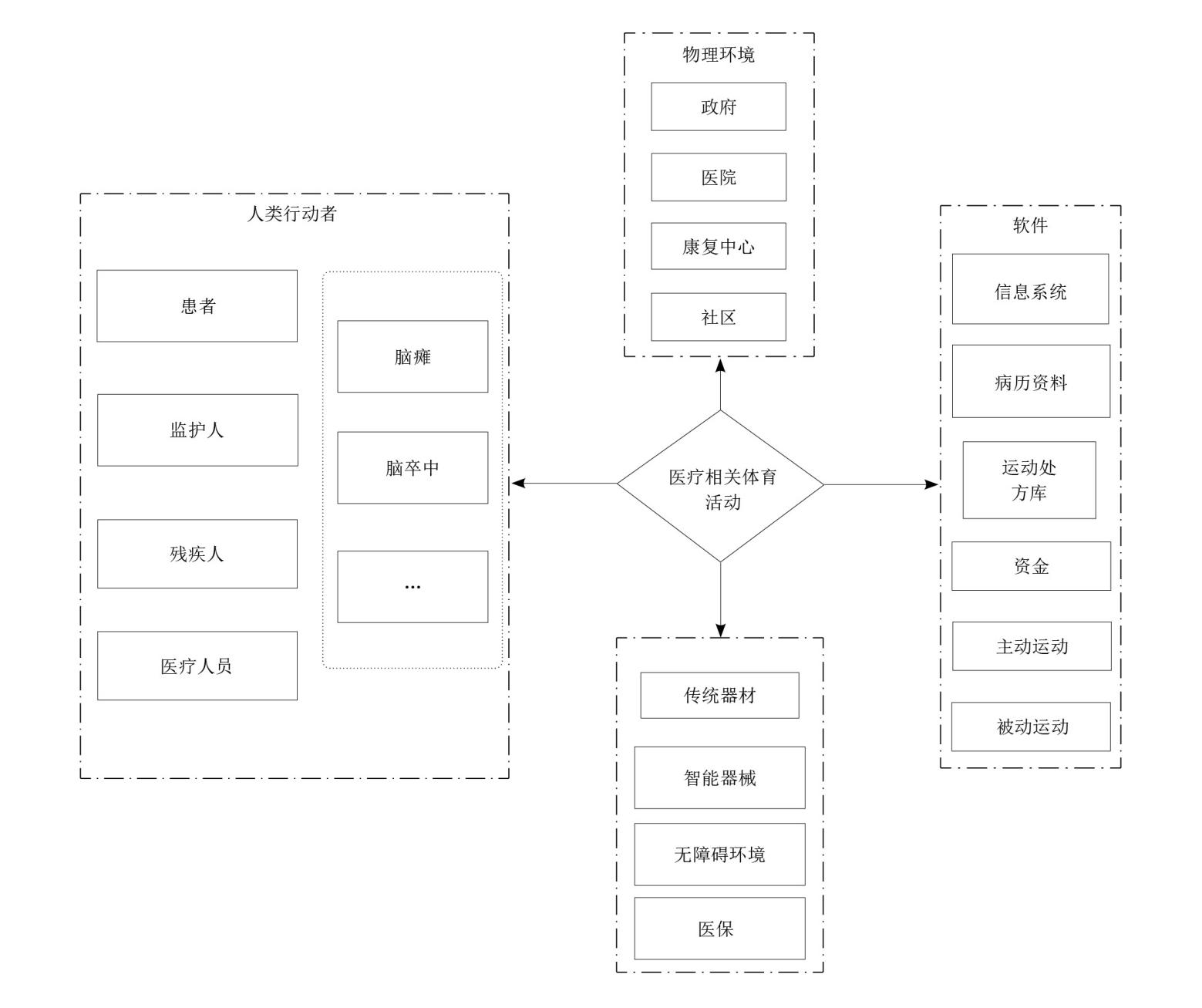
图6
康复服务和体育活动的融合行动者图"
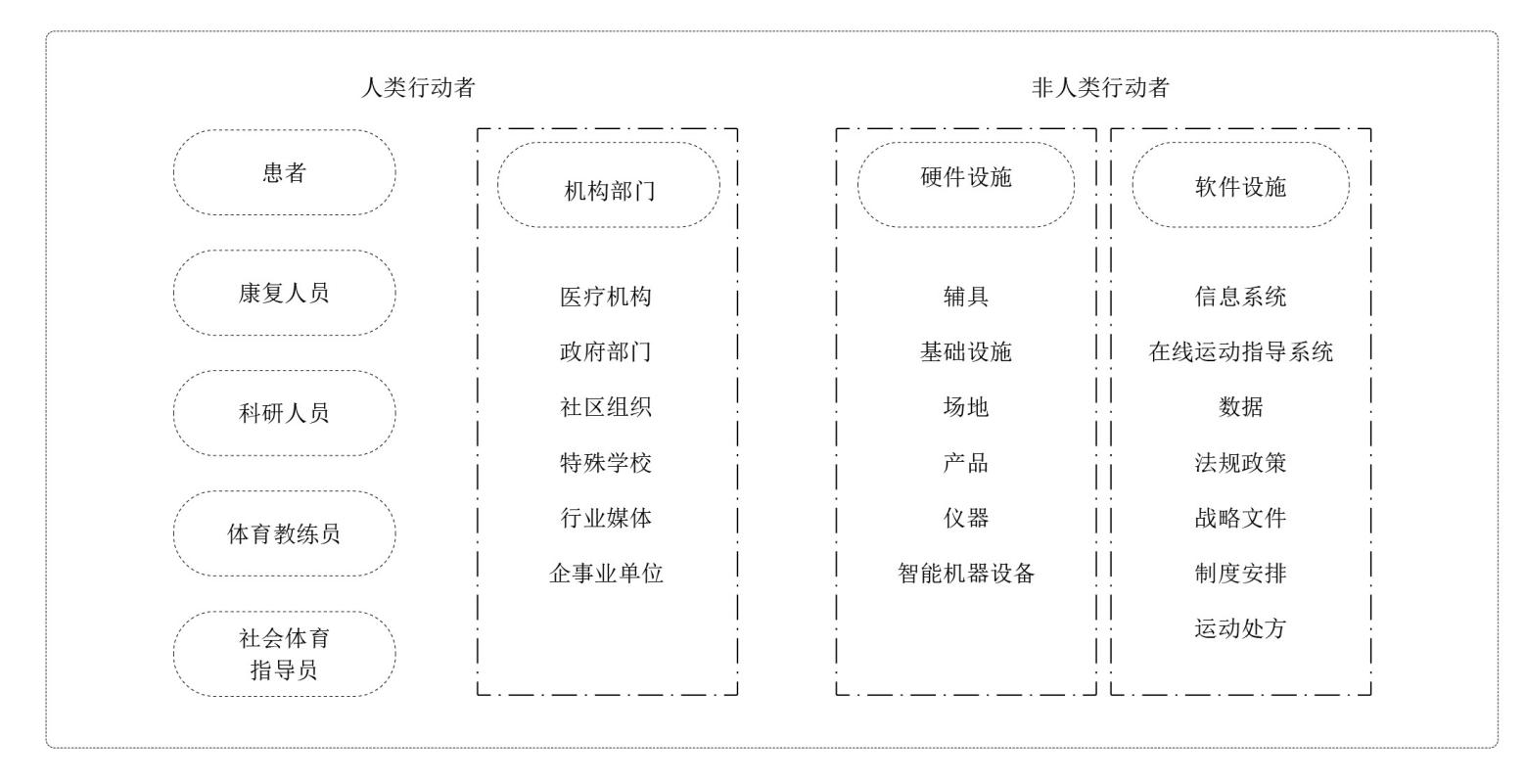
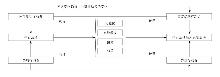
图7
ANT视角下的体育活动融入康复的理论框架"
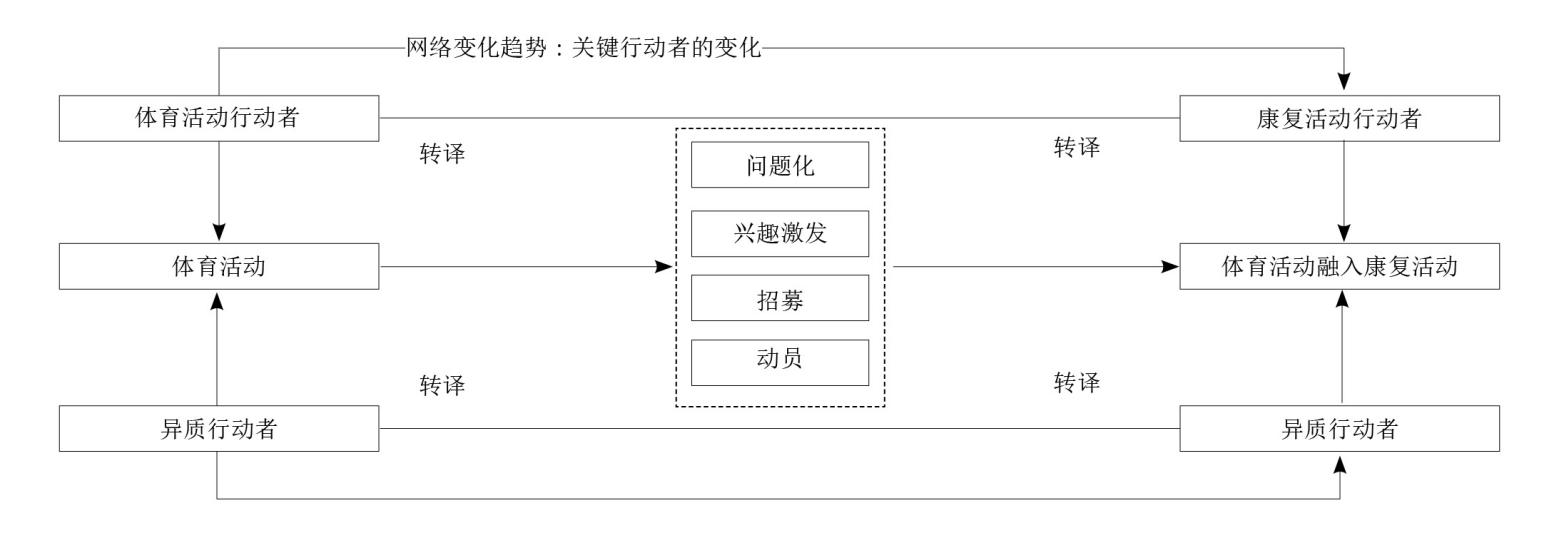
图8
OPP"
| [1] |
田益凡, 叶海燕, 刘叶, 等. ICF框架下的康复大数据标准研究[J]. 中国康复理论与实践, 2024, 30(11): 1262-1271.
doi: 10.3969/j.issn.1006-9771.2024.11.004 |
| TIAN Y F, YE H Y, LIU Y, et al. Rehabilitation big data standards under ICF framework[J]. Chin J Rehabil Theory Pract, 2024, 30(11): 1262-1271. | |
| [2] |
邱卓英, 郭键勋, 李伦, 等. 世界卫生组织康复指南«健康服务体系中的康复»:背景、理论架构与方法、主要内容和实施[J]. 中国康复理论与实践, 2020, 26(1): 16-20.
doi: 10.3969/j.issn.1006-9771.2020.01.003 |
| QIU Z Y, KWOK J K F, LI L, et al. WHO rehabilitation in health system: background, framework and approach, contents and implementation[J]. Chin J Rehabil Theory Pract, 2020, 26(1): 16-20. | |
| [3] |
杨桃, 王国祥, 邱卓英, 等. 基于ICF的社区体育活动服务架构与指导方法研究[J]. 中国康复理论与实践, 2019, 25(11): 1241-1247.
doi: 10.3969/j.issn.1006-9771.2019.11.001 |
| YANG T, WANG G X, QIU Z Y, et al. Framework and approach of service and guidance of community-based physical activities using ICF[J]. Chin J Rehabil Theory Pract, 2019, 25(11): 1241-1247. | |
| [4] | 连斌, 王杰宁, 吴勤峰, 等. 医康融合:内涵、特征及推动路径[J]. 中国康复医学杂志, 2023, 38(4): 534-538. |
| [5] |
杨剑, 石孝宇, 张园. 健康服务视域下体育康复养生本科专业建设:基于ICF和RCF[J]. 中国康复理论与实践, 2024, 30(12): 1391-1399.
doi: 10.3969/j.issn.1006-9771.2024.12.004 |
| YANG J, SHI X Y, ZHANG Y. Constructing undergraduate programs of exercise rehabilitation and health in the context of health services: an ICF and RCF approach[J]. Chin J Rehabil Theory Pract, 2024, 30(12): 1391-1399. | |
| [6] | 张伟国, 蒋亚斌, 卢文云. 体医融合协同创新的机制、困境与破局:基于行动者网络理论的分析[J]. 上海体育大学学报, 2024(8): 48-60. |
| ZHANG W G, JIANG Y B, LU W Y. Mechanism, dilemma and breakthrough of collaborative innovation in sports-medicine integration: analysis based on actor-network theory[J]. J Shanghai Univ Sport, 2024(8): 48-60. | |
| [7] |
邱服冰, 邱卓英, 王国祥, 等. 体育活动融入现代健康服务体系的政策架构与方法体系[J]. 中国康复理论与实践, 2021, 27(8): 881-888.
doi: 10.3969/j.issn.1006-9771.2021.08.002 |
| QIU F B, QIU Z Y, WANG G X, et al. Policy framework and methodological system of inclusive development of health service system and physical activity[J]. Chin J Rehabil Theory Pract, 2021, 27(8): 881-888. | |
| [8] | 欧阳忠明, 李书涵. 代际学习项目如何运行?行动者网络理论视阈下的个案研究[J]. 现代远程教育研究, 2021, 33(2): 84-95. |
| OUYANG Z M, LI S H. How does the intergenerational learning program operate? A case study based on the perspective of actor-network theory[J]. Mod Dist Educ Res, 2021, 33(2): 84-95. | |
| [9] | 叶继红, 成君. 行动者网络理论视角下基层智慧治理的逻辑与进路:以苏州市G区"住枫桥"App为例[J]. 中共天津市委党校学报, 2022, 24(1): 76-85. |
| YE J H, CHENG J. The logic and approach of grass-roots governance from the perspective of actor network theory: take the "living in Fengqiao" App in G district of S city as an example[J]. J Party School Tianjin Commit the CPC, 2022, 24(1): 76-85. | |
| [10] |
CHOI B K, YEO W, WON D. The implication of ANT (actor-network-theory) methodology for R & D policy in open innovation paradigm[J]. Knowl Manag Res Pract, 2018, 16(3): 315-326.
doi: 10.1080/14778238.2018.1471329 |
| [11] | 全国人民代表大会常务委员会. 中华人民共和国体育法[S]. 北京: 中国法制出版社, 2022. |
| [12] | 中华人民共和国国务院. 国务院关于印发全民健身计划(2021—2025年)的通知[EB/OL]. (2021-08-03) [2026-05-17]. http://www.gov.cn/zhengce/content/2021-08/03/content_5629218.htm. |
| [13] | 中华人民共和国人力资源和社会保障部, 国家体育总局. 社会体育指导员(2020年版)——国家职业技能标准[S]. 北京: 中国劳动社会保障出版社, 2020. |
| Ministry of Human Resources and Social Security of the People's Republic of China, General Administration of Sport of China. Social sports instructor (2020 edition)—national occupational skill standard[S]. Beijing: China Labor and Social Security Publishing House, 2020. | |
| [14] | World Health Organization. Global report on health equity for persons with disabilities[R]. Geneva: World Health Organization, 2022. |
| [15] | World Health Organization. Rehabilitation competency framework[R]. Geneva: World Health Organization, 2020. |
| [16] | 中共中央, 国务院. "健康中国2030"规划纲要[R/OL]. (2016-10-25) [2026-05-17]. http://www.gov.cn/zhengce/2016-10/25/content_5124174.htm. |
| [17] | 国家体育总局运动医学研究所, 中国女医师协会医学体育专委会, 中国体育科学学会运动医学分会, 等. 临床运动处方实践专家共识(2025)[J]. 中国运动医学杂志, 2025, 44(5): 341-357. |
| [18] |
世界卫生组织. 健康服务体系中的康复[J]. 邱卓英,郭键勋,李伦,译. 中国康复理论与实践, 2020, 26(1): 1-14.
doi: 10.3969/j.issn.1006-9771.2020.01.001 |
| World Health Organization. Rehabilitation in health systems[J]. QIU Z Y, KWOK J K F, LI L, trans. Chin J Rehabil Theory Pract, 2020, 26(1): 1-14. | |
| [19] |
邱卓英, 李伦, 陈迪, 等. 基于世界卫生组织国际健康分类家族康复指南研究:理论架构和方法体系[J]. 中国康复理论与实践, 2020, 26(2): 125-135.
doi: 10.3969/j.issn.1006-9771.2020.02.001 |
| QIU Z Y, LI L, CHEN D, et al. Research on rehabilitation guidelines using World Health Organization Family International Classifications: framework and approaches[J]. Chin J Rehabil Theory Pract, 2020, 26(2): 125-135. | |
| [20] | STUCKI G, CIEZA A, MELVIN J, 等. «国际功能、残疾和健康分类»:对康复策略进行统一概念描述的模式[J]. 中国康复理论与实践, 2008, 14(12): 1103-1107. |
| STUCKI G, CIEZA A, MELVIN J, et al. The International Classification of Functioning, Disability and Health: a unifying model for the conceptual description of the rehabilitation strategy[J]. Chin J Rehabil Theory Pract, 2008, 14(12): 1103-1107. | |
| [21] |
汤修齐, 邱服冰, 邱卓英, 等. 国际康复政策架构与核心内容研究:基于世界卫生组织康复政策文件的内容分析[J]. 中国康复理论与实践, 2021, 27(9): 996-1005.
doi: 10.3969/j.issn.1006-9771.2021.09.002 |
| TANG X Q, QIU F B, QIU Z Y, et al. Theoretical framework and key elements of international rehabilitation policy: contents analysis of WHO rehabilitation policy documents[J]. Chin J Rehabil Theory Pract, 2021, 27(9): 996-1005. | |
| [22] |
田益凡, 陈迪, 程亚宁, 等. 基于ICF的康复大数据理论架构研究[J]. 中国康复理论与实践, 2024, 30(9): 1043-1052.
doi: 10.3969/j.issn.1006-9771.2024.09.007 |
| TIAN Y F, CHEN D, CHENG Y N, et al. Theoretical framework of rehabilitation big data based on ICF[J]. Chin J Rehabil Theory Pract, 2024, 30(9): 1043-1052. | |
| [23] | 陈立典. 发展社区康复,构建低成本广覆盖的健康服务体系[J]. 康复学报, 2018, 28(5): 1-4. |
| CHEN L D. Developing community based rehabilitation to build a low-cost and wide-coverage health care service system[J]. Rehabil Med, 2018, 28(5): 1-4. | |
| [24] |
杨亚茹, 邱卓英, 陈迪, 等. 基于世界卫生组织全球数字健康战略架构的数字康复的政策、标准和技术模式研究[J]. 中国康复理论与实践, 2025, 31(2): 125-135.
doi: 10.3969/j.issn.1006-9771.2025.02.001 |
| YANG Y R, QIU Z Y, CHEN D, et al. Policies,standards and technological models of digital rehabilitation aligned with the framework of WHO's global digital health strategy[J]. Chin J Rehabil Theory Pract, 2025, 31(2): 125-135. | |
| [25] | 闫莹雪, 俞思伟, 张县, 等. 泛美国家卫生健康信息系统成熟度评估模型研究及启示[J]. 中国数字医学, 2021, 16(5): 18-22. |
| YAN Y X, YU S W, ZHANG X, et al. Research on the maturity evaluation model of pan-American National Health Information System and its enlightenment[J]. Chin Digital Medicine, 2021, 16(5): 18-22. | |
| [26] |
张镨心, 钟欢, 刘春. 国外数字健康信息系统持续使用意愿研究综述及最新进展[J]. 现代情报, 2020, 40(9): 166-175.
doi: 10.3969/j.issn.1008-0821.2020.09.018 |
| ZHANG P X, ZHONG H, LIU C. Review and latest development of research on the continuance intention of digital health information system in foreign countries[J]. Mod Inform, 2020, 40(9): 166-175. | |
| [27] | 王飞. "体康融合"背景下特殊教育学校儿童体育锻炼探讨[J]. 中国学校卫生, 2025, 46(6): 后插2-后插3. |
| [28] |
荣先凤, 李方晖, 谭嘉俐. 基于世界卫生组织康复胜任力架构建设运动康复专业[J]. 中国康复理论与实践, 2024, 30(6): 639-647.
doi: 10.3969/j.issn.1006-9771.2024.06.003 |
| RONG X F, LI F H, TAN J L. Construction of exercise rehabilitation specialty based on World Health Organization rehabilitation competency framework[J]. Chin J Rehabil Theory Pract, 2024, 30(6): 639-647. | |
| [29] | 胡兰兰, 黄亚玲. 面向中国式现代化的全民健身与全民健康深度融合:基本遵循、落实难点与推进路径[J]. 山东体育学院学报, 2025, 41(4): 18-27. |
| HU L L, HUANG Y L. Deep integration of national fitness and national health based on the Chinese modernization: basic compliance,implementation difficulties and promotion paths[J]. J Shandong Institute Phys Educ Sport, 2025, 41(4): 18-27. | |
| [30] |
王国祥, 姜静远, 邱卓英, 等. 康复体育政策架构、优先领域及其核心内容:基于WHO康复政策内容分析[J]. 中国康复理论与实践, 2022, 28(12): 1380-1389.
doi: 10.3969/j.issn.1006-9771.2022.12.002 |
| WANG G X, JIANG J Y, QIU Z Y, et al. Framework, core contents and priority of rehabilitation of physical activity and exercise in health service: a content analysis of WHO rehabilitation policies[J]. Chin J Rehabil Theory Pract, 2022, 28(12): 1380-1389. | |
| [31] | 谢环羽, 陆阳. 行动者网络视角下档案馆与中小学教育跨界合作分析[J]. 浙江档案, 2025(11): 30-33, 36. |
| [32] | 刘素霞, 杜江霞, 梅强, 等. 中小企业安全生产协同治理路径与机制[J]. 中国安全生产科学技术, 2023, 19(11): 49-54. |
| LIU S X, DU J X, MEI Q, et al. Cooperative governance path and mechanism of work safety of small and medium-sized enterprises[J]. J Safety Sci Technol, 2023, 19(11): 49-54. | |
| [33] | 谭清美, 赵真. 军民融合产业协同创新网络运行机制研究:基于行动者网络理论的视角[J]. 南京航空航天大学学报(社会科学版), 2022, 24(1): 84-90, 107. |
| TAN Q M, ZHAO Z. Research on the operation mechanism of collaborative innovation network in military-civilian integration industry: from the perspective of actor network theory[J]. J Nanjing Univ Aeron Astron (Soc Sci), 2022, 24(1): 84-90, 107. | |
| [34] | 王琬婷, 林星, 吴鹊, 等. 老年人数字健康素养的治理难点与优化策略:基于行动者网络理论[J]. 卫生经济研究, 2025, 42(5): 16-19. |
| WANG W T, LIN X, WU Q, et al. Governance difficulties and optimization strategies for digital health literacy in the elderly: based on actor network theory[J]. Health Econom Res, 2025, 42(5): 16-19. | |
| [35] | World Health Organization. Global action plan on physical activity 2018-2030: more active people for a healthier world[R]. Geneva: World Health Organization, 2018. |
| [36] | United Nations News. Walk, cycle, dance and play: UN health agency recommends new action plan for good health[EB/OL]. (2018-06-04) [2026-04-08]. https://news.un.org/en/story/2018/06/1011251. |
| [37] | 王进, 周坤. 马来西亚泰莱大学产教融合的行动者网络研究[J]. 高教发展与评估, 2023, 39(1): 84-93. |
| WANG J, ZHOU K. A study on the actor network of industry education integration at Universiti Teknologi Malaysia[J]. High Educ Dev Eval, 2023, 39(1): 84-93. | |
| [38] | 杨丽波, 黎婷婷. 新时期深化职业教育产教融合的路径研究:行动者网络理论的视角[J]. 高等职业教育探索, 2021, 20(2): 42-47. |
| YANG L B, LI T T. Research on the approach to deepen the integration of industry and vocational education in the new era: from the perspective of actor network theory[J]. High Voc Educ Explor, 2021, 20(2): 42-47. | |
| [39] | 黄河, 杜长亮, 刘东升, 等. 学生运动员的成长:兼论体教融合的路径创新[J]. 体育科学, 2022, 42(10): 87-96, 封3. |
| HUANG H, DU C L, LIU D S, et al. The growing-up of student athletes: on the path innovation of the integration of sports and education[J]. Chin Sport Sci, 2022, 42(10): 87-96, Inside Back Cover. | |
| [40] | 孙彦, 王萌. 行动者网络理论视域下乡村幼儿教师信息化教学能力的提升路径[J]. 南京晓庄学院学报, 2024, 40(3): 72-77. |
| SUN Y, WANG M. The path to enhancing the informationization teaching ability of rural preschool teachers from the perspective of actor network theory[J]. J Nanjing Xiaozhuang Univ, 2024, 40(3): 72-77. | |
| [41] | 张学义, 冯筱扬, 庄桂山. 行动者网络理论视域下的脑机融合技术[J]. 东南大学学报(哲学社会科学版), 2023, 25(2): 32-38. |
| ZHANG X Y, FENG X Y, ZHUANG G S. Brain computer fusion technology from the perspective of actor network theory[J]. J Southeast Univ (Philosophy and Social Science), 2023, 25(2): 32-38. | |
| [42] | 方引青, 吴洪. 基于行动者网络理论的虚拟世界融合动力机制探析[J]. 价值工程, 2013(30): 1-4, 5. |
| FANG Y Q, WU H. A dynamic mechanism of virtual world's integration based on actor network theory[J]. Value Eng, 2013(30): 1-4, 5. | |
| [43] |
王国祥, 邱服冰, 杨剑. 中国运动康复专业人才培养体系的构建[J]. 中国康复理论与实践, 2020, 26(10): 1133-1141.
doi: 10.3969/j.issn.1006-9771.2020.10.003 |
| WANG G X, QIU F B, YANG J. Establishment of education system of professionals in the fields of sports and exercises rehabilitation in China[J]. Chin J Rehabil Theory Pract, 2020, 26(10): 1133-1141. | |
| [44] | 李金正, 王霞. 从"三元论"到"行动者网络":融媒体时代的编辑主体间性再思考:兼谈编辑学研究的人类学转向[J]. 出版发行研究, 2022(2): 5-10. |
| LI J Z, WANG X. From the "trilemma" to the "actor network": rethinking the intersubjectivity of editing in the era of integrated media: also discussing the anthropological turn of editing research[J]. Publishing Res, 2022(2): 5-10. |
| [1] | 安娜, 陈迪, 杨亚茹, 邱卓英, 王忠彦. 基于ICF的数字赋能乡村残疾人精准康复服务研究[J]. 《中国康复理论与实践》, 2026, 32(5): 604-610. |
| [2] | 姜静远, 王国祥. 世界卫生组织健康服务体系视域下残疾人康复健身体育服务理论架构与优化路径[J]. 《中国康复理论与实践》, 2026, 32(5): 497-507. |
| [3] | 陈竹, 翟丽茹, 曹存霞, 彭晓华, 黄桃. 基于电阻抗断层成像技术评估膈神经-腹肌电刺激对脑卒中患者肺通气分布的效果[J]. 《中国康复理论与实践》, 2026, 32(5): 571-576. |
| [4] | 谷玉红, 段锦绣, 薛明阳, 杨婕, 吴瑕, 刘华, 高宇芳, 张蒙惠, 叶财德. “医社协同”模式对社区脑卒中患者心理和运动功能的效果[J]. 《中国康复理论与实践》, 2026, 32(5): 597-603. |
| [5] | 魏丽巍, 唐芷晴, 李洪霞, 乔柯姣. 健康中国战略背景下康复医学研究生就业偏好与实际去向的差异及影响因素[J]. 《中国康复理论与实践》, 2026, 32(5): 611-620. |
| [6] | 桂舜, 张见飞, 黄慧芝. 可解释的机器学习模型对脑卒中患者神经功能康复结局的预测效能[J]. 《中国康复理论与实践》, 2026, 32(4): 463-472. |
| [7] | 刘华, 李静, 王丽媛, 马欣, 王丽. 体医融合背景下基于对分课堂模式的运动康复治疗技术课社协同教学改革效果[J]. 《中国康复理论与实践》, 2026, 32(4): 482-487. |
| [8] | 石颖, 孙潇蒙, 程军, 陈迪, 田益凡, 马迎春, 王欣欣, 叶海燕. 肾脏病康复诊疗与质控信息平台建设[J]. 《中国康复理论与实践》, 2026, 32(4): 488-496. |
| [9] | 钱李果, 吴同绚, 张巧云, 邢剑, 杨延砚. 康复治疗师继续教育病例库联合案例学习法的设计与运用效果[J]. 《中国康复理论与实践》, 2026, 32(3): 249-257. |
| [10] | 安乐, 覃小霞, 顾彬, 胡国兵, 田维毅. 职业本科康复治疗专业“双师型”教师胜任力模型:基于康复胜任力架构与多源标准的融合研究[J]. 《中国康复理论与实践》, 2026, 32(3): 258-269. |
| [11] | 刘华, 王丽媛, 马欣, 李静, 王丽. 基于OBE-CDIO模式运动康复训练教程课程改革的效果[J]. 《中国康复理论与实践》, 2026, 32(3): 270-275. |
| [12] | 刘霞, 张元民, 葛淑惠, 刘金美, 孙晨鸣, 王元会, 刘静, 李文福. 新医科背景下地方院校康复治疗人才培养模式的构建与实践[J]. 《中国康复理论与实践》, 2026, 32(3): 276-285. |
| [13] | 朱丽丽, 赵嘉欣, 程雪, 王会娟, 陈小霞. 康复期脑卒中患者疾病体验及需求的Meta整合[J]. 《中国康复理论与实践》, 2026, 32(3): 286-293. |
| [14] | 刘平, 周楠, 薛晓杰, 邵伟波. 脑卒中后吞咽障碍康复治疗技术应用研究的文献计量分析[J]. 《中国康复理论与实践》, 2026, 32(3): 294-303. |
| [15] | 蒲心语, 王靖萱, 王虎军, 修安达, 王颖鹏. 重复外周磁刺激在康复治疗中应用的文献计量分析[J]. 《中国康复理论与实践》, 2026, 32(3): 304-316. |
| 阅读次数 | ||||||
|
全文 |
|
|||||
|
摘要 |
|
|||||
|
||
