



《中国康复理论与实践》 ›› 2026, Vol. 32 ›› Issue (8): 892-902.doi: 10.3969/j.issn.1006-9771.2026.08.003
王子龙1, 李宏玉1,2, 王志浩1, 李洪欣1, 江莹莹1, 唐强1,2( )
收稿日期:2025-07-26
修回日期:2025-10-11
接受日期:2025-10-31
出版日期:2026-08-25
发布日期:2026-08-25
通讯作者:
唐强,E-mail: tangqiang1963@163.com作者简介:王子龙(2001-),男,汉族,山东淄博市人,硕士研究生,主要研究方向:功能障碍的康复治疗临床与基础研究。
Wang Zilong1, Li Hongyu1,2, Wang Zhihao1, Li Hongxin1, Jiang Yinying1, Tang Qiang1,2()
Received:2025-07-26
Revised:2025-10-11
Accepted:2025-10-31
Published:2026-08-25
Online:2026-08-25
Contact:
Tang Qiang,E-mail: tangqiang1963@163.com摘要:
目的 系统梳理慢性疲劳综合征(ME/CFS)肌肉疲劳的相关病理生理机制。
方法 检索PubMed、Web of Science核心合集、Embase、Cochrane Library、EBSCO (CINAHL)、中国知网、万方数据库、维普数据库建库至2025年7月关于ME/CFS相关基础和临床研究,整合线粒体能量代谢障碍、神经肌肉接头功能异常、自主神经调控失衡和免疫炎症反应等多维证据,评估肌肉在中枢-免疫-代谢-神经调控网络中的作用及其与临床表型的关联。
结果 ME/CFS患者普遍存在线粒体供能受限、氧化应激、离子稳态紊乱、神经肌肉接头传递稳定性下降、中枢驱动不足和直立不耐受等问题,导致易跨越无氧阈并诱发劳力后不适。
结论 肌肉病理生理在ME/CFS发病和症状持续中居于重要地位。康复实践应以安全边界优先,避免诱发劳力后不适。
中图分类号:
王子龙, 李宏玉, 王志浩, 李洪欣, 江莹莹, 唐强. 慢性疲劳综合征肌肉病理生理的Scoping综述[J]. 《中国康复理论与实践》, 2026, 32(8): 892-902.
Wang Zilong, Li Hongyu, Wang Zhihao, Li Hongxin, Jiang Yinying, Tang Qiang. Pathophysiology in muscle fatigue in myalgic encephalomyelitis/chronic fatigue syndrome: a scoping review[J]. Chinese Journal of Rehabilitation Theory and Practice, 2026, 32(8): 892-902.
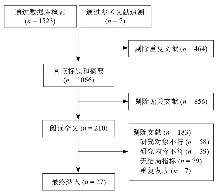
图 1
文献筛选流程图"
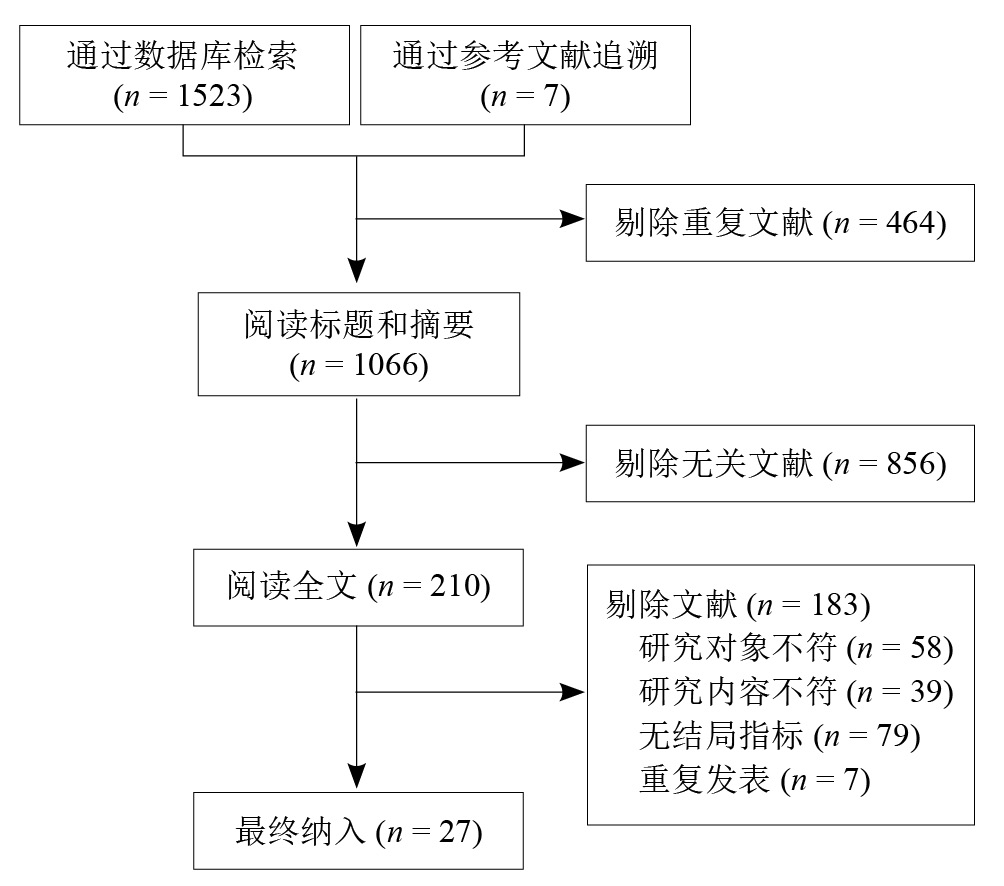

表1
纳入文献基本特征"
| 纳入文献 | 国家 | 研究类型 | 患者/模型类型 | 证据类型 | 结局 | 二级主题 |
|---|---|---|---|---|---|---|
| Naviaux等[ | 美国 | 病例-对照研究 | CFS患者+健康对照 | 生化分析/代谢组学 | 代谢异常导致疲劳增加 | 能量代谢失衡 |
| Wang等[ | 美国 | 实验研究/病例-对照研究 | ME/CFS患者+健康对照; 细胞及转基因小鼠模型 | 分子生物学/线粒体研究 | 线粒体呼吸中断导致运动耐受下降 | 能量代谢失衡 |
| Lawson等[ | 美国 | 病例-对照研究 | CFS患者+配对健康对照 | 细胞生物学/线粒体功能分析 | 细胞能量代谢及线粒体结构发生异常 | 能量代谢失衡 |
| McCully等[ | 英国 | 病例-对照研究 | CFS患者+健康对照 | 生理学/影像学 | 肌肉代谢异常导致肌肉痛增加 | 能量代谢失衡 |
| Vermeulen等[ | 荷兰 | 病例-对照研究/重复运动试验 | CFS患者+健康对照 | 生理学/运动测试 | 氧化磷酸化异常导致PEM恶化 | 能量代谢失衡 |
| Tomas等[ | 英国 | 病例-对照研究 | CFS患者和健康对照来源细胞 | 线粒体功能/呼吸链复合体分析 | 细胞线粒体呼吸链复合体功能异常 | 能量代谢失衡 |
| Jammes等[ | 法国 | 病例-对照研究 | CFS患者+健康对照 | 生理学/氧化应激分析 | 氧化应激增加导致肌肉兴奋性 | 能量代谢失衡 |
| Jones等[ | 英国 | 观察性病例-对照研究 | CFS/ME患者+健康对照 | 生理学/pH分析 | 肌肉pH异常导致自主神经失衡 | 能量代谢失衡 |
| Brown等[ | 英国 | 体外实验研究 | ME/CFS患者来源骨骼肌细胞+健康对照来源细胞 | 分子生物学/药理学 | 葡萄糖摄取异常导致肌肉功能减弱 | 能量代谢失衡 |
| Tomas等[ | 英国 | 病例-对照研究/二次数据分析 | ME/CFS患者+健康对照 | 分子生物学/生物能量分析 | 生物能量功能下降导致严重疲劳 | 能量代谢失衡 |
| Sachdeva等[ | 印度 | 动物实验 | CFS小鼠模型 | 行为学/生化分析 | 生化异常导致行为疲劳增加 | 能量代谢失衡 |
| Hornig等[ | 美国 | 病例-对照研究 | ME/CFS患者+对照 | 免疫学/脑脊液分析 | 细胞因子网络异常导致认知疲劳增加 | 免疫炎症级联反应 |
| Montoya等[ | 美国 | 病例-对照观察性研究 | ME/CFS患者+健康对照 | 血清细胞因子/多重免疫分析 | 细胞免疫功能异常导致肌肉痛加重 | 免疫炎症级联反应 |
| Kodama等[ | 日本 | 回顾性观察性研究/病例系列 | COVID-19疫苗接种后ME/CFS患者 | 临床/营养干预 | 免疫异常导致疲劳症状改善 | 免疫炎症级联反应 |
| Cliff等[ | 英国 | 病例-对照观察性研究 | ME/CFS患者+MS患者+健康对照 | 免疫学/细胞功能分析 | 细胞免疫功能异常导致疲劳增加 | 免疫炎症级联反应 |
| Russell等[ | 美国 | 纵向/观察性队列研究 | CFS/ME患者+对照 | 免疫学/进展分析 | 免疫基线变化导致疾病进展加重 | 免疫炎症级联反应 |
| Hickie等[ | 澳大利亚 | 前瞻性队列研究 | 感染后患者,随访形成CFS患者 | 临床/病原体分析 | 病原体诱发慢性疲劳增加 | 免疫炎症级联反应 |
| Maes等[ | 比利时 | 横断面病例-对照研究 | ME/CFS患者 | 免疫学/自身免疫分析 | 自身免疫活动增加导致炎症途径激活 | 免疫炎症级联反应 |
| Park等[ | 韩国 | 病例-对照比较研究 | CFS患者+癌症相关疲劳患者 | 心理生理学/多维比较 | 心理生理标记异常导致疲劳/疼痛增加 | 免疫炎症级联反应 |
| Fluge等[ | 挪威 | 随机、双盲、安慰剂对照试验 | ME/CFS患者 | 临床试验/免疫学 | B细胞耗竭导致症状改善 | 免疫炎症级联反应 |
| Ghali等[ | 法国 | 回顾性观察性研究 | ME/CFS患者 | 临床观察/统计分析 | PEM警告信号导致临床表型恶化 | 神经肌肉调控异常 |
| Zeineh等[ | 美国 | 病例-对照影像学研究 | CFS患者+健康对照 | 影像学/脑结构分析 | 脑弓状束异常导致认知疲劳增加 | 神经肌肉调控异常 |
| Wu等[ | 中国 | 病例-对照横断面研究 | CFS患者+健康对照 | 神经生理学/脑电分析 | 脑电特征异常导致认知障碍加重 | 神经肌肉调控异常 |
| Thakur等[ | 印度 | 动物实验 | 实验性CFS小鼠模型 | 行为学/神经递质分析 | 神经递质失衡导致疲劳行为增加 | 神经肌肉调控异常 |
| Natelson等[ | 美国 | 病例-对照横断面研究 | CFS患者+健康对照 | 多模态评估/影像学/生化 | 脑脊液异常导致精神共病疲劳加重 | 神经肌肉调控异常 |
| He等[ | 日本 | 动物实验 | CFS小鼠模型 | 行为学/分子生物学 | 神经炎症、氧化应激及神经发生异常 | 神经肌肉调控异常 |
| Xu等[ | 中国 | 动物实验 | 中枢疲劳大鼠模型 | 分子生物学/途径分析 | γ-氨基丁酸/谷氨酸失衡导致认知/情绪障碍 | 神经肌肉调控异常 |
表2
肌肉疲劳分类"
| 分类维度 | 分类名称 | 定义与特征 |
|---|---|---|
| 发生部位 | 中枢性疲劳 | 涉及中枢神经系统(如大脑或脊髓)的功能失调,导致运动指令传递效率下降或运动意愿减弱[ |
| 外周性疲劳 | 主要发生在肌肉本身或神经肌肉接头处,表现为肌肉收缩能力下降或能量供应不足[ | |
| 疲劳程度 | 轻度 | 表现为短暂的肌肉无力或酸痛,稍事休息即可恢复,属于正常生理现象[ |
| 中度 | 肌肉功能明显下降,需要较长时间的休息和恢复[ | |
| 重度 | 肌肉功能严重受损,可能伴随疼痛或运动障碍,需要专业的干预和恢复措施[ | |
| 机制 | 能量耗竭型 | 由于肌肉内能量物质(如ATP、糖原)的耗竭,导致肌肉无法持续收缩[ |
| 代谢产物积累型 | 由于乳酸等代谢产物的积累,导致肌肉pH值下降,影响肌肉收缩功能[ | |
| 神经调节失调型 | 由于中枢神经系统或外周神经的功能失调,导致肌肉收缩指令传递受阻[ |
表3
ME/CFS中主要神经递质的功能异常及电生理表现"
| 神经递质 | 变化方向 | 主要影响脑区 | 电生理表现 | 与疲劳关联度 |
|---|---|---|---|---|
| 5-羟色胺[ | 功能紊乱(非单纯升高) | 基底节、边缘系统、脑干 | 皮质抑制功能改变,睡眠结构紊乱(如慢波睡眠减少) | 间接相关 |
| 多巴胺[ | 功能减退 | 纹状体、前额叶皮质 | MEP振幅下降,运动阈值升高 | 强负相关 |
| 谷氨酸[ | 波动性升高 | 运动皮质、前扣带回 | 神经元超兴奋性(可能导致能量衰竭),谷氨酸升高 | 间接相关 |
| γ-氨基丁酸[ | 失衡(证据不一,可能存在代偿性变化) | 丘脑、感觉皮质 | 皮质抑制功能改变(如皮质静默期延长) | 间接相关 |
| [1] |
Lim E, Ahn Y, Jang E, et al. Systematic review and meta-analysis of the prevalence of chronic fatigue syndrome/myalgic encephalomyelitis (CFS/ME)[J]. J Transl Med, 2020, 18(1): 100.
doi: 10.1186/s12967-020-02269-0 |
| [2] | Jason L A, Sunnquist M, Brown A, et al. Factor analysis of the DePaul symptom questionnaire: identifying core domains[J]. J Neurol Neurobiol, 2015, 1(4): 10.16966/2379-7150.114. |
| [3] | Rutherford G, Manning P, Newton J L. Understanding muscle dysfunction in chronic fatigue syndrome[J]. J Aging Res, 2016, 2016: 2497348. |
| [4] | Naviaux R K, Naviaux J C, Li K, et al. Metabolic features of chronic fatigue syndrome[J]. Proc Natl Acad Sci U S A, 2016, 113(37): E5472-E5480. |
| [5] | Wang P, Ma J, Kim Y, et al. WASF3 disrupts mitochondrial respiration and may mediate exercise intolerance in myalgic encephalomyelitis/chronic fatigue syndrome[J]. Proc Natl Acad Sci U S A, 2023, 120(34): e2302738120. |
| [6] | Lawson N, Hsieh C H, March D, et al. Elevated energy production in chronic fatigue syndrome patients[J]. J Nat Sci, 2016, 2(10): e221 |
| [7] |
McCully K K, Smith S, Rajaei S, et al. Blood flow and muscle metabolism in chronic fatigue syndrome[J]. Clin Sci (Lond), 2003, 104(6): 641-647.
doi: 10.1042/CS20020279 |
| [8] |
Vermeulen R C W, Kurk R M, Visser F C, et al. Patients with chronic fatigue syndrome performed worse than controls in a controlled repeated exercise study despite a normal oxidative phosphorylation capacity[J]. J Transl Med, 2010, 8: 93.
doi: 10.1186/1479-5876-8-93 pmid: 20937116 |
| [9] | Tomas C, Brown A E, Newton J L, et al. Mitochondrial complex activity in permeabilised cells of chronic fatigue syndrome patients using two cell types[J]. PeerJ, 2019, 7: e6500 |
| [10] |
Jammes Y, Steinberg J G, Mambrini O, et al. Chronic fatigue syndrome: assessment of increased oxidative stress and altered muscle excitability in response to incremental exercise[J]. J Intern Med, 2005, 257(3): 299-310.
doi: 10.1111/j.1365-2796.2005.01452.x pmid: 15715687 |
| [11] |
Jones D E J, Hollingsworth K G, Taylor R, et al. Abnormalities in pH handling by peripheral muscle and potential regulation by the autonomic nervous system in chronic fatigue syndrome[J]. J Intern Med, 2010, 267(4): 394-401.
doi: 10.1111/j.1365-2796.2009.02160.x pmid: 20433583 |
| [12] | Brown A E, Dibnah B, Fisher E, et al. Pharmacological activation of AMPK and glucose uptake in cultured human skeletal muscle cells from patients with ME/CFS[J]. Biosci Rep, 2018, 38(3): BSR20180242. |
| [13] |
Tomas C, Elson J L, Strassheim V, et al. The effect of myalgic encephalomyelitis/chronic fatigue syndrome (ME/CFS) severity on cellular bioenergetic function[J]. PLoS One, 2020, 15(4): e0231136.
doi: 10.1371/journal.pone.0231136 |
| [14] |
Sachdeva A K, Kuhad A, Tiwari V, et al. Epigallocatechin gallate ameliorates chronic fatigue syndrome in mice: behavioral and biochemical evidence[J]. Behav Brain Res, 2009, 205(2): 414-420.
doi: 10.1016/j.bbr.2009.07.020 pmid: 19643148 |
| [15] |
Hornig M, Gottschalk G, Peterson D L, et al. Cytokine network analysis of cerebrospinal fluid in myalgic encephalomyelitis/chronic fatigue syndrome[J]. Mol Psychiatry, 2016, 21(2): 261-269.
doi: 10.1038/mp.2015.29 |
| [16] | Montoya J G, Holmes T H, Anderson J N, et al. Cytokine signature associated with disease severity in chronic fatigue syndrome patients[J]. Proc Natl Acad Sci U S A, 2017, 114(34): E7150-E7158. |
| [17] |
Kodama S, Konishi N, Hirai Y, et al. Efficacy of vitamin D replacement therapy on 28 cases of myalgic encephalomyelitis/chronic fatigue syndrome after COVID-19 vaccination[J]. Nutrition, 2025, 134: 112718.
doi: 10.1016/j.nut.2025.112718 |
| [18] |
Cliff J M, King E C, Lee J, et al. Cellular immune function in myalgic encephalomyelitis/chronic fatigue syndrome (ME/CFS)[J]. Front Immunol, 2019, 10: 796.
doi: 10.3389/fimmu.2019.00796 pmid: 31057538 |
| [19] |
Russell L, Broderick G, Taylor R, et al. Illness progression in chronic fatigue syndrome: a shifting immune baseline[J]. BMC Immunol, 2016, 17: 3.
doi: 10.1186/s12865-016-0142-3 pmid: 26965484 |
| [20] |
Hickie I, Davenport T, Wakefield D, et al. Post-infective and chronic fatigue syndromes precipitated by viral and non-viral pathogens: prospective cohort study[J]. BMJ, 2006, 333(7568): 575.
doi: 10.1136/bmj.38933.585764.AE |
| [21] |
Maes M, Ringel K, Kubera M, et al. In myalgic encephalomyelitis/chronic fatigue syndrome, increased autoimmune activity against 5-HT is associated with immuno-inflammatory pathways and bacterial translocation[J]. J Affect Disord, 2013, 150(2): 223-230.
doi: 10.1016/j.jad.2013.03.029 |
| [22] |
Park H Y, Jeon H J, Bang Y R, et al. Multidimensional comparison of cancer-related fatigue and chronic fatigue syndrome: the role of psychophysiological markers[J]. Psychiatry Investig, 2019, 16(1): 71-79.
doi: 10.30773/pi.2018.10.26 |
| [23] |
Fluge O, Rekeland I G, Lien K, et al. B-lymphocyte depletion in patients with myalgic encephalomyelitis/chronic fatigue syndrome: a randomized, double-blind, placebo-controlled trial[J]. Ann Intern Med, 2019, 170(9): 585-593.
doi: 10.7326/M18-1451 pmid: 30934066 |
| [24] |
Ghali A, Lacout C, Ghali M, et al. Warning signals of post-exertional malaise in myalgic encephalomyelitis/chronic fatigue syndrome: a retrospective analysis of 197 patients[J]. J Clin Med, 2021, 10(11): 2517.
doi: 10.3390/jcm10112517 |
| [25] |
Zeineh M M, Kang J, Atlas S W, et al. Right arcuate fasciculus abnormality in chronic fatigue syndrome[J]. Radiology, 2015, 274(2): 517-526.
doi: 10.1148/radiol.14141079 pmid: 25353054 |
| [26] | Wu T, Qi X, Su Y, et al. Electroencephalogram characteristics in patients with chronic fatigue syndrome[J]. Neuropsychiatr Dis Treat, 2016, 12: 241-249. |
| [27] |
Thakur V, Jamwal S, Kumar M, et al. Protective effect of hemin against experimental chronic fatigue syndrome in mice: possible role of neurotransmitters[J]. Neurotox Res, 2020, 38(2): 359-369.
doi: 10.1007/s12640-020-00231-y pmid: 32506340 |
| [28] |
Natelson B H, Mao X, Stegner A J, et al. Multimodal and simultaneous assessments of brain and spinal fluid abnormalities in chronic fatigue syndrome and the effects of psychiatric comorbidity[J]. J Neurol Sci, 2017, 375: 411-416.
doi: S0022-510X(17)30142-9 pmid: 28320179 |
| [29] |
He Q, Sawada M, Yamasaki N, et al. Neuroinflammation, oxidative stress, and neurogenesis in a mouse model of chronic fatigue syndrome, and the treatment with Kampo Medicine[J]. Biol Pharm Bull, 2020, 43(1): 110-115.
doi: 10.1248/bpb.b19-00616 pmid: 31902915 |
| [30] |
Xu Y, Lian Y, Li J, et al. Kangpilao decoction modulates cognitive and emotional disorders in rats with central fatigue through the GABA/Glu pathway[J]. Front Pharmacol, 2022, 13: 939169.
doi: 10.3389/fphar.2022.939169 |
| [31] |
Nijs J, Meeus M, Van Oosterwijck J, et al. In the mind or in the brain? Scientific evidence for central sensitisation in chronic fatigue syndrome[J]. Eur J Clin Invest, 2012, 42(2): 203-212.
doi: 10.1111/j.1365-2362.2011.02575.x pmid: 21793823 |
| [32] |
White P D, Goldsmith K A, Johnson A L, et al. Comparison of adaptive pacing therapy, cognitive behaviour therapy, graded exercise therapy, and specialist medical care for chronic fatigue syndrome (PACE): a randomised trial[J]. Lancet, 2011, 377(9768): 823-836.
doi: 10.1016/S0140-6736(11)60096-2 pmid: 21334061 |
| [33] |
Borchers A T, Gershwin M E. Fibromyalgia: a critical and comprehensive review[J]. Clin Rev Allergy Immunol, 2015, 49(2): 100-151.
doi: 10.1007/s12016-015-8509-4 |
| [34] |
Bateman L, Bested A C, Bonilla H F, et al. Myalgic encephalomyelitis/chronic fatigue syndrome: essentials of diagnosis and management[J]. Mayo Clin Proc, 2021, 96(11): 2861-2878.
doi: 10.1016/j.mayocp.2021.07.004 |
| [35] |
Fitts R H. Cellular mechanisms of muscle fatigue[J]. Physiol Rev, 1994, 74(1): 49-94.
doi: 10.1152/physrev.1994.74.1.49 pmid: 8295935 |
| [36] |
Edwards R H. Human muscle function and fatigue[J]. Ciba Found Symp, 1981, 82: 1-18.
pmid: 6117420 |
| [37] | 蔡斌, 戴尅戎. 评估肌肉疲劳的中枢和外周起源[J]. 医用生物力学, 2015, 30(2): 192-196. |
| Cai B, Dai K R. Evaluation on central and peripheral origin of muscle fatigue[J]. J Med Biomech, 2015, 30(2): 192-196. | |
| [38] | 杨茜梦. 足球运动员运动性疲劳的产生诊断和消除手段研究[J]. 体育科技文献通报, 2024, 12(4): 681-686. |
| [39] | 田峰. 对中枢与外周运动性疲劳的再认识[J]. 中国组织工程研究, 2015, 19(42): 6849-6854. |
| Tian F. Re-cognition of exercise-induced central and peripheral fatigue[J]. Chin J Tissue Eng Res, 2015, 19(42): 6849-6854. | |
| [40] |
Barhorst E E, Boruch A E, Cook D B, et al. Pain-related post-exertional malaise in myalgic encephalomyelitis/chronic fatigue syndrome (ME/CFS) and fibromyalgia: a systematic review and three-level meta-analysis[J]. Pain Med, 2022, 23(6): 1144-1157.
doi: 10.1093/pm/pnab308 |
| [41] |
Morris G, Anderson G, Maes M. Hypothalamic-pituitary-adrenal hypofunction in myalgic encephalomyelitis (ME)/chronic fatigue syndrome (CFS) as a consequence of activated immune-inflammatory and oxidative and nitrosative pathways[J]. Mol Neurobiol, 2017, 54(9): 6806-6819.
doi: 10.1007/s12035-016-0170-2 pmid: 27766535 |
| [42] | 屈媛媛, 冯楚文, 王庆勇, 等. 针刺治疗慢性疲劳综合征的临床评价量表应用进展[J]. 中华中医药杂志, 2020, 35(8): 4055-4058. |
| Qu Y Y, Feng C W, Wang Q Y, et al. Research progress on application of clinical evaluation scale for acupuncture treatment of chronic fatigue syndrome[J]. Chin J Tradit Chin Med Pharm, 2020, 35(8): 4055-4058. | |
| [43] | 钱桂凤, 李虹竹, 赵玮璇, 等. 火针膏肓穴对慢性疲劳综合征大鼠血清SOD、MDA及GSH-Px的影响[J]. 中华中医药杂志, 2018, 33(8): 3291-3294. |
| Qian G F, Li H Z, Zhao W X, et al. Effects of fire-acupuncture treatment of chronic fatigue syndrome on serum SOD, MDA, and GSH-Px in rats[J]. Chin J Tradit Chin Med Pharm, 2018, 33(8): 3291-3294. | |
| [44] | 华金双, 邵伯雍, 傅文. 逆针灸对慢性疲劳大鼠行为学及IL-1β、IL-6的影响[J]. 中医研究, 2017, 30(4): 73-76. |
| Hua J S, Shao B Y, Fu W. Effects of reverse acupuncture on behavioral characteristics and IL-1β, IL-6 levels in rats with chronic fatigue[J]. Tradit Chin Med Res, 2017, 30(4): 73-76. | |
| [45] | 李敬楠, 曾俏俏, 毕昀鹏, 等. 中医外治法治疗慢性疲劳综合征临床研究进展[J]. 中医药信息, 2024, 41(5): 82-86. |
| Li J N, Zeng X X, Bi Y P, et al. Clinical research progress on traditional Chinese Medicine external treatment for chronic fatigue syndrome[J]. Inform TCM, 2024, 41(5): 82-86. | |
| [46] | 黄泽鑫, 贾亚南, 栗航, 等. 普通针刺法治疗慢性疲劳综合征随机对照临床试验[J]. 四川中医, 2024, 42(4): 200-203. |
| Huang Z X, Jia Y N, Li H, et al. Randomized controlled clinical trial of conventional acupuncture for chronic fatigue syndrome[J]. J Sichuan Tradit Chin Med, 2024, 42(4): 200-203. | |
| [47] | 唐宏亮, 王雄将, 卢栋明, 等. 推拿干预慢性疲劳综合征研究的系统评价[J]. 中华中医药学刊, 2018, 36(6): 1363-1368. |
| Tang H L, Wang X J, Lu D M, et al. Systematic review of chronic fatigue syndrome treated by Tuina[J]. Chin Arch Tradit Chin Med, 2018, 36(6): 1363-1368. | |
| [48] | 杨小慧, 裴鑫, 谭若彤, 等. 背部推法对慢性疲劳综合征大鼠运动能力和骨骼肌线粒体功能的影响[J]. 中国运动医学杂志, 2025, 44(4): 291-297. |
| Yang X H, Pei X, Tan R T, et al. Effects of back-pushing manipulation on motor capacity and skeletal muscle mitochondrial function in rats with chronic fatigue syndrome[J]. Chin J Sports Med, 2025, 44(4): 291-297. | |
| [49] | 吴双韵, 付勇, 刘慧, 等. 芳香推拿治疗慢性疲劳综合征34例随机对照临床研究[J]. 中医杂志, 2024, 65(12): 1249-1254. |
| Wu S Y, Fu Y, Liu H, et al. Chronic fatigue syndrome treated with massage combined with aromatic therapy in 34 cases: a randomized controlled study[J]. J Tradit Chin Med, 2024, 65(12): 1249-1254. | |
| [50] | 林巧婷, 钟叶蓓, 杨尚林, 等. 背部推法对慢性疲劳综合征大鼠运动行为、氧化应激和炎症反应的影响[J]. 中国运动医学杂志, 2024, 43(1): 39-46. |
| Lin Q T, Zhong Y B, Yang S L, et al. Effects of Tuina on motor behavior, oxidative stress and inflammatory response in rats with chronic fatigue syndrome[J]. Chin J Sports Med, 2024, 43(1): 39-46. | |
| [51] | 王昆, 唐伟, 刘超. 慢性疲劳综合征的神经内分泌机制[J]. 医学综述, 2006, 12(3): 131-133. |
| Wang K, Tang W, Liu C. The neuroendocrin mechanism of chronic fatigue syndrome[J]. Med Recapitul, 2006, 12(3): 131-133. | |
| [52] |
Proal A D, Albert P J, Marshall T G, et al. Immunostimulation in the treatment for chronic fatigue syndrome/myalgic encephalomyelitis[J]. Immunol Res, 2013, 56(2-3): 398-412.
doi: 10.1007/s12026-013-8413-z pmid: 23576059 |
| [53] |
Hudson W H, Gensheimer J, Hashimoto M, et al. Proliferating transitory t cells with an effector-like transcriptional signature emerge from PD-1(+) stem-like CD8(+) T cells during chronic infection[J]. Immunity, 2019, 51(6): 1043-1058.
doi: 10.1016/j.immuni.2019.11.002 |
| [54] |
Lorusso L, Mikhaylova S V, Capelli E, et al. Immunological aspects of chronic fatigue syndrome[J]. Autoimmun Rev, 2009, 8(4): 287-291.
doi: 10.1016/j.autrev.2008.08.003 pmid: 18801465 |
| [55] |
Rey A, Molins B, Llorenc V, et al. Cytokine profiling reveals decreased serum levels of CCL2 in active ocular toxoplasmosis[J]. Br J Ophthalmol, 2013, 97(10): 1338-1342.
doi: 10.1136/bjophthalmol-2013-303092 pmid: 23878135 |
| [56] | Meira C S, Pereira-Chioccola V L, Vidal J E, et al. Cerebral and ocular toxoplasmosis related with IFN-gamma, TNF-alpha, and IL-10 levels[J]. Front Microbiol, 2014, 5: 492. |
| [57] | Katz B Z, Collin S M, Murphy G, et al. The international collaborative on fatigue following infection (COFFI)[J]. Fatigue, 2018, 6(2): 106-121. |
| [58] | 李玲玲, 苏磊, 胡梦圆, 等. 升阳散火汤及其拆方对慢性疲劳综合征小鼠行为学和肠道菌群的影响[J]. 北京中医药大学学报, 2021, 44(10): 908-916. |
| Li L L, Su L, Hu M Y, et al. Analysis of the effects of Shengyang Sanhuo Decoction and its disassembly prescriptions on behavior and intestinal flora of mice with chronic fatigue syndrome[J]. J Beijing Univ Tradit Chin Med, 2021, 44(10): 908-916. | |
| [59] | 齐庆文, 陈大琳, 郝家翔, 等. 生脉金刺梨饮对慢性疲劳综合征小鼠的影响[J]. 中国民族民间医药, 2023, 32(5): 19-22. |
| Qi Q W, Chen D L, Hao J X, et al. Effects of Shengmai Jincili Yin on chronic fatigue syndrome mice[J]. Chin J Ethnomed Ethnopharmacy, 2023, 32(5): 19-22. | |
| [60] | 高盼微, 徐兴娣, 罗子娟, 等. 益气清肺颗粒干预对慢性疲劳综合征模型小鼠的药效作用研究[J]. 天津中医药大学学报, 2025, 44(4): 317-323. |
| Gao P W, Xu X D, Luo Z J, et al. Evaluation of the pharmacological effect of Yiqi Qingfei Granules intervention on chronic fatigue syndrome model mice[J]. J Tianjin Univ Tradit Chin Med, 2025, 44(4): 317-323. | |
| [61] | 陈文钰, 陈言, 司国瑞, 等. 归脾汤对慢性疲劳综合征小鼠认知能力及炎症因子的影响[J]. 中国老年学杂志, 2023, 43(19): 4770-4773. |
| Chen W Y, Chen Y, Si G R, et al. Effect of Guipi Decoction on cognitive ability and inflammatory factors in chronic fatigue syndrome model mice[J]. Chin J Gerontol, 2023, 43(19): 4770-4773. | |
| [62] |
Yang X, Li F, Liu Y, et al. Study on the correlation between NF-kappaB and central fatigue[J]. J Mol Neurosci, 2021, 71(10): 1975-1986.
doi: 10.1007/s12031-021-01803-z |
| [63] | 魏高峡, 盖力锟, 林萱. 运动认知神经科学研究(2012-2022):10年回顾与未来展望[J]. 科学通报, 2024, 69(24): 3492-3514. |
|
Wei G X, Gai L K, Lin X. A decade of progress in sports and exercise neuroscience from 2012 to 2022: a review and perspectives[J]. Chin Sci Bull, 2024, 69(24): 3492-3514.
doi: 10.1360/TB-2024-0034 |
|
| [64] | 李敏, 彭璐, 颜学军. 脑电相关监测指标在缺血性脑卒中患者预后评估中的研究进展[J]. 医学综述, 2020, 26(1): 107-111. |
| Li M, Peng L, Yan X J. Assessment of prognosis in patients with ischemic stroke by EEG monitoring indicators[J]. Med Recapitul, 2020, 26(1): 107-111. | |
| [65] | 崔欢欢. 经颅直流电刺激对脑力疲劳调控作用的研究[D]. 天津: 天津大学, 2018. |
| Cui H H. Research of the regulation effect of transcranial direct current stimulation on mental fatigue[D]. Tianjin: Tianjin University, 2018. | |
| [66] |
Stagg C J, Antal A, Nitsche M A. Physiology of transcranial direct current stimulation[J]. J ECT, 2018, 34(3): 144-152.
doi: 10.1097/YCT.0000000000000510 pmid: 29877965 |
| [67] |
Rayhan R U, Stevens B W, Timbol C R, et al. Increased brain white matter axial diffusivity associated with fatigue, pain and hyperalgesia in gulf war illness[J]. PLoS One, 2013, 8(3): e58493.
doi: 10.1371/journal.pone.0058493 |
| [68] |
Razek A A K A, Taman S E, El Regal M E, et al. Diffusion tensor imaging of microstructural changes in the gray and white matter in patients with Crigler-Najjar syndrome type I[J]. J Comput Assist Tomogr, 2020, 44(3): 393-398.
doi: 10.1097/RCT.0000000000001008 pmid: 32217895 |
| [69] |
Rollnik J D. Chronic fatigue syndrome: a critical review[J]. Fortschr Neurol Psychiatr, 2017, 85(2): 79-85.
doi: 10.1055/s-0042-121259 pmid: 28235209 |
| [70] | 王其飞, 杜兴彬, 孔健达. 中枢疲劳的神经生理基础及运动诱发机制[J]. 中国组织工程研究, 2025, 29(32): 6979-6988. |
| Wang Q F, Du X B, Kong J D. Neural physiological basis and exercise-induced mechanism of central fatigue[J]. Chin J Tissue Eng Res, 2025, 29(32): 6979-6988. | |
| [71] |
Barchas J D, Freedman D X. Brain amines: response to physiological stress[J]. Biochem Pharmacol, 1963, 12: 1232-1235.
pmid: 14074126 |
| [72] | 王铁刚, 孙忠人, 戴缙, 等. 经颅重复针刺刺激疗法对慢性疲劳综合征脑功能调控的fMRI研究[J]. 临床放射学杂志, 2024, 43(1): 139-145. |
| Wang T G, Sun Z R, Dai J, et al. The fMRI study on the regulation of brain function by rtas therapy in chronic fatigue syndrome[J]. J Clin Radiol, 2024, 43(1): 139-145. | |
| [73] | 马帅, 王玉琳, 张思琪, 等. 头针结合"经颅重复针刺法"治疗慢性疲劳综合征临床研究[J]. 针灸临床杂志, 2022, 38(1): 13-17. |
| Ma S, Wang Y L, Zhang S Q, et al. Clinical study of scalp acupuncture combined with 'transcranial repeated acupuncture' in treatment of CFS[J]. JCAM, 2022, 38(1): 13-17. | |
| [74] | 孙申田, 王军. 经颅重复针刺刺激疗法[M]. 北京: 人民卫生出版社, 2022: 39-57. |
| Sun S T, Wang J. Transcranial repetitive needle stimulation therapy[M]. Beijing: People's Medical Publishing House, 2022: 39-57. | |
| [75] |
Wanner S P, Leite L H R, Guimaraes J B, et al. Increased brain L-arginine availability facilitates cutaneous heat loss induced by running exercise[J]. Clin Exp Pharmacol Physiol, 2015, 42(6): 609-616.
doi: 10.1111/cep.2015.42.issue-6 |
| [76] |
Zhao J, Lai L, Cheung S S, et al. Hot environments decrease exercise capacity and elevate multiple neurotransmitters[J]. Life Sci, 2015, 141: 74-80.
doi: 10.1016/j.lfs.2015.09.001 pmid: 26367064 |
| [77] |
Jacobs B L, Azmitia E C. Structure and function of the brain serotonin system[J]. Physiol Rev, 1992, 72(1): 165-229.
doi: 10.1152/physrev.1992.72.1.165 pmid: 1731370 |
| [78] |
Waldmeier P C, Delini-Stula A A. Serotonin-dopamine interactions in the nigrostriatal system[J]. Eur J Pharmacol, 1979, 55(4): 363-373.
pmid: 572774 |
| [79] |
Roelands B, Hasegawa H, Watson P, et al. The effects of acute dopamine reuptake inhibition on performance[J]. Med Sci Sports Exerc, 2008, 40(5): 879-885.
doi: 10.1249/MSS.0b013e3181659c4d |
| [80] |
Balthazar C H, Leite L H R, Rodrigues A G, et al. Performance-enhancing and thermoregulatory effects of intracerebroventricular dopamine in running rats[J]. Pharmacol Biochem Behav, 2009, 93(4): 465-469.
doi: 10.1016/j.pbb.2009.06.009 pmid: 19549536 |
| [81] |
Steiner S, Fehrer A, Hoheisel F, et al. Understanding, diagnosing, and treating myalgic encephalomyelitis/chronic fatigue syndrome: state of the art: report of the 2nd international meeting at the charite fatigue center[J]. Autoimmun Rev, 2023, 22(11): 103452.
doi: 10.1016/j.autrev.2023.103452 |
| [82] |
Guest N S, Vandusseldorp T A, Nelson M T, et al. International Society of Sports Nutrition position stand: caffeine and exercise performance[J]. J Int Soc Sports Nutr, 2021, 18(1): 1.
doi: 10.1186/s12970-020-00383-4 |
| [83] |
Jacobson K A, Gao Z, Matricon P, et al. Adenosine a(2a) receptor antagonists: from caffeine to selective non-xanthines[J]. Br J Pharmacol, 2022, 179(14): 3496-3511.
doi: 10.1111/bph.v179.14 |
| [84] |
Stagg C J, Bachtiar V, Johansen-Berg H. The role of GABA in human motor learning[J]. Curr Biol, 2011, 21(6): 480-484.
doi: 10.1016/j.cub.2011.01.069 pmid: 21376596 |
| [85] |
Clark V P, Coffman B A, Trumbo M C, et al. Transcranial direct current stimulation (tDCS) produces localized and specific alterations in neurochemistry: a (1)H magnetic resonance spectroscopy study[J]. Neurosci Lett, 2011, 500(1): 67-71.
doi: 10.1016/j.neulet.2011.05.244 |
| [86] |
Sanders D B, Massey J M. Does change in neuromuscular jitter predict or correlate with clinical change in MG?[J]. Muscle Nerve, 2017, 56(1): 45-50.
doi: 10.1002/mus.25440 pmid: 27759891 |
| [87] |
Nicolau S, Kao J C, Liewluck T. Trouble at the junction: when myopathy and myasthenia overlap[J]. Muscle Nerve, 2019, 60(6): 648-657.
doi: 10.1002/mus.26676 pmid: 31449669 |
| [88] |
Konishi T, Nishitani H, Matsubara F, et al. Myasthenia gravis: relation between jitter in single-fiber EMG and antibody to acetylcholine receptor[J]. Neurology, 1981, 31(4): 386-392.
pmid: 6261187 |
| [89] |
Caldas V M, Heise C O, Kouyoumdjian J A, et al. Electrophysiological study of neuromuscular junction in congenital myasthenic syndromes, congenital myopathies, and chronic progressive external ophthalmoplegia[J]. Neuromuscul Disord, 2020, 30(11): 897-903.
doi: 10.1016/j.nmd.2020.10.002 |
| [90] | Ranaldi S, Corvini G, De Marchis C, et al. The influence of the sEMG amplitude estimation technique on the EMG-force relationship[J]. Sensors (Basel), 2022, 22(11). |
| [91] |
Merletti R, Muceli S. Tutorial. Surface EMG detection in space and time: best practices[J]. J Electromyogr Kinesiol, 2019, 49: 102363.
doi: 10.1016/j.jelekin.2019.102363 |
| [92] |
Lee S, Choi Y, Jeong E, et al. Physiological significance of elevated levels of lactate by exercise training in the brain and body[J]. J Biosci Bioeng, 2023, 135(3): 167-175.
doi: 10.1016/j.jbiosc.2022.12.001 |
| [93] |
Zadeh F H, Wilson D R, Agrawal D K. Long COVID: complications, underlying mechanisms, and treatment strategies[J]. Arch Microbiol Immunol, 2023, 7(2): 36-61.
pmid: 37388279 |
| [94] | 钟晓玲, 童伯瑛, 杨一涵, 等. 经皮穴位电刺激对慢性疲劳综合征大鼠学习记忆能力的影响及其机制探讨[J]. 针刺研究, 2023, 48(4): 317-324. |
| Zhong X L, Tong B Y, Yang Y H, et al. Effect of transcutaneous electrical acupoint stimulation on learning and memory ability of chronic fatigue syndrome rats and its mechanisms[J]. J Acupunct Res, 2023, 48(4): 317-324. | |
| [95] | Larun L, Brurberg K G, Odgaard-Jensen J, et al. Exercise therapy for chronic fatigue syndrome[J]. Cochrane Database Syst Rev, 2024, 12(12): CD003200. |
| [96] |
Cheng Y C, Huang Y C, Huang W L. Heart rate variability in patients with somatic symptom disorders and functional somatic syndromes: a systematic review and meta-analysis[J]. Neurosci Biobehav Rev, 2020, 112: 336-344.
doi: 10.1016/j.neubiorev.2020.02.007 |
| [97] |
Nelson M J, Bahl J S, Buckley J D, et al. Evidence of altered cardiac autonomic regulation in myalgic encephalomyelitis/chronic fatigue syndrome: a systematic review and meta-analysis[J]. Medicine (Baltimore), 2019, 98(43): e17600.
doi: 10.1097/MD.0000000000017600 |
| [98] |
Meeus M, Goubert D, De Backer F, et al. Heart rate variability in patients with fibromyalgia and patients with chronic fatigue syndrome: a systematic review[J]. Semin Arthritis Rheum, 2013, 43(2): 279-287.
doi: 10.1016/j.semarthrit.2013.03.004 |
| [99] | Haunhorst S, Dudziak D, Scheibenbogen C, et al. Towards an understanding of physical activity-induced post-exertional malaise: insights into microvascular alterations and immunometabolic interactions in post-COVID condition and myalgic encephalomyelitis/chronic fatigue syndrome[J]. Infection, 2025, 53(1): 1-13. |
| [100] |
Magistretti P J, Allaman I. Lactate in the brain: from metabolic end-product to signalling molecule[J]. Nat Rev Neurosci, 2018, 19(4): 235-249.
doi: 10.1038/nrn.2018.19 pmid: 29515192 |
| [101] |
Komaroff A L. Advances in understanding the pathophysiology of chronic fatigue syndrome[J]. JAMA, 2019, 322(6): 499-500.
doi: 10.1001/jama.2019.8312 |
| [102] | Wood E, Hall K H, Tate W. Role of mitochondria, oxidative stress and the response to antioxidants in myalgic encephalomyelitis/chronic fatigue syndrome: a possible approach to SARS-CoV-2 'long-haulers'?[J]. Chronic Dis Transl Med, 2021, 7(1): 14-26. |
| [103] |
Cho H J, Skowera A, Cleare A, et al. Chronic fatigue syndrome: an update focusing on phenomenology and pathophysiology[J]. Curr Opin Psychiatry, 2006, 19(1): 67-73.
doi: 10.1097/01.yco.0000194370.40062.b0 |
| [104] |
Lv Y, Zhang T, Cai J, et al. Bioinformatics and systems biology approach to identify the pathogenetic link of long covid and myalgic encephalomyelitis/chronic fatigue syndrome[J]. Front Immunol, 2022, 13: 952987.
doi: 10.3389/fimmu.2022.952987 |
| [105] |
Maksoud R, Du Preez S, Eaton-Fitch N, et al. A systematic review of neurological impairments in myalgic encephalomyelitis/chronic fatigue syndrome using neuroimaging techniques[J]. PLoS One, 2020, 15(4): e0232475.
doi: 10.1371/journal.pone.0232475 |
| [106] |
Hendrix J, Fanning L, Wyns A, et al. Adrenergic dysfunction in patients with myalgic encephalomyelitis/chronic fatigue syndrome and fibromyalgia: a systematic review and meta-analysis[J]. Eur J Clin Invest, 2025, 55(1): e14318.
doi: 10.1111/eci.v55.1 |
| [107] |
Oesch-Regeni B, Germann N, Hafer G, et al. The effect on quality of life of therapeutic plasmapheresis and intravenous immunoglobulins on a population of myalgic encephalomyelitis/chronic fatigue syndrome patients with elevated beta-adrenergic and M3-muscarinic receptor antibodies: a pilot study[J]. J Clin Med, 2025, 14(11): 3802.
doi: 10.3390/jcm14113802 |
| [108] |
Toogood P L, Clauw D J, Phadke S, et al. Myalgic encephalomyelitis/chronic fatigue syndrome (ME/CFS): Where will the drugs come from?[J]. Pharmacol Res, 2021, 165: 105465.
doi: 10.1016/j.phrs.2021.105465 |
| [109] | 李匡时. 基于结构及功能网络的太极拳干预慢性疲劳综合征的脑效应机制研究[D]. 北京: 北京中医药大学, 2024. |
| Li K S. A study on the brain mechanisms of Tai Chi intervention for chronic fatigue syndrome based on structural and functional networks[D]. Beijing: Beijing University of Chinese Medicine, 2024. | |
| [110] | 谢芳芳, 管翀, 成子己, 等. 传统功法干预慢性疲劳综合征的研究进展[J]. 中医药导报, 2020, 26(11): 98-100, 137. |
| Xie F F, Guan C, Cheng Z J, et al. Research progress of traditional exercises in the treatment of chronic fatigue syndrome[J]. Guid J Tradit Chin Med Pharm, 2020, 26(11): 98-100, 137. | |
| [111] |
Carta M G, Testa G, Stocchino S, et al. The efficacy of heart rate variability biofeedback training on sleep disorders and impact of fibromyalgia: results of a phase II randomized controlled trial[J]. J Psychosom Res, 2024, 181: 111664.
doi: 10.1016/j.jpsychores.2024.111664 |
| [112] |
Cossu G, Kalcev G, Primavera D, et al. The use of heart rate variability-biofeedback (HRV-BF) as an adjunctive intervention in chronic fatigue syndrome (CSF/ME) in long COVID: results of a phase II controlled feasibility trial[J]. J Clin Med, 2025, 14(15): 5363.
doi: 10.3390/jcm14155363 |
| [1] | 高惠刚, 刘远文, 秦煜玲, 胡昔权, 朱琳. 2020年至2025年足踝软体外骨骼机器人改善脑卒中患者步行功能的Scoping综述[J]. 《中国康复理论与实践》, 2026, 32(6): 645-652. |
| [2] | 刘日华, 张星悦, 亓丰学. 经颅直流电刺激在成人运动技能中应用的Scoping综述[J]. 《中国康复理论与实践》, 2026, 32(4): 411-425. |
| [3] | 叶绿, 陈悦琳, 刘雨霏. 儿童身体活动与脑健康的认知神经科学研究技术范式与进展:Scoping综述[J]. 《中国康复理论与实践》, 2025, 31(8): 889-895. |
| [4] | 吴晓晖, 蒋雷, 朱静茹, 解利辉. 深度学习在老年人轻度认知障碍诊断中应用的Scoping综述[J]. 《中国康复理论与实践》, 2025, 31(6): 674-681. |
| [5] | 潘义, 厚双龙, 温晓妮. 经皮迷走神经刺激在成年人执行功能中应用的Scoping综述[J]. 《中国康复理论与实践》, 2025, 31(5): 520-528. |
| [6] | 王晓晓, 瞿璐, 王佳欣, 赵梅萍, 李沐紫, 刘巧云. 内感受功能评估工具的结构、内容与心理测量特性:基于COSMIN和ICF的Scoping综述[J]. 《中国康复理论与实践》, 2025, 31(2): 172-183. |
| [7] | 蒋长好, 蒋现新, 黄辰, 钟晓珂. 人工智能应用于老年人睡眠障碍的诊断与干预:基于ICF的Scoping综述[J]. 《中国康复理论与实践》, 2024, 30(8): 922-929. |
| [8] | 曹亚萍, 李炬, 黄明昊, 李忠诚, 郎健. 成年高尔夫球员腰部损伤风险因素及健康与康复干预策略:Scoping综述[J]. 《中国康复理论与实践》, 2024, 30(6): 657-664. |
| [9] | 苏如峰, 钟晓珂, 高晓妍, 蒋长好. 人工智能在儿童青少年焦虑和抑郁中应用的Scoping综述[J]. 《中国康复理论与实践》, 2024, 30(5): 513-519. |
| [10] | 吴进龙, 任占兵, 易子珍, 彭莉. 孤独症谱系障碍个体互动期间脑间同步特点的Scoping综述[J]. 《中国康复理论与实践》, 2024, 30(2): 168-175. |
| [11] | 黄兆欣, 唐乐天, 肖晓飞, 娄彦涛. 矫形鞋垫干预柔韧性扁平足儿童青少年下肢功能的Scoping综述[J]. 《中国康复理论与实践》, 2024, 30(11): 1343-1350. |
| [12] | 邵伟婷, 雷江华. 反应中断再定向干预孤独症谱系障碍儿童刻板语言的效果:Scoping综述[J]. 《中国康复理论与实践》, 2024, 30(1): 10-20. |
| [13] | 张园, 杨剑. 基于世界卫生组织健康促进学校架构的学校健康服务及效果:Scoping综述[J]. 《中国康复理论与实践》, 2023, 29(7): 791-799. |
| [14] | 袁媛, 杨剑. 社区老年人身体活动融合慢性病管理的健康效益:Scoping综述[J]. 《中国康复理论与实践》, 2023, 29(5): 541-550. |
| [15] | 曹雨菡, 李瑾, 何民, 王丹, 陈伟. 基于ICF冠心病患者远程康复的Scoping综述[J]. 《中国康复理论与实践》, 2023, 29(4): 433-442. |
| 阅读次数 | ||||||
|
全文 |
|
|||||
|
摘要 |
|
|||||
|
||
