



《中国康复理论与实践》 ›› 2026, Vol. 32 ›› Issue (9): 1003-1015.doi: 10.3969/j.issn.1006-9771.2026.09.002
蒋阳1, 彭皓1, 尹兴晓1, 李艳琪1, 宋艳萍2, 姚娜2, 申震2, 陈奇刚2( )
)
收稿日期:2026-02-12
修回日期:2026-04-02
接受日期:2026-04-08
出版日期:2026-09-25
发布日期:2026-09-20
通讯作者:
陈奇刚(1971-),男,汉族,云南昆明市人,主任医师,主要研究方向:中西医结合康复。E-mail:cqg_cq@163.com作者简介:蒋阳(2000-),男,汉族,云南昭通市人,博士研究生,主要研究方向:慢性病新型运动康复。
基金资助:
Jiang Yang1, Peng Hao1, Yin Xingxiao1, Li Yanqi1, Song Yanping2, Yao Na2, Shen Zhen2, Chen Qigang2()
Received:2026-02-12
Revised:2026-04-02
Accepted:2026-04-08
Published:2026-09-25
Online:2026-09-20
Contact:
Chen Qigang, E-mail: cqg_cq@163.comSupported by:摘要:
目的 以《国际功能、残疾和健康分类》(ICF)理论为框架,系统分析虚拟现实运动游戏对认知功能障碍人群多维度健康结局的干预效果。
方法 严格遵循PRISMA原则实施Meta分析。检索PubMed、Cochrane Library、Embase、Scopus、Web of Science、中国知网、万方数据库、维普数据库,收集虚拟现实运动游戏干预认知功能障碍的随机对照试验,检索时限截至2026年2月1日。采用Cochrane偏倚风险评估工具2.0版评价纳入文献方法学质量;基于R 4.4.2构建三水平Meta分析模型;采用GRADE对合并效应量进行证据等级分级。
结果 最终纳入22项研究。虚拟现实运动游戏可改善整体认知功能(SMD = 0.69, 95%CI 0.11~1.28, P = 0.022)、记忆功能(SMD = 0.47, 95%CI 0.07~0.87, P = 0.023)、注意力功能(SMD = 0.62, 95%CI 0.23~1.01, P = 0.004)、执行功能(SMD = 0.42, 95%CI 0.09~0.75, P = 0.013)、平衡功能(SMD = 0.54, 95%CI 0.07~1.00, P = 0.027)、肌肉力量功能(SMD = 0.63, 95%CI 0.37~0.88, P = 0.001)、步行(SMD = 0.29, 95%CI 0.04~0.54, P = 0.024)和生活质量(SMD = 0.29, 95%CI 0.03~0.56, P = 0.029);对抑郁情绪、综合体适能和跌倒风险无显著改善作用(均P > 0.05)。亚组分析和Meta回归显示,单次干预时长< 45 min时,改善注意力功能的效应最优(SMD = 0.95, 95%CI 0.55~1.34, P < 0.001);干预周期12~24周对提升步行效果最佳(SMD = 0.85, 95%CI 0.44~1.25, P < 0.001);年龄可负向调节平衡功能改善幅度(β = -0.11, 95%CI -0.20~-0.02, P = 0.020),高龄者干预获益更低。
结论 虚拟现实运动游戏能改善认知功能障碍患者身心多维健康状况。临床优先选用单次短时、长期持续的干预方案。
中图分类号:
蒋阳, 彭皓, 尹兴晓, 李艳琪, 宋艳萍, 姚娜, 申震, 陈奇刚. 虚拟现实运动游戏对认知功能障碍人群多维结局的影响:基于ICF框架的三水平Meta分析[J]. 《中国康复理论与实践》, 2026, 32(9): 1003-1015.
Jiang Yang, Peng Hao, Yin Xingxiao, Li Yanqi, Song Yanping, Yao Na, Shen Zhen, Chen Qigang. Effect of virtual reality-based exergaming on multidimensional outcomes in individuals with cognitive impairment: a three-level meta-analysis based on the ICF framework[J]. Chinese Journal of Rehabilitation Theory and Practice, 2026, 32(9): 1003-1015.
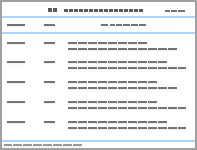
表1
PICO架构"
| 人群(Population) | 干预(Intervention) | 比较(Comparison) | 结局(Outcome) |
|---|---|---|---|
| 认知功能障碍人群 (MCI、痴呆或AD) | 对照措施 被动控制:无干预、健康教育、常规护理 主动控制:单一的运动或认知训练、运动-认知训练干预措施 VREG 干预要素 时间、频率、周期 | VREG与被动控制和主动控制比较 受试者个体因素差异与干预要素的调节作用比较 | b身体功能 b110~b139整体认知功能 b140注意力功能 b144记忆功能 b164高水平认知功能(执行功能) b152情感功能(抑郁) b455运动耐受功能(综合体适能) b730肌肉力量功能 b755不随意运动反应功能(平衡功能) s身体结构 d活动和参与 d450~d469步行和移动(跌倒风险) d450步行 d9社区、社会和公民(生活质量) |
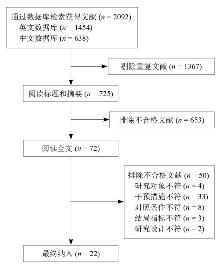
图1
文献筛选流程图"
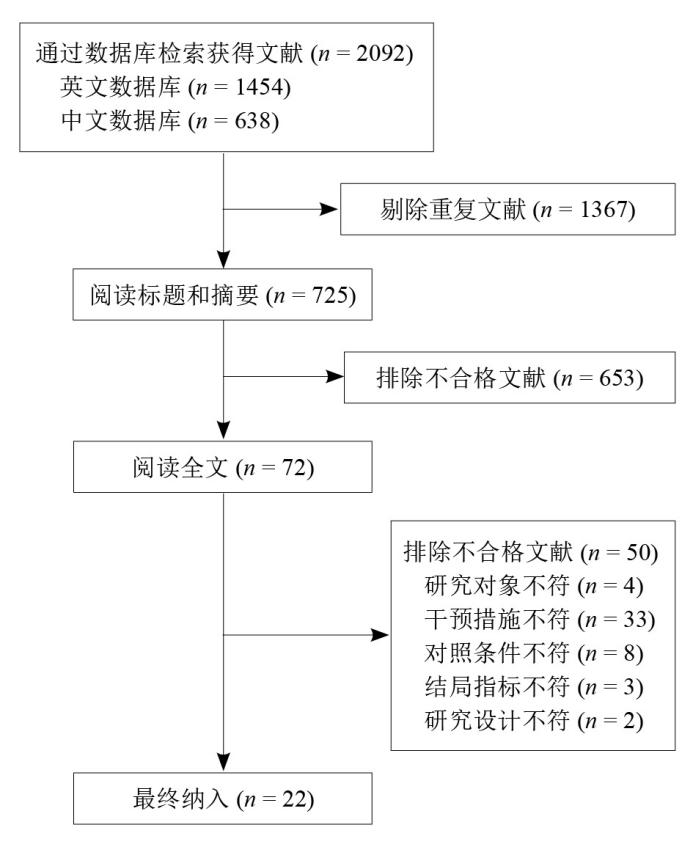
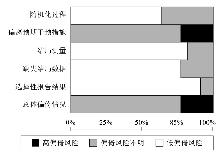
图2
偏倚风险比例"
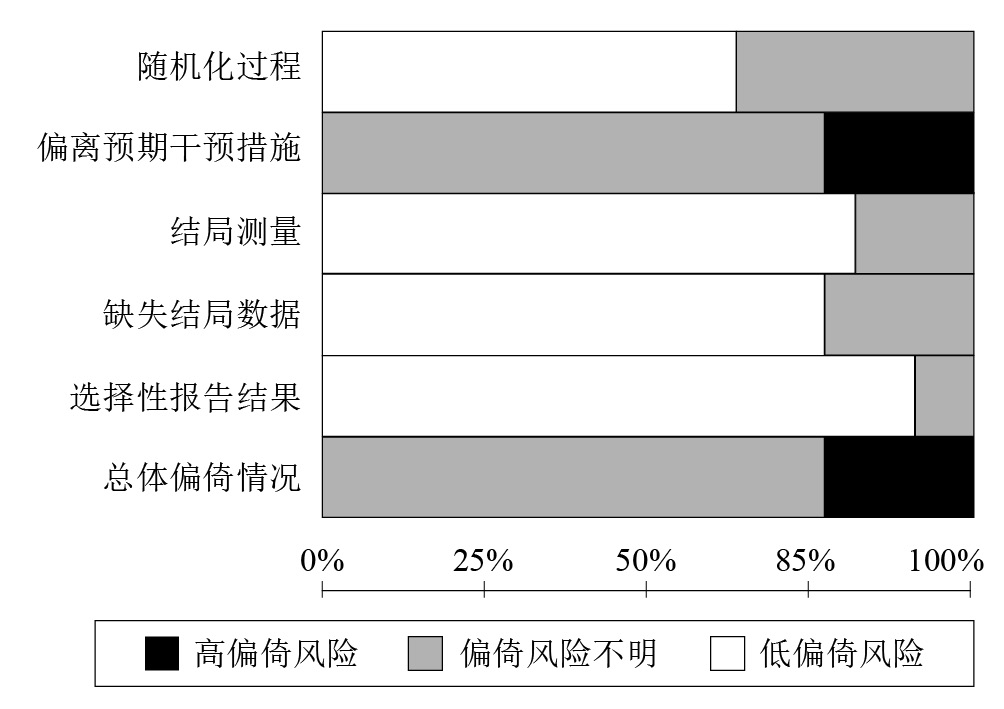
图3
纳入文献偏倚评估"
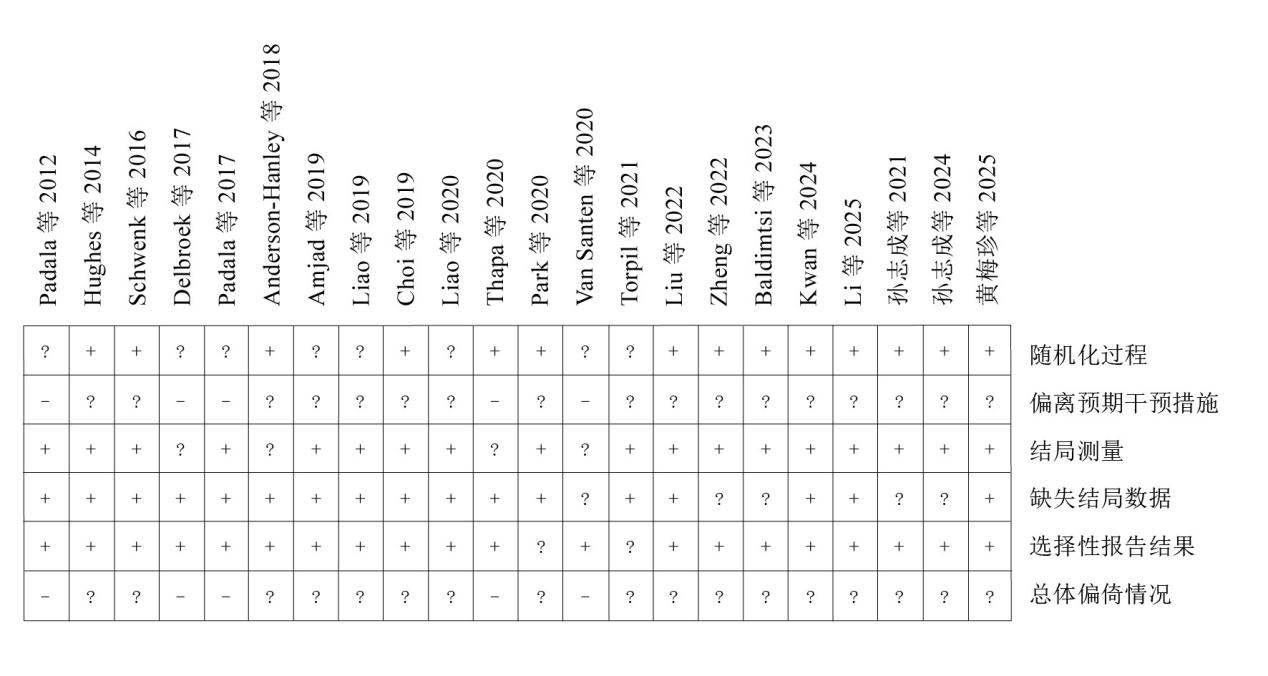
表2
纳入文献基本特征"
| 纳入文献 | 国家 | 人群 | n(男/女) | 年龄/岁 | 干预措施 | 干预处方 | 结局指标(评估工具) | |||||
|---|---|---|---|---|---|---|---|---|---|---|---|---|
| C | T | C | T | C | T | |||||||
| 黄梅珍等[ | 中国 | MCI | 16/32 | 12/37 | 71.12±5.28 | 69.54±5.17 | 健康教育 | 沉浸式 | 每次30~45 min,每周3次,共12周 | 整体认知功能(a, b)、记忆功能(c)、注意力功能(d)、执行功能(d)、抑郁(v) | ||
| 孙志成等[ | 中国 | MCI | 13/18 | 11/21 | 78.03±5.95 | 77.18±6.41 | 认知训练 | 非沉浸式 | 每次45 min,每周3次,共24周 | 整体认知功能(a)、记忆功能(e)、注意力功能(f, d)、执行功能(x, d)、步行(g, y)、肌肉力量功能(r)、生活质量(h) | ||
| 孙志成等[ | 中国 | MCI | 10/19 | 11/17 | 77.14±4.01 | 77.33±4.06 | 健康教育 | 非沉浸式 | 每次50 min,每周3次,共24周 | 整体认知功能(a)、记忆功能(e)、注意力功能(f, d)、执行功能(d) 综合体适能(i)、步行(i)、平衡功能(i)、肌肉力量功能(i)、生活质量(h) | ||
| Li等[ | 中国 | MCI | 53/60 | 46/67 | 72.29±4.85 | 73.12±4.31 | 常规护理 | 非沉浸式 | 每次60 min,每周2次,共12周 | 整体认知功能(a, ac)、步行(ad) | ||
| Kwan等[ | 中国 | MCI | 28/119 | 36/110 | 73.9±6.6 | 75.2±7.1 | 常规护理 | 沉浸式 | 每次60 min,每周2次,共8周 | 整体认知功能(a)、记忆功能(ae)、执行功能(d, j)、步行(g)、综合体适能(af) | ||
| Baldimtsi等[ | 希腊 | MCI | 4/24 | 2/29 | 74.36±7.04 | 70.39±7.36 | 无干预 | 沉浸式 | 每次45 min,每周2~3次,共12周 | 整体认知功能(b)、记忆功能(c)、执行功能(d) | ||
| 70.96±7.95 | 运动训练 | |||||||||||
| 66.07±10.04 | 认知训练 | |||||||||||
| 73.00±8.54 | 运动-认知训练 | |||||||||||
| Zheng等[ | 中国 | 痴呆 | 6/14 | 3/15 | 84.26±5.48 | 81.74±5.79 | 常规护理 | 非沉浸式 | 每次60 min,每周5次,共8周 | 整体认知功能(b)、生活质量(h)、抑郁(ag) | ||
| Liu等[ | 中国 | MCI | 6/11 | 4/12 | 73.4±6.5 | 74.6±6.1 | 无干预 | 非沉浸式 | 每次50 min,每周3次,共12周 | 整体认知功能(a) 记忆功能(c) 注意力功能(d) 执行功能(d, j) 步行(o) | ||
| 73.2±6.3 | 运动训练 | |||||||||||
| Torpil等[ | 土耳其 | MCI | 14/17 | 11/19 | 70.30±2.73 | 70.12±2.57 | 认知训练 | 非沉浸式 | 每次45 min,每周2次,共12周 | 整体认知功能(k)、记忆功能(k)、注意力功能(k)、执行功能(k)、综合体适能(k) | ||
| Van Santen等[ | 荷兰 | 痴呆 | 23/16 | 37/36 | 79.0±7.0 | 79.0±6.0 | 健康教育 | 非沉浸式 | 每次60 min,每周5次,共24周 | 整体认知功能(b)、注意力功能(d)、执行功能(d)、综合体适能(i) 跌倒风险(t)、生活质量(ah) | ||
| Park等[ | 韩国 | MCI | 7/10 | 10/8 | 77.2±7.2 | 75.8±8.5 | 认知训练 | 非沉浸式 | 每次30 min,每周5次,共6周 | 整体认知功能(a)、记忆功能(ai)、注意力功能(d)、执行功能(d) | ||
| Thapa等[ | 韩国 | MCI | 10/24 | 6/28 | 72.7±5.6 | 72.6±5.4 | 健康教育 | 沉浸式 | 每次60 min,每周3次,共8周 | 整体认知功能(b)、注意力功能(d)、执行功能(d, aj)、步行(g, o)、肌肉力量功能(p) | ||
| Liao等[ | 中国 | MCI | 4/12 | 7/11 | 73.1±6.8 | 75.5±5.2 | 运动-认知训练 | 沉浸式 | 每次60 min,每周3次,共12周 | 整体认知功能(a)、记忆功能(c)、执行功能(w)、生活质量(n) | ||
| Choi等[ | 韩国 | MCI | 4/26 | 5/25 | 75.37±3.97 | 77.27±4.37 | 运动训练 | 非沉浸式 | 每次60 min,每周2次,共6周 | 整体认知功能(a, u)、步行(g)、肌肉力量功能(p, n)、平衡功能(q, z, aa, l) | ||
| Liao等[ | 中国 | MCI | 4/12 | 7/11 | 73.1±6.8 | 75.5±5.2 | 运动-认知训练 | 沉浸式 | 每次60 min,每周3次,共12周 | 注意力功能(d)、执行功能(d, j)、步行(o) | ||
| Amjad等[ | 巴基斯坦 | MCI | 18 | 20 | 运动训练 | 非沉浸式 | 每次25~30 min,每周5次,共6周 | 整体认知功能(a, b)、注意力功能(d)、执行功能(d) | ||||
| Anderson-Hanley等[ | 希腊 | MCI | 3/4 | 4/3 | 80.9±12.3 | 75.4±9.8 | 运动-认知训练 | 非沉浸式 | 每次20~45 min,每周3~5次,共24周 | 记忆功能(ak)、执行功能(j)、步行(g) | ||
| Padala等[ | 美国 | AD | 9/6 | 10/5 | 73.9±7.1 | 72.1±5.3 | 运动训练 | 非沉浸式 | 每次30 min,每周5次,共8周 | 整体认知功能(b)、平衡功能(l)、跌倒风险(ab)、生活质量(s, n, h) | ||
| Delbroek等[ | 比利时 | MCI | 5/5 | 2/8 | 87.5±6.6 | 86.9±5.6 | 无干预 | 非沉浸式 | 每次18~30 min,每周2次,共6周 | 整体认知功能(a)、平衡功能(m)、步行(g) | ||
| Schwenk等[ | 美国 | MCI | 5/5 | 5/7 | 79.0±10.4 | 77.8±6.9 | 无干预 | 非沉浸式 | 每次45 min,每周2次,共4周 | 整体认知功能(a)、注意力功能(d)、执行功能(d)、平衡功能(q)、 步行(o)、跌倒风险(ab) | ||
| Hughes等[ | 美国 | MCI | 4/6 | 2/8 | 76.2±4.3 | 78.5±7.1 | 健康教育 | 非沉浸式 | 每次90 min,每周1次,共24周 | 整体认知功能(al)、注意力功能(d)、执行功能(d)、步行(o)、生活质量(n) | ||
| Padala等[ | 美国 | AD | 3/8 | 3/8 | 81.6±5.2 | 79.3±9.8 | 运动训练 | 非沉浸式 | 每次30 min,每周5次,共8周 | 整体认知功能(b)、平衡功能(l, m)、步行(g)、生活质量(s, n, h) | ||
表3
Meta分析结果"
| 结局指标 | k(n) | Meta分析 | 效应模型 | 异质性检验 | 证据等级 | ||
|---|---|---|---|---|---|---|---|
| SMD(95%CI) | P值 | 研究内I2 (研究间I2)/% | P值 | ||||
| 整体认知功能 | 30(20) | 0.69(0.11~1.28) | 0.022 | REML | 2.48(93.17) | < 0.001 | 极低 |
| 记忆功能 | 22(10) | 0.47(0.07~0.87) | 0.023 | REML | 29.51(53.64) | < 0.001 | 低 |
| 注意力功能 | 16(12) | 0.62(0.23~1.01) | 0.004 | REML | 0(78.07) | < 0.001 | 低 |
| 执行功能 | 35(16) | 0.42(0.09~0.75) | 0.013 | REML | 17.25(63.24) | < 0.001 | 低 |
| 抑郁 | 2(2) | -0.81(-5.38~3.77) | 0.267 | REML | (34.19) | 0.075 | 中等 |
| 综合体适能 | 5(4) | 0.40(-0.12~0.93) | 0.098 | REML | 0(72.71) | 0.058 | 中等 |
| 平衡功能 | 22(6) | 0.54(0.07~1.00) | 0.027 | REML | 0(67.79) | 0.163 | 中等 |
| 肌肉力量功能 | 7(4) | 0.63(0.37~0.88) | 0.001 | REML | 0(10.52) | 0.359 | 中等 |
| 步行 | 25(13) | 0.29(0.04~0.54) | 0.024 | REML | 22.34(40.22) | < 0.001 | 中等 |
| 跌倒风险 | 4(3) | -0.77(-1.89~0.34) | 0.115 | REML | 5.76(71.88) | 0.037 | 低 |
| 生活质量 | 18(8) | 0.29(0.03~0.56) | 0.029 | REML | 0(37.25) | 0.271 | 中等 |
表4
亚组及Meta回归分析结果"
| 调节变量 | 整体认知功能 | 记忆功能 | 注意力功能 | 执行功能 | 平衡功能 | 步行 | 生活质量 |
|---|---|---|---|---|---|---|---|
| 对照形式 | |||||||
| 被动 | 0.54(-0.10~1.18) | 0.53(-0.01~1.07) | 0.42(0.05~0.78) | 0.42(0.02~0.81) | 0.39(-0.40~1.17) | 0.20(-0.10~0.50) | 0.32(-0.06~0.70) |
| 主动 | 0.85(0.20~1.50) | 0.43(-0.05~0.90) | 0.87(0.47~1.27) | 0.44(0.03~0.84) | 0.70(-0.07~1.46) | 0.41(0.08~0.75) | 0.28(-0.08~0.64) |
| P交互值 | 0.286 | 0.719 | 0.034 | 0.928 | 0.563 | 0.272 | 0.877 |
| 沉浸度 | |||||||
| 沉浸式 | 0.36(-0.82~1.54) | 0.35(-0.25~0.96) | 0.26(-0.45~0.97) | 0.36(-0.21~0.94) | 0.51(-0.40~1.42) | ||
| 非沉浸式 | 0.81(0.11~1.50) | 0.58(-0.00~1.15) | 0.76(0.31~1.21) | 0.48(0.02~0.94) | 0.28(-0.01~0.56) | ||
| P交互值 | 0.512 | 0.585 | 0.222 | 0.762 | 0.608 | ||
| 干预时间 | |||||||
| < 45 min | 1.01(0.29~1.73) | 0.52(-0.01~1.05) | 0.95(0.55~1.34) | 0.61(0.14~1.07) | 0.54(-0.17~1.24) | 0.59(0.19~0.98) | 0.25(-0.15~0.65) |
| 45~60 min | 0.34(-0.42~1.09) | 0.39(-0.22~1.01) | 0.35(-0.04~0.75) | 0.28(-0.21~0.78) | 0.57(-0.35~1.49) | 0.19(-0.10~0.49) | 0.39(0.02~0.76) |
| > 60 min | 0.57(-2.22~3.37) | 0.00(-1.28~1.28) | 0.00(-1.59~1.59) | -0.50(-1.68~0.68) | -0.09(-1.19~1.00) | ||
| P交互值 | 0.235 | 0.733 | 0.030 | 0.463 | 0.948 | 0.096 | 0.626 |
| 干预频率 | |||||||
| 每周1~2次 | 0.37(-0.56~1.30) | 0.17(-0.51~0.86) | 0.92(0.11~1.73) | 0.21(-0.40~0.82) | 0.42(-0.35~1.19) | 0.20(-0.18~0.58) | -0.09(-1.17~0.99) |
| 每周3~5次 | 0.91(0.14~1.67) | 0.62(0.13~1.10) | 0.53(0.09~0.97) | 0.54(0.11~0.96) | 0.69(-0.11~1.49) | 0.36(0.01~0.70) | 0.32(0.04~0.60) |
| P交互值 | 0.371 | 0.286 | 0.373 | 0.379 | 0.619 | 0.539 | 0.443 |
| 干预周期 | |||||||
| 4~< 8周 | 0.71(-0.12~1.53) | 0.24(-0.53~1.01) | 0.70(-0.03~1.43) | 0.66(0.18~1.14) | 0.55(-0.06~1.16) | 0.21(-0.06~0.48) | 0.23(-0.20~0.67) |
| 8~< 12周 | 0.60(-0.32~1.52) | 0.38(-0.11~0.87) | 0.55(-0.01~1.10) | 0.26(-0.18~0.71) | 0.21(-0.06~0.47) | 0.35(-0.11~0.80) | |
| 12~24周 | 0.88(-0.18~1.95) | 1.04(0.20~1.89) | 0.63(0.00~1.25) | 0.32(-0.21~0.85) | 0.54(-0.81~1.90) | 0.85(0.44~1.25) | 0.35(-0.06~0.76) |
| P交互值 | 0.771 | 0.300 | 0.912 | 0.416 | 0.992 | 0.024 | 0.912 |
| 人群 | |||||||
| MCI | 0.89(0.19~1.58) | 0.67(0.25~1.10) | 0.48(0.14~0.82) | 0.45(-0.22~1.12) | 0.32(0.07~0.58) | 0.50(0.06~0.93) | |
| 痴呆 | 0.28(-1.59~2.15) | 0.19(-1.02~1.40) | -0.18(-1.32~0.96) | 0.33(-0.08~0.74) | |||
| AD | -0.03(-1.62~1.55) | 0.77(-0.23~1.76) | -0.16(-1.08~0.76) | 0.05(-0.36~0.47) | |||
| P交互值 | 0.499 | 0.436 | 0.268 | 0.586 | 0.305 | 0.311 | |
| 年龄 | -0.03(-0.09~0.03) t = -1.02, P = 0.327 | 0.06(-0.06~0.18) t = 1.04, P = 0.292 | -0.08(-0.21~0.06) t = -1.27, P = 0.236 | -0.04(-0.10~0.02) t = -1.36, P = 0.191 | -0.11(-0.20~-0.02) t = -2.55, P = 0.020 | -0.02(-0.09~0.05) t = -0.59, P = 0.550 | 0.01(-0.09~0.12) t = 0.20, P = 0.764 |
| [1] |
Nichols E, Steinmetz J D, Vollset S E, et al. Estimation of the global prevalence of dementia in 2019 and forecasted prevalence in 2050: an analysis for the Global Burden of Disease Study 2019[J]. Lancet Public Health, 2022, 7(2): e105-e125.
doi: 10.1016/S2468-2667(21)00249-8 pmid: 34998485 |
| [2] |
Chen L, Sun Y, Han Q, et al. The effects of virtual reality-based interventions on cognitive function, depressive symptoms, and daily functioning in older adults with mild cognitive impairment: a systematic review and meta-analysis of randomized controlled trials[J]. Front Public Health, 2025, 13: 1682781.
doi: 10.3389/fpubh.2025.1682781 |
| [3] | 公维军, 王伟, 赵宏波, 等. 认知功能障碍疾病非药物干预中国专家共识(2025版)[J]. 康复学报, 2026, 36(2): 87-97. |
|
Gong W J, Wang W, Zhao H B, et al. Chinese expert consensus on non-pharmacological interventions for cognitive impairment (2025 edition)[J]. Rehabil Med, 2026, 36(2): 87-97.
doi: 10.1080/16501960410015470 |
|
| [4] |
朱艾荣, 刘培豪, 郭晶, 等. 运动-认知双任务训练对帕金森病患者认知功能的Meta分析[J]. 中国康复理论与实践, 2025, 31(12): 1376-1384.
doi: 10.3969/j.issn.1006-9771.2025.12.002 |
| Zhu A R, Liu P H, Guo J, et al. Motor-cognitive dual-task training for cognitive function in patients with Parkinson's disease: a meta-analysis[J]. Chin J Rehabil Theory Pract, 2025, 31(12): 1376-1384. | |
| [5] |
Grospretre S, Marcel-Millet P, Eon P, et al. How exergaming with virtual reality enhances specific cognitive and visuo-motor abilities: an explorative study[J]. Cogn Sci, 2023, 47(4): e13278.
doi: 10.1111/cogs.v47.4 |
| [6] |
Yuan P, Chen J, Peng D, et al. Effectiveness of VR-based cognitive training and games on cognitive rehabilitation in patients with MCI: a systematic review and meta-analysis[J]. Front Neurol, 2025, 16: 1691344.
doi: 10.3389/fneur.2025.1691344 |
| [7] | Yang Q, Zhang L, Chang F, et al. Virtual reality interventions for older adults with mild cognitive impairment: systematic review and meta-analysis of randomized controlled trials[J]. J Med Internet Res, 2025, 27: e59195. |
| [8] |
Cheung M W. Modeling dependent effect sizes with three-level meta-analyses: a structural equation modeling approach[J]. Psychol Methods, 2014, 19(2): 211-229.
doi: 10.1037/a0032968 pmid: 23834422 |
| [9] |
邱卓英, 李伦, 陈迪, 等. 基于世界卫生组织国际健康分类家族康复指南研究:理论架构和方法体系[J]. 中国康复理论与实践, 2020, 26(2): 125-135.
doi: 10.3969/j.issn.1006-9771.2020.02.001 |
| Qiu Z Y, Li L, Chen D, et al. Research on rehabilitation guidelines using world health organization family international classifications: framework and approaches[J]. Chin J Rehabil Theory Pract, 2020, 26(2): 125-135. | |
| [10] |
Winblad B, Palmer K, Kivipelto M, et al. Mild cognitive impairment: beyond controversies, towards a consensus: report of the international working group on mild cognitive impairment[J]. J Intern Med, 2004, 256(3): 240-246.
doi: 10.1111/j.1365-2796.2004.01380.x pmid: 15324367 |
| [11] |
Jack C R, Bennett D A, Blennow K, et al. NIA-AA research framework: toward a biological definition of Alzheimer's disease[J]. Alzheimers Dement, 2018, 14(4): 535-562.
doi: S1552-5260(18)30072-4 pmid: 29653606 |
| [12] | Sterne J A C, Savovic J, Page M J, et al. RoB 2: a revised tool for assessing risk of bias in randomised trials[J]. BMJ, 2019, 366: l4898. |
| [13] |
Guyatt G H, Oxman A D, Vist G E, et al. GRADE: an emerging consensus on rating quality of evidence and strength of recommendations[J]. BMJ, 2008, 336(7650): 924-926.
doi: 10.1136/bmj.39489.470347.AD |
| [14] | Harrer M, Cuijpers P, Furukawa T, et al. Doing meta-analysis with R: a hands-on guide[M]. Boca Raton: Chapman and Hall/CRC, 2021. |
| [15] | Higgins J P, Thompson S G, Deeks J J, et al. Measuring inconsistency in meta-analyses[J]. BMJ, 2003, 327(7414): 557-560. |
| [16] | 黄梅珍, 朱开彦, 何炳蔚, 等. 基于沉浸式虚拟现实认知训练对社区轻度认知障碍患者的干预效果[J]. 军事护理, 2025, 42(8): 85-89. |
| Huang M Z, Zhu K Y, He B W, et al. Intervention effects of immersive virtual reality cognitive training for community-dwelling patients with mild cognitive impairment[J]. Mil Nurs, 2025, 42(8): 85-89. | |
| [17] | 孙志成, 王鸣, 李咏阳, 等. 虚拟现实训练对养老机构轻度认知障碍病人的康复治疗效果[J]. 实用老年医学, 2024, 38(1): 34-39. |
| Sun Z C, Wang M, Li Y Y, et al. Effect of virtual reality training on rehabilitation therapy in patients with mild cognitive impairment in nursing home[J]. Pract Geriatr, 2024, 38(1): 34-39. | |
| [18] | 孙志成, 马金霖, 顾晓美, 等. 基于虚拟现实的八段锦锻炼对养老院轻度认知障碍老年患者的影响[J]. 中华物理医学与康复杂志, 2021, 43(4): 322-326. |
| Sun Z C, Ma J L, Gu X M, et al. Baduanjin training based on virtual reality can relieve mild cognitive impairment in the elderly[J]. Chin J Phys Med Rehabil, 2021, 43(4): 322-326. | |
| [19] |
Li A, Qiang W, Li J, et al. Effectiveness of an exergame-based training program on physical and cognitive function in older adults with cognitive impairment: a randomized controlled trial in rural China[J]. BMC Geriatr, 2025, 25(1): 892.
doi: 10.1186/s12877-025-06341-6 |
| [20] | Kwan R Y C, Liu J, Sin O S K, et al. Effects of virtual reality motor-cognitive training for older people with cognitive frailty: multicentered randomized controlled trial[J]. J Med Internet Res, 2024, 26: e57809. |
| [21] |
Baldimtsi E, Mouzakidis C, Karathanasi E M, et al. Effects of virtual reality physical and cognitive training intervention on cognitive abilities of elders with mild cognitive impairment[J]. J Alzheimers Dis Rep, 2023, 7(1): 1475-1490.
doi: 10.3233/ADR-230099 pmid: 38225966 |
| [22] |
Zheng J, Yu P, Chen X. An evaluation of the effects of active game play on cognition, quality of life and depression for older people with dementia[J]. Clin Gerontol, 2022, 45(4): 1034-1043.
doi: 10.1080/07317115.2021.1980170 |
| [23] |
Liu C L, Cheng F Y, Wei M J, et al. Effects of exergaming-based Tai Chi on cognitive function and dual-task gait performance in older adults with mild cognitive impairment: a randomized control trial[J]. Front Aging Neurosci, 2022, 14: 761053.
doi: 10.3389/fnagi.2022.761053 |
| [24] |
Torpil B, Sahin S, Pekcetin S, et al. The effectiveness of a virtual reality-based intervention on cognitive functions in older adults with mild cognitive impairment: a single-blind, randomized controlled trial[J]. Games Health J, 2021, 10(2): 109-114.
doi: 10.1089/g4h.2020.0086 pmid: 33058735 |
| [25] |
Van Santen J, Droes R M, Twisk J W R, et al. Effects of exergaming on cognitive and social functioning of people with dementia: a randomized controlled trial[J]. J Am Med Dir Assoc, 2020, 21(12): 1958-1967.e5.
doi: 10.1016/j.jamda.2020.04.018 pmid: 32651132 |
| [26] | Park J S, Jung Y J, Lee G. Virtual reality-based cognitive-motor rehabilitation in older adults with mild cognitive impairment: a randomized controlled study on motivation and cognitive function[J]. Healthcare (Basel), 2020, 8(3): 335. |
| [27] |
Thapa N, Park H J, Yang J G, et al. The effect of a virtual reality-based intervention program on cognition in older adults with mild cognitive impairment: a randomized control trial[J]. J Clin Med, 2020, 9(5): 1283.
doi: 10.3390/jcm9051283 |
| [28] | Liao Y Y, Tseng H Y, Lin Y J, et al. Using virtual reality-based training to improve cognitive function, instrumental activities of daily living and neural efficiency in older adults with mild cognitive impairment[J]. Eur J Phys Rehabil Med, 2020, 56(1): 47-57. |
| [29] | Choi W, Lee S. The effects of virtual kayak paddling exercise on postural balance, muscle performance, and cognitive function in older adults with mild cognitive impairment: a randomized controlled trial[J]. J Aging Phys Act, 2019, 27(4): 861-870. |
| [30] |
Liao Y Y, Chen I H, Lin Y J, et al. Effects of virtual reality-based physical and cognitive training on executive function and dual-task gait performance in older adults with mild cognitive impairment: a randomized control trial[J]. Front Aging Neurosci, 2019, 11: 162.
doi: 10.3389/fnagi.2019.00162 |
| [31] |
Amjad I, Toor H, Niazi I K, et al. Xbox 360 kinect cognitive games improve slowness, complexity of EEG, and cognitive functions in subjects with mild cognitive impairment: a randomized control trial[J]. Games Health J, 2019, 8(2): 144-152.
doi: 10.1089/g4h.2018.0029 pmid: 30239213 |
| [32] |
Anderson-Hanley C, Barcelos N M, Zimmerman E A, et al. The aerobic and cognitive exercise study (ACES) for community-dwelling older adults with or at-risk for mild cognitive impairment (MCI): neuropsychological, neurobiological and neuroimaging outcomes of a randomized clinical trial[J]. Front Aging Neurosci, 2018, 10: 76.
doi: 10.3389/fnagi.2018.00076 pmid: 29780318 |
| [33] |
Padala K P, Padala P R, Lensing S Y, et al. Home-based exercise program improves balance and fear of falling in community-dwelling older adults with mild Alzheimer's disease: a pilot study[J]. J Alzheimers Dis, 2017, 59(2): 565-574.
doi: 10.3233/JAD-170120 pmid: 28655135 |
| [34] |
Delbroek T, Vermeylen W, Spildooren J. The effect of cognitive-motor dual task training with the biorescue force platform on cognition, balance and dual task performance in institutionalized older adults: a randomized controlled trial[J]. J Phys Ther Sci, 2017, 29(7): 1137-1143.
doi: 10.1589/jpts.29.1137 pmid: 28744033 |
| [35] |
Schwenk M, Sabbagh M, Lin I, et al. Sensor-based balance training with motion feedback in people with mild cognitive impairment[J]. J Rehabil Res Dev, 2016, 53(6): 945-958.
doi: 10.1682/JRRD.2015.05.0089 pmid: 28475201 |
| [36] |
Hughes T F, Flatt J D, Fu B, et al. Interactive video gaming compared with health education in older adults with mild cognitive impairment: a feasibility study[J]. Int J Geriatr Psychiatry, 2014, 29(9): 890-898.
doi: 10.1002/gps.v29.9 |
| [37] | Padala K P, Padala P R, Malloy T R, et al. Wii-fit for improving gait and balance in an assisted living facility: a pilot study[J]. J Aging Res, 2012, 2012: 597573. |
| [38] |
Chan J Y C, Liu J, Chan A T C, et al. Exergaming and cognitive functions in people with mild cognitive impairment and dementia: a meta-analysis[J]. NPJ Digit Med, 2024, 7(1): 154.
doi: 10.1038/s41746-024-01142-4 pmid: 38879695 |
| [39] | Ackerman P L. Cognitive fatigue: multidisciplinary perspectives on current research and future applications[M]. Washington D. C.: American Psychological Association, 2011. |
| [40] |
Zhao Y, Feng H, Wu X, et al. Effectiveness of exergaming in improving cognitive and physical function in people with mild cognitive impairment or dementia: systematic review[J]. JMIR Serious Games, 2020, 8(2): e16841.
doi: 10.2196/16841 |
| [41] |
Cai Z, Ma Y, Li L, et al. Effects of exergaming in older individuals with mild cognitive impairment and dementia: a systematic review and meta-analysis[J]. Geriatr Nurs, 2023, 51: 351-359.
doi: 10.1016/j.gerinurse.2023.03.028 pmid: 37099867 |
| [42] |
Sturnieks D L, St George R, Lord S R. Balance disorders in the elderly[J]. Neurophysiol Clin, 2008, 38(6): 467-478.
doi: 10.1016/j.neucli.2008.09.001 pmid: 19026966 |
| [43] |
Klotzbier T J, Schott N. Cognitive-motor interference during walking in older adults with probable mild cognitive impairment[J]. Front Aging Neurosci, 2017, 9: 350.
doi: 10.3389/fnagi.2017.00350 pmid: 29321738 |
| [44] |
Schaumburg M, Imtiaz A, Zhou R, et al. Immersive virtual reality for older adults: challenges and solutions in basic research and clinical applications[J]. Ageing Res Rev, 2025, 109: 102771.
doi: 10.1016/j.arr.2025.102771 |
| [45] |
Toien T, Berg O K, Modena R, et al. Heavy strength training in older adults: implications for health, disease and physical performance[J]. J Cachexia Sarcopenia Muscle, 2025, 16(2): e13804.
doi: 10.1002/jcsm.v16.2 |
| [1] | 魏彤彤, 田益凡, 陈婷, 姚琦, 胡建民. ICF在视力障碍康复中应用的Scoping综述[J]. 《中国康复理论与实践》, 2026, 32(9): 1025-1032. |
| [2] | 闫嘉铮, 罗小琴, 刘日华, 于瀛, 亓丰学. 非侵入性脑刺激技术改善脑卒中后平衡功能的网状Meta分析[J]. 《中国康复理论与实践》, 2026, 32(8): 903-915. |
| [3] | 刘姗, 许坤尧, 周芷萌, 周凌云, 曾茂, 何莎, 代洛阳, 覃婷, 胡庆林, 杨家海, 李蕊. 不同电磁刺激方案对脑卒中患者手功能及日常生活活动能力效果的网状Meta分析[J]. 《中国康复理论与实践》, 2026, 32(8): 916-926. |
| [4] | 周广雪, 徐宁, 施滨. 虚拟现实技术联合作业治疗对脑卒中患者上肢运动功能康复效果的Meta分析[J]. 《中国康复理论与实践》, 2026, 32(7): 788-796. |
| [5] | 敦士博, 李玉周. 血流限制训练对脑卒中下肢运动功能康复效果的Meta分析[J]. 《中国康复理论与实践》, 2026, 32(7): 797-806. |
| [6] | 袁依依, 田武超, 张献斌, 钞强, 李永生, 刘桂新, 吴万庆, 王朴. 双任务训练对脑卒中患者移动和平衡功能康复疗效的Meta分析[J]. 《中国康复理论与实践》, 2026, 32(7): 807-816. |
| [7] | 李欣源, 郑洁皎, 张廷宇, 吴雪娇, 梁晓笑. 间歇性θ脉冲刺激改善脑卒中患者下肢运动和平衡功能的Meta分析[J]. 《中国康复理论与实践》, 2026, 32(6): 631-644. |
| [8] | 李雯, 闫欣越, 黄秋晨, 张睿, 孙悦梅, 周越. 神经肌肉电刺激对人工全膝置换术后患者康复效果的Meta分析[J]. 《中国康复理论与实践》, 2026, 32(6): 653-664. |
| [9] | 申婷婷, 刘东斐. 运动干预对唐氏综合征成人患者多维健康结局影响的Meta分析[J]. 《中国康复理论与实践》, 2026, 32(6): 677-689. |
| [10] | 安娜, 陈迪, 杨亚茹, 邱卓英, 王忠彦. 基于ICF的数字赋能乡村残疾人精准康复服务研究[J]. 《中国康复理论与实践》, 2026, 32(5): 604-610. |
| [11] | 韩天星, 刘昊天, 徐子淇, 彭晓涵, 王杨, 曹丹娜. 基于静息态磁共振功能成像对阿尔茨海默病轻度认知障碍期默认网络与内侧颞叶区脑功能连接研究的Meta分析[J]. 《中国康复理论与实践》, 2026, 32(5): 522-533. |
| [12] | 车蕊芯, 唐永甜, 潘世琴, 童雅倩. 经皮穴位电刺激对慢性阻塞性肺疾病效果的Meta分析[J]. 《中国康复理论与实践》, 2026, 32(4): 426-436. |
| [13] | 许明霞, 朱慧, 陈飘飘, 孟可馨, 陈杰, 陈静, 孙惠芳, 孙艳艳. 虚拟现实生物反馈训练联合口腔定位疗法对口腔癌术后吞咽障碍的效果[J]. 《中国康复理论与实践》, 2026, 32(4): 445-452. |
| [14] | 董丽军, 徐世豪, 陈秋华, 张璐, 尹小兵. 2015年至2025年虚拟现实技术在围术期患者负性情绪管理及术后康复中应用的文献计量分析[J]. 《中国康复理论与实践》, 2026, 32(1): 69-82. |
| [15] | 梁斐, 陈西梅, 戚静, 王淑荣, 梁永胜. 残疾大学生功能、职业胜任力与职业发展:基于ICF和RCF[J]. 《中国康复理论与实践》, 2025, 31(8): 922-929. |
| 阅读次数 | ||||||
|
全文 |
|
|||||
|
摘要 |
|
|||||
|
||
