



Chinese Journal of Rehabilitation Theory and Practice ›› 2025, Vol. 31 ›› Issue (11): 1342-1353.doi: 10.3969/j.issn.1006-9771.2025.11.011
Previous Articles Next Articles
ZHANG Zihan1, ZHANG Jiacheng1, LIU Jinghe1, CHEN Yuhang1, WU Dan1, WANG Huiying1, HUANG Xing2, CHANG Jingling1( )
)
Received:2025-06-03
Revised:2025-10-05
Published:2025-11-25
Online:2025-11-26
Contact:
CHANG Jingling
E-mail:ear6979@163.com
Supported by:CLC Number:
ZHANG Zihan, ZHANG Jiacheng, LIU Jinghe, CHEN Yuhang, WU Dan, WANG Huiying, HUANG Xing, CHANG Jingling. Characteristics of brain functional network based on electroencephalogram in post-stroke aphasia patients based on functional connectivity[J]. Chinese Journal of Rehabilitation Theory and Practice, 2025, 31(11): 1342-1353.
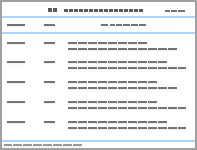
Table 1
Comparison of baseline data between two groups"
| 组别 | n | 性别(男/女)/n | 年龄/岁 | 受教育年限/年 |
|---|---|---|---|---|
| 对照组 | 9 | 6/3 | 52.00±5.60 | 12.00(7.5, 12.0) |
| PSA组 | 18 | 13/5 | 54.45±10.18 | 12.00(11.3, 16.0) |
| t/Z值 | 0.652 | -1.457 | ||
| P值 | 0.521 | 0.145 |
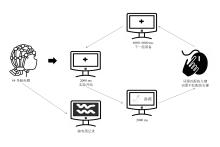
Figure 1
Schematic diagram of EEG signal acquisition under the word-picture matching task paradigm"

Table 2
Baseline CRRCAE scores of PSA group"
| 分项 | 评分 |
|---|---|
| 听理解 | 25.94±11.41 |
| 复述 | 19.00±8.87 |
| 说 | 11.83±11.96 |
| 出声读 | 14.72±9.89 |
| 阅读 | 25.72±10.69 |
| 抄写 | 6.89±4.90 |
| 描写 | 6.61±8.60 |
| 听写 | 4.22±5.47 |
| 计算 | 10.22±5.64 |
Table 3
Analysis of variance results for global efficiency"
| 频带 | 对照组匹配 | 对照组不匹配 | PSA组匹配 | PSA组不匹配 | F值 | P值 |
|---|---|---|---|---|---|---|
| α | 0.15±0.01 | 0.16±0.04 | 0.15±0.01 | 0.15±0.01 | 335.057 | < 0.001 |
| β | 0.15±0.01 | 0.24±0.01 | 0.15±0.01 | 0.16±0.01 | 187.889 | < 0.001 |
| δ | 0.15±0.01 | 0.25±0.01 | 0.16±0.01 | 0.15±0.01 | 23.919 | < 0.001 |
| γ | 0.16±0.01 | 0.24±0.01 | 0.16±0.01 | 0.16±0.01 | 22.289 | < 0.001 |
| θ | 0.15±0.01 | 0.24±0.01 | 0.15±0.01 | 0.15±0.01 | 287.066 | < 0.001 |
Table 4
ANOVA results for local efficiency"
| 频带 | 对照组匹配 | 对照组不匹配 | PSA组匹配 | PSA组不匹配 | F值 | P值 |
|---|---|---|---|---|---|---|
| α | 0.23±0.01 | 0.35±0.01 | 0.23±0.01 | 0.23±0.02 | 22.226 | < 0.001 |
| β | 0.24±0.02 | 0.34±0.01 | 0.23±0.02 | 0.24±0.02 | 95.089 | < 0.001 |
| δ | 0.23±0.02 | 0.35±0.01 | 0.24±0.02 | 0.23±0.02 | 23.709 | < 0.001 |
| γ | 0.24±0.01 | 0.35±0.01 | 0.24±0.02 | 0.25±0.02 | 136.412 | < 0.001 |
| θ | 0.23±0.02 | 0.35±0.01 | 0.23±0.02 | 0.22±0.02 | 146.919 | < 0.001 |
Table 5
ANOVA results for mean clustering coefficient"
| 频带 | 对照组匹配 | 对照组不匹配 | PSA组匹配 | PSA组不匹配 | F值 | P值 |
|---|---|---|---|---|---|---|
| α | 0.19±0.02 | 0.28±0.01 | 0.19±0.02 | 0.18±0.01 | 117.944 | < 0.001 |
| β | 0.20±0.02 | 0.28±0.01 | 0.19±0.02 | 0.20±0.02 | 69.851 | < 0.001 |
| δ | 0.19±0.02 | 0.29±0.01 | 0.20±0.02 | 0.19±0.02 | 23.557 | < 0.001 |
| γ | 0.20±0.01 | 0.29±0.01 | 0.20±0.02 | 0.20±0.02 | 92.498 | < 0.001 |
| θ | 0.18±0.01 | 0.28±0.01 | 0.18±0.02 | 0.18±0.02 | 113.326 | < 0.001 |
Table 6
Correlation analysis between global properties and language scales (r value)"
| 全局属性 | 条件 | 频带 | 听理解 | 复述 | 阅读 |
|---|---|---|---|---|---|
| 全局效率 | 匹配 | α | 0.479a | -0.307 | 0.643b |
| β | 0.379 | -0.421 | 0.511a | ||
| δ | 0.340 | -0.073 | 0.525a | ||
| γ | 0.249 | -0.340 | 0.444 | ||
| θ | 0.232 | -0.330 | 0.369 | ||
| 不匹配 | α | 0.496a | -0.336 | 0.628b | |
| β | 0.385 | -0.425 | 0.448 | ||
| δ | 0.023 | -0.186 | 0.244 | ||
| γ | 0.311 | -0.362 | 0.219 | ||
| θ | 0.198 | -0.401 | 0.428 | ||
| 局部效率 | 匹配 | α | 0.431 | -0.382 | 0.650b |
| β | 0.382 | -0.381 | 0.580a | ||
| δ | 0.311 | -0.028 | 0.474a | ||
| γ | 0.261 | -0.382 | 0.486a | ||
| θ | 0.260 | -0.500a | 0.360 | ||
| 不匹配 | α | 0.486a | -0.327 | 0.642b | |
| β | 0.367 | -0.385 | 0.522a | ||
| δ | 0.124 | -0.202 | 0.320 | ||
| γ | 0.249 | -0.419 | 0.216 | ||
| θ | 0.334 | -0.381 | 0.455 | ||
| 平均集群系数 | 匹配 | α | 0.382 | -0.318 | 0.636a |
| β | 0.297 | -0.400 | 0.547a | ||
| δ | 0.220 | 0.046 | 0.373 | ||
| γ | 0.224 | -0.406 | 0.454 | ||
| θ | 0.229 | -0.505a | 0.359a | ||
| 不匹配 | α | 0.418 | -0.350 | 0.555a | |
| β | 0.367 | -0.441 | 0.534a | ||
| δ | 0.035 | -0.166 | 0.256 | ||
| γ | 0.025 | -0.326 | 0.108 | ||
| θ | 0.319 | -0.418 | 0.413 |
Figure 2
Differences in functional connectivity of α-band between two groups"
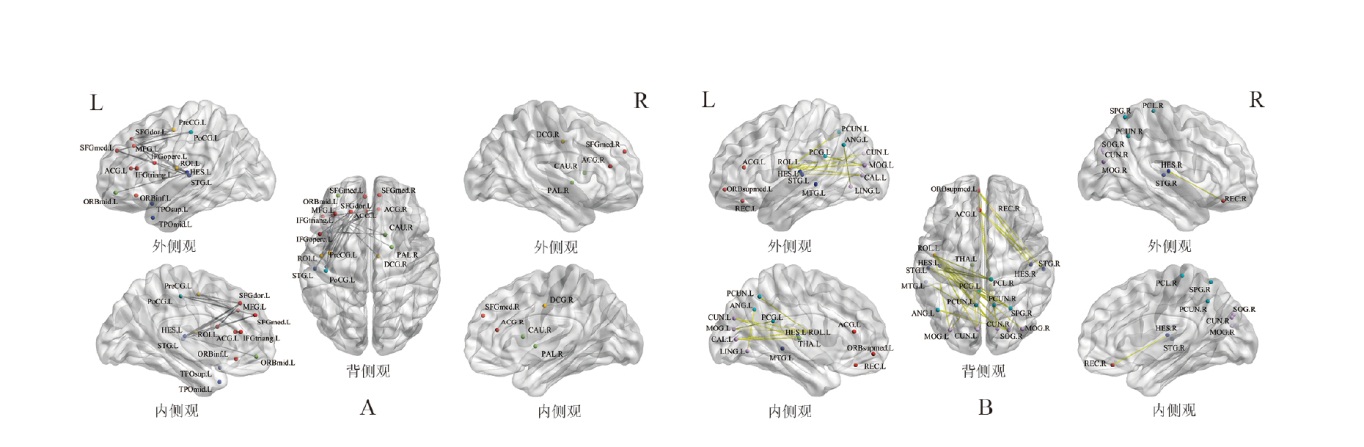
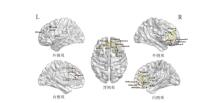
Figure 3
Differences in brain networks of β-band between two groups"
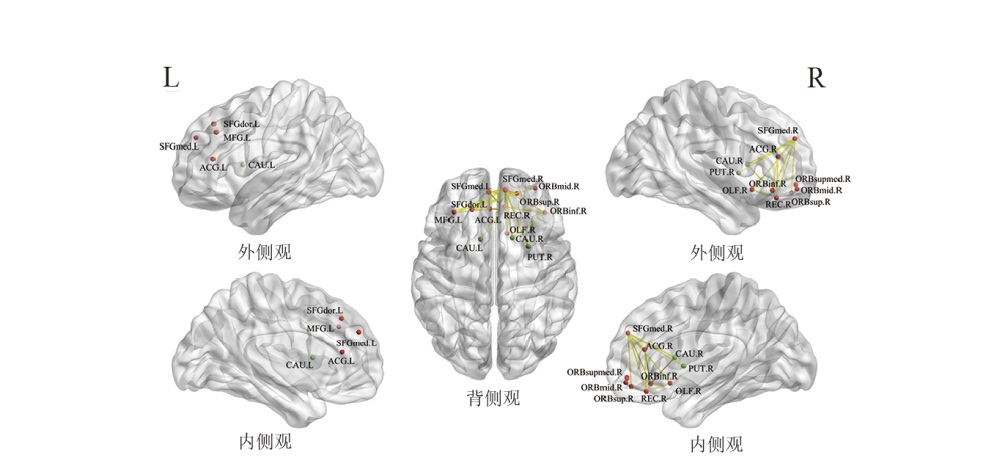
Figure 4
Differences in functional connectivity of θ-band between two groups"
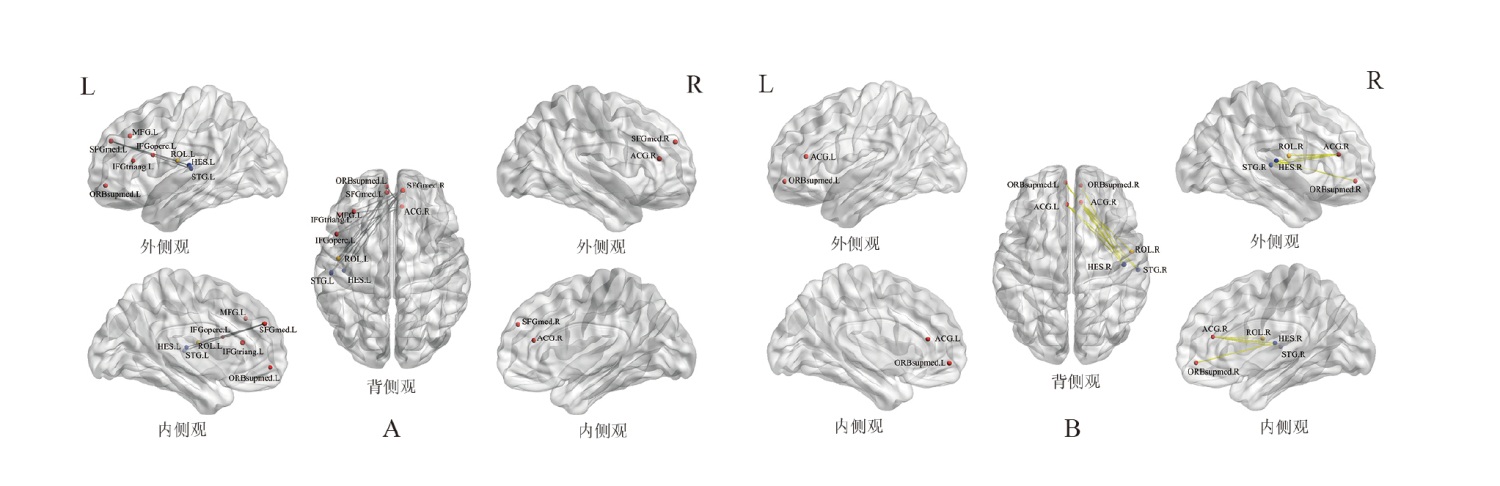
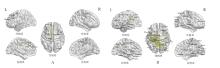
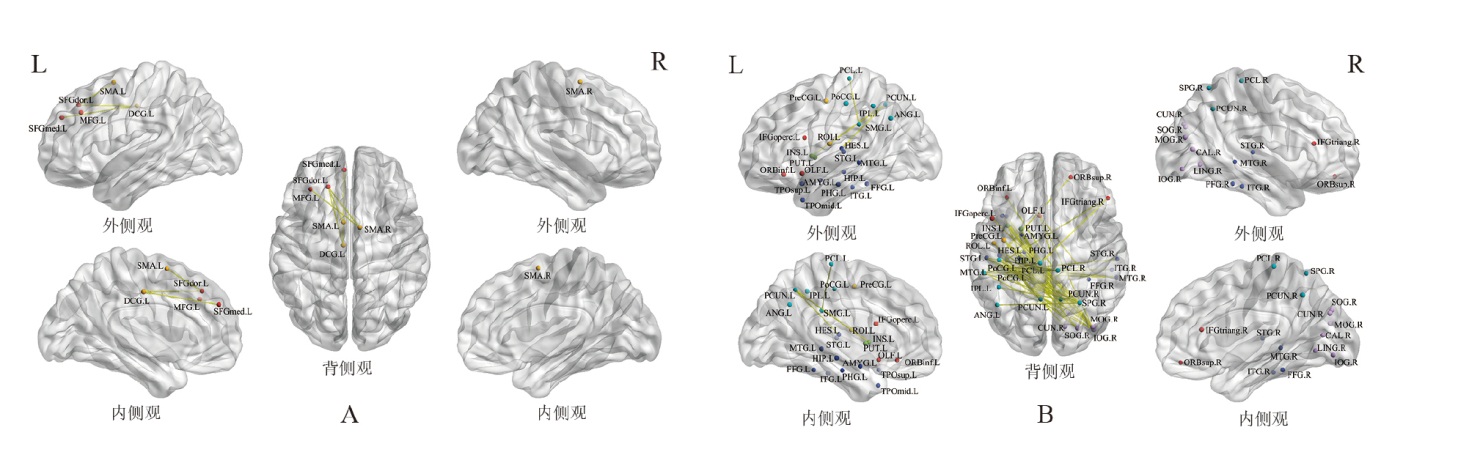
Figure 5
Differences in EEG functional connectivity between task and resting states in PSA group"
| [1] |
GINEX V, GILARDONE G, VIGANÒ M, et al. Interaction between recovery of motor and language abilities after stroke[J]. Arch Phys Med Rehabil, 2020, 101(8): 1367-1376.
doi: 10.1016/j.apmr.2020.04.010 |
| [2] |
FILIPSKA-BLEJDER K, ZIELIŃSKA J, ZIELIŃSKI M, et al. How does aphasia affect quality of life? Preliminary reports[J]. J Clin Med, 2023, 12(24): 7687.
doi: 10.3390/jcm12247687 |
| [3] |
KAO S K, CHAN C T. Increased risk of depression and associated symptoms in poststroke aphasia[J]. Sci Rep, 2024, 14(1): 21352.
doi: 10.1038/s41598-024-72742-z |
| [4] |
JIANG Z, KUHNKE P, STOCKERT A, et al. Dynamic reorganization of task-related network interactions in post-stroke aphasia recovery[J]. Brain, 2025, 148(10): 3563-3575.
doi: 10.1093/brain/awaf036 |
| [5] | 罗淇, 王霞, 姜孟. 脑功能网络分析在失语症诊疗中的应用:病理机制分析、临床诊断与疗效评价[J]. 山东大学学报(医学版), 2025, 63(8): 111-126. |
| LUO Q, WANG X, JIANG M. Application of functional brain network analysis in aphasia:insights into neuropathological mechanisms,clinical diagnosis,and assessment of therapeutic outcome[J]. J Shandong Univ (Health Sciences), 2025, 63(8): 111-126. | |
| [6] |
BABAEEGHAZVINI P, RUEDA-DELGADO L M, GOOIJERS J, et al. Brain structural and functional connectivity: a review of combined works of diffusion magnetic resonance imaging and electro-encephalography[J]. Front Hum Neurosci, 2021, 15: 721206.
doi: 10.3389/fnhum.2021.721206 |
| [7] |
SARMUKADAM K, BEHROOZMAND R. Aberrant beta-band brain connectivity predicts speech motor planning deficits in post-stroke aphasia[J]. Cortex, 2022, 155: 75-89.
doi: 10.1016/j.cortex.2022.07.001 pmid: 35973239 |
| [8] | 中华医学会神经病学分会, 中华医学会神经病学分会脑血管病学组, 中国各类主要脑血管病诊断要点2019[J]. 中华神经科杂志, 2019, 52(9): 710-715. |
| Chinese Society of Neurology, Chinese Stroke Society. Diagnostic criteria of cerebrovascular diseases in China (version 2019)[J]. Chin J Neurol, 2019, 52(9): 710-715. | |
| [9] |
常静玲, 张斌龙, 谭中建, 等. 基于汉语高频名词下词图匹配语义判断任务的设计与运用范式[J]. 中国康复理论与实践, 2018, 24(8): 917-923.
doi: 10.3969/j.issn.1006-9771.2018.08.010 |
| CHANG J L, ZHANG B L, TAN Z J, et al. Design and pilot study of word-picture matching semantic judgment task based on Chinese High frequency nouns[J]. Chin J Rehabil Theory Pract, 2018, 24(8): 917-923. | |
| [10] |
DELORME A, MAKEIG S. EEGLAB: an open source toolbox for analysis of single-trial EEG dynamics including independent component analysis[J]. J Neurosci Methods, 2004, 134(1): 9-21.
doi: 10.1016/j.jneumeth.2003.10.009 |
| [11] | OOSTENVELD R, FRIES P, MARIS E, et al. FieldTrip: Open source software for advanced analysis of MEG, EEG, and invasive electrophysiological data[J]. Comput Intell Neurosci, 2011, 2011: 156869. |
| [12] |
WANG J, WANG X, XIA M, et al. GRETNA: a graph theoretical network analysis toolbox for imaging connectomics[J]. Front Hum Neurosci, 2015, 9: 386.
doi: 10.3389/fnhum.2015.00386 pmid: 26175682 |
| [13] |
XIA M, WANG J, HE Y. BrainNet Viewer: a network visualization tool for human brain connectomics[J]. PLoS One, 2013, 8(7): e68910.
doi: 10.1371/journal.pone.0068910 |
| [14] | 李胜利, 肖兰, 田鸿, 等. 汉语标准失语症检查法的编制与常模[J]. 中国康复理论与实践, 2000, 6(4): 18-20, 49. |
| LI S L, XIAO L, TIAN H, et al. Introduction to Chinese Standard Aphasia Examination[J]. Chin J Rehabil Theory Pract, 2000, 6(4): 18-20, 49. | |
| [15] |
KOUTI M, ANSARI-ASL K, NAMJOO E. EEG dynamic source imaging using a regularized optimization with spatio-temporal constraints[J]. Med Biol Eng Comput, 2024, 62(10): 3073-3088.
doi: 10.1007/s11517-024-03125-9 |
| [16] |
PIAI V, OOSTENVELD R, SCHOFFELEN J M, et al. The impact of CSF-filled cavities on scalp EEG and its implications[J]. Psychophysiology, 2024, 61(10): e14624.
doi: 10.1111/psyp.v61.10 |
| [17] |
ZHENG K, JIANG C, XU Q, et al. A concentric ring microneedle electrode with low contact impedance for close sources laplacian EEG recording[J]. IEEE Trans Biomed Eng, 2025, 72(5): 1532-1541.
doi: 10.1109/TBME.2024.3511596 |
| [18] |
VATINNO A A, SIMPSON A, RAMAKRISHNAN V, et al. The prognostic utility of electroencephalography in stroke recovery: a systematic review and meta-analysis[J]. Neurorehabil Neural Repair, 2022, 36(4-5): 255-268.
doi: 10.1177/15459683221078294 |
| [19] |
KHAMECHIAN M B, DALIRI M R. Frequency modulation of cortical rhythmicity governs behavioral variability, excitability and synchrony of neurons in the visual cortex[J]. Sci Rep, 2022, 12(1): 20914.
doi: 10.1038/s41598-022-25264-5 pmid: 36463385 |
| [20] |
MENESSE G, TORRES J J. Information dynamics of in silico EEG brain waves: Insights into oscillations and functions[J]. PLoS Comput Biol, 2024, 20(9): e1012369.
doi: 10.1371/journal.pcbi.1012369 |
| [21] |
DIRANI J, PYLKKÄNEN L. The time course of cross-modal representations of conceptual categories[J]. Neuroimage, 2023, 277: 120254.
doi: 10.1016/j.neuroimage.2023.120254 |
| [22] |
ARRIGONI E, RAPPO E, PAPAGNO C, et al. Neural correlates of semantic interference and phonological facilitation in picture naming: a systematic review and coordinate-based meta-analysis[J]. Neuropsychol Rev, 2025, 35(1): 35-53.
doi: 10.1007/s11065-024-09631-9 |
| [23] |
秦天鹏, 生慧, 岳路, 等. 脑电信号情绪识别研究综述[J]. 计算机工程与应用, 2023, 59(15): 38-54.
doi: 10.3778/j.issn.1002-8331.2209-0429 |
|
QIN T P, SHENG H, YUE L, et al. Review of research on emotion recognition based on EEG signals[J]. Comput Eng Appl, 2023, 59(15): 38-54.
doi: 10.3778/j.issn.1002-8331.2209-0429 |
|
| [24] |
JUNKER F B, SCHMIDT-WILCKE T, SCHNITZLER A, et al. Temporal dynamics of oscillatory activity during nonlexical language decoding: evidence from Morse code and magnetoencephalography[J]. Hum Brain Mapp, 2023, 44(17): 6185-6197.
doi: 10.1002/hbm.26505 pmid: 37792277 |
| [25] |
NESS T, LANGLOIS V J, NOVICK J M, et al. Theta-band neural oscillations reflect cognitive control during language processing[J]. J Exp Psychol Gen, 2024, 153(9): 2279-2298.
doi: 10.1037/xge0001621 pmid: 39235889 |
| [26] |
DALTON S G H, CAVANAGH J F, RICHARDSON J D. Spectral resting-state EEG (rsEEG) in chronic aphasia is reliable, sensitive, and correlates with functional behavior[J]. Front Hum Neurosci, 2021, 15: 624660.
doi: 10.3389/fnhum.2021.624660 |
| [27] |
SNYDER D B, SCHMIT B D, HYNGSTROM A S, et al. Electroencephalography resting-state networks in people with stroke[J]. Brain Behav, 2021, 11(5): e02097.
doi: 10.1002/brb3.v11.5 |
| [28] |
SHAH-BASAK P, SIVARATNAM G, TETI S, et al. Electrophysiological connectivity markers of preserved language functions in post-stroke aphasia[J]. Neuroimage Clin, 2022, 34: 103036.
doi: 10.1016/j.nicl.2022.103036 |
| [29] |
ZALESKY A, FORNITO A, BULLMORE E T. Network-based statistic: identifying differences in brain networks[J]. Neuroimage, 2010, 53(4): 1197-1207.
doi: 10.1016/j.neuroimage.2010.06.041 pmid: 20600983 |
| [30] |
KOCSIS Z, JENISON R L, TAYLOR P N, et al. Immediate neural impact and incomplete compensation after semantic hub disconnection[J]. Nat Commun, 2023, 14(1): 6264.
doi: 10.1038/s41467-023-42088-7 pmid: 37805497 |
| [31] |
ZHU W, DENG S, JIANG H, et al. Application of diffusion tensor imaging in the diagnosis of post-stroke aphasia: a meta-analysis and systematic review[J]. Front Psychol, 2023, 14: 1140588.
doi: 10.3389/fpsyg.2023.1140588 |
| [32] |
RABINI G, UBALDI S, FAIRHALL S L. Task-based activation and resting-state connectivity predict individual differences in semantic capacity for complex semantic knowledge[J]. Commun Biol, 2023, 6(1): 1020.
doi: 10.1038/s42003-023-05400-1 pmid: 37813935 |
| [33] |
ROLLS E T, DECO G, HUANG C C, et al. Human amygdala compared to orbitofrontal cortex connectivity, and emotion[J]. Prog Neurobiol, 2023, 220: 102385.
doi: 10.1016/j.pneurobio.2022.102385 |
| [34] | LANCIEGO J L, OBESO J A. Functional neuroanatomy of the normal and pathological basal ganglia[J]. Cold Spring Harb Perspect Med, 2024: a041617. |
| [35] |
LEONARDS C A, HARRISON B J, JAMIESON A J, et al. A distinct intra-individual suppression subnetwork in the brain's default mode network across cognitive tasks[J]. Cereb Cortex, 2023, 33(8): 4553-4561.
doi: 10.1093/cercor/bhac361 |
| [36] |
GENG H, XU P, ALEMAN A, et al. Dynamic organization of large-scale functional brain networks supports interactions between emotion and executive control[J]. Neurosci Bull, 2024, 40(7): 981-991.
doi: 10.1007/s12264-023-01168-w pmid: 38261252 |
| [37] |
MEULENBERG C J W, REHFELD K, JOVANOVIĆ S, et al. Unleashing the potential of dance: a neuroplasticity-based approach bridging from older adults to Parkinson's disease patients[J]. Front Aging Neurosci, 2023, 15: 1188855.
doi: 10.3389/fnagi.2023.1188855 |
| [38] | ORPELLA J, FLICK G, ASSANEO M F, et al. Reactive inhibitory control precedes overt stuttering events[J]. Neurobiol Lang (Camb), 2024, 5(2): 432-453. |
| [39] |
HELL F, EIßNER A, MEHRKENS J H, et al. Subthalamic oscillatory activity during normal and impaired speech[J]. Clin Neurophysiol, 2023, 149: 42-50.
doi: 10.1016/j.clinph.2023.02.166 pmid: 36893498 |
| [40] |
ZHANG J, LI H, QU J, et al. Language proficiency is associated with neural representational dimensionality of semantic concepts[J]. Brain Lang, 2024, 258: 105485.
doi: 10.1016/j.bandl.2024.105485 |
| [41] |
GAO C, WU J, CHENG Y, et al. Continuous theta-burst stimulation demonstrates language-network-specific causal effects on syntactic processing[J]. Neuroimage, 2025, 306(2025): 121014.
doi: 10.1016/j.neuroimage.2025.121014 |
| [42] |
LI Z, ZHOU Z, WANG X, et al. Neural correlates of analogical reasoning on syntactic patterns[J]. J Cogn Neurosci, 2024, 36(5): 854-871.
doi: 10.1162/jocn_a_02115 |
| [43] |
樊瑞文, 李晓琳, 黄幸, 等. 基于语言双流模型的卒中后失语右脑功能网络研究[J]. 中国康复理论与实践, 2020, 26(5): 572-578.
doi: 10.3969/j.issn.1006-9771.2020.05.016 |
| FAN R W, LI X L, HUANG X, et al. Functional connectivities in right hemisphere for post-stroke aphasia: based on dual stream model[J]. Chin J Rehabil Theory Pract, 2020, 26(5): 572-578. | |
| [44] |
KUHNKE P, BEAUPAIN M C, AROLA J, et al. Meta-analytic evidence for a novel hierarchical model of conceptual processing[J]. Neurosci Biobehav Rev, 2023, 144: 104994.
doi: 10.1016/j.neubiorev.2022.104994 |
| [1] | LUO Dandan, SHEN Min, WANG Sujuan, QIU Wengxin, ZHANG Yuxuan, WU Yun, WANG Shengxiao. Characterisation of whole-brain resting-state functional connectivity in children with Chinese developmental dyslexia [J]. Chinese Journal of Rehabilitation Theory and Practice, 2025, 31(9): 1023-1031. |
| [2] | ZHANG Zihan, GUAN Jinzhi, HUANG Xing, ZHOU Li, ZHANG Yaxuan, ZHANG Mengyuan, CHANG Jingling. Characteristics of time-domain and time-frequency of Chinese word-picture matching task-related electroencephalogram in patients with post-stroke aphasia [J]. Chinese Journal of Rehabilitation Theory and Practice, 2025, 31(8): 947-957. |
| [3] | LI Xinlei, WEI Wei, SONG Jian, ZHAO Yuqing, KONG Weicheng, CAI Jiayu, SHI Haoran, XUE Xiehua. Application of resting-state electroencephalography in assessment of upper limb motor function of stroke patients [J]. Chinese Journal of Rehabilitation Theory and Practice, 2025, 31(4): 448-457. |
| [4] | CHEN Yuhang, YANG Yu'ai, LU Xuanyu, WANG Yuhang, ZHANG Mengyuan, ZHANG Zihan, WANG Huiying, CHANG Jingling. Spontaneous brain activity changes in post-stroke aphasia and post-stroke depression: a meta-analysis of resting state functional magnetic resonance imaging [J]. Chinese Journal of Rehabilitation Theory and Practice, 2025, 31(10): 1143-1155. |
| [5] | ZHAO Xinying, YU Fuda, WANG Hui, LI Xiaofeng, ZHANG Xiaodi, BAI Donger, LI Jiamin. Characteristics of electroencephalogram power spectrum in cerebral infarction of various sites and neurological deficit serverites [J]. Chinese Journal of Rehabilitation Theory and Practice, 2025, 31(10): 1188-1193. |
| [6] | CHEN Yuanyue, LI Jiabin, KUAI Feng, PENG Lili, XIANG Jie. Immediate effect of multi-chancel functional electrical stimulation combined with task-oriented training on brain functional network in stroke patients with upper limb hemiplegia [J]. Chinese Journal of Rehabilitation Theory and Practice, 2024, 30(4): 462-467. |
| [7] | HUANG Xing, CHANG Jingling, ZHANG Zihan, LI Ying. Characteristics of event-related potential and frequency on working memory of post-stroke aphasia [J]. Chinese Journal of Rehabilitation Theory and Practice, 2024, 30(3): 316-325. |
| [8] | LIU Dong, XU Zihan, LI Jiang, JU Ping. Effect of high-frequency repetitive transcranial magnetic stimulation in M1 region combined with dorsolateral prefrontal cortex on electroencephalogram θ frequency band amplitude of patients with neuropathic pain after spinal cord injury [J]. 《Chinese Journal of Rehabilitation Theory and Practice》, 2024, 30(1): 87-94. |
| [9] | WANG Haiyun, WANG Yin, ZHOU Xinjie, HE Aiqun. Effect of transcranial direct current stimulation combined with acupuncture on central and upper limb function in stroke patients based on central-peripheral-central theory [J]. 《Chinese Journal of Rehabilitation Theory and Practice》, 2023, 29(8): 919-925. |
| [10] | WANG Yan, JIN Longtao. Effect of acupuncture on children with attention deficit hyperactivity disorder [J]. 《Chinese Journal of Rehabilitation Theory and Practice》, 2023, 29(5): 615-620. |
| [11] | LUO Qihang, WU Yuxi, ZHANG Jiaxuan, LI Wanying, OU Haining, LIN Qiang, LIANG Junjie. Brain network during balance in older adults: a functional near-infrared spectroscopy study [J]. 《Chinese Journal of Rehabilitation Theory and Practice》, 2023, 29(2): 238-242. |
| [12] | TIAN Jing,LIU Jue,HE Zhijie,FAN Chenyu,LI Haozheng,YANG Qing,WU Yi,YU Kewei. Brain network functional connectivity as unilateral or bilateral upper limb training for patients with upper limb motor dysfunction after stroke: study with functional near-infrared spectroscopy [J]. 《Chinese Journal of Rehabilitation Theory and Practice》, 2022, 28(5): 497-501. |
| [13] | SHAN Xinying,YU Mengsun. Electroencephalogram power spectrum as motor imagery for lower limb amputees [J]. 《Chinese Journal of Rehabilitation Theory and Practice》, 2022, 28(11): 1360-1364. |
| [14] | ZHOU Yufan,XU Minjie,TAN Yihai,MA Ya'nan,REN Qiaosheng,CHEN Jian,ZHANG Qingsu,WANG Bo,HE Yi,CHANG Jingling. Characteristics of post-stroke aphasia structural damage based on structural covariance network [J]. 《Chinese Journal of Rehabilitation Theory and Practice》, 2022, 28(10): 1198-1204. |
| [15] | LIU Shaowen,WEI Conghui,SHAN Xinying,ZHANG Yan. Brain functional connectivity in lower limb amputees [J]. 《Chinese Journal of Rehabilitation Theory and Practice》, 2022, 28(1): 90-94. |
| Viewed | ||||||
|
Full text |
|
|||||
|
Abstract |
|
|||||
|
||
