



《Chinese Journal of Rehabilitation Theory and Practice》 ›› 2020, Vol. 26 ›› Issue (1): 1-14.doi: 10.3969/j.issn.1006-9771.2020.01.001
Previous Articles Next Articles
Received:2019-12-05
Published:2020-01-25
Online:2020-02-07
CLC Number:
"
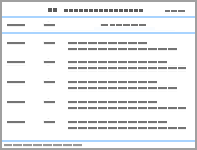
| 指南建议 | 指标 | |
|---|---|---|
| A. 康复服务应该整合到健康服务体系中 | 卫生部是负责康复服务的部门 | |
| B. 康复服务应该纳入初级、二级和三级健康服务系统之中和服务体系之间 | 提供康复服务的三级医院所占的百分比;提供康复服务的二级医院所占的百分比;初级卫生机构提供康复服务数量 | |
| C. 应当配备多学科的康复人力资源 | 国家有三种及以上种类的康复专业人员提供服务 | |
| D. 应既在社区也在医院提供康复服务 | 参考服务提供指南建议B | |
| E. 医院应该为有复杂需求的住院患者设置专门化康复单元 | 有专门化康复单元的医院所占的百分比 | |
| F. 应该将财政资源分配给康复服务单元以落实和支撑服务提供方面的指南建议 | 在健康预算中有专为康复设置的预算 | |
| G. 在有健康保险或可以获得健康保险服务的地方,应该覆盖康复服务 | 覆盖康复服务的健康保险政策所占的百分比 |
| [1] | World Health Organization. World Health Statistics 2016. Monitoring health for the SDGs[R]. Geneva: World Health Organization, 2016. |
| [2] | World Health Organization. World report on ageing and health[R]. Geneva: World Health Organization, 2015. |
| [3] |
Gosselin R, Spiel D A, Coughlin R, et al. Injuries: the neglected burden in developing countries[J]. Bull World Health Organ, 2009, 87:246.
doi: 10.2471/BLT.00.00000 |
| [4] | World Health Organization. Global status report on noncommunicable diseases 2010[R]. Geneva: World Health Organization, 2011. |
| [5] | World Health Organization. WHO Handbook for Guideline Development[M]. 2nd ed. Geneva: World Health Organization, 2014. |
| [6] | World Health Organization, World Bank. World report on disability[R]. Geneva: World Health Organization and The World Bank, 2011. |
| [7] | World Health Organization. Disability and rehabilitation status: review of disability issues and rehabilitation services in 29 African countries[R]. Geneva: World Health Organization, 2004. |
| [8] | Kamper S J, Apeldoorn A T, Chiarotto A, et al. Multidisciplinary biopsychosocial rehabilitation for chronic low back pain[J]. Cochrane Database Syst Rev, 2014, 9: CD000963. |
| [9] | Handoll H H, Cameron I D, Mak J C, et al. Multidisciplinary rehabilitation for older people with hip fractures[J]. Cochrane Database Syst Rev, 2009:CD007125. |
| [10] | Stroke Unit Trialists' Collaboration. Organised inpatient (stroke unit) care for stroke[J]. Cochrane Database Syst Rev, 2013, 9:CD000197. |
| [11] |
Li Y, Reinhardt J D, Gosney J E, et al. Evaluation of functional outcomes of physical rehabilitation and medical complications in spinal cord injury victims of the Sichuan earthquake[J]. J Rehabil Med, 2012, 44:534-540.
doi: 10.2340/16501977-1005 |
| [12] |
Siegert R J, Jackson D M, Playford E D, et al. A longitudinal, multicentre, cohort study of community rehabilitation service delivery in long-term neurological conditions[J]. BMJ Open, 2014, 4:e004231.
doi: 10.1136/bmjopen-2013-004231 |
| [13] |
Kurichi J E, Small D S, Bates B E, et al. Possible incremental benefits of specialized rehabilitation bed units among veterans after lower extremity amputation[J]. Med Care, 2009, 47:457-465.
doi: 10.1097/MLR.0b013e31818b08c6 pmid: 19238103 |
| [14] |
Smith M. Efficacy of specialist versus non-specialist management of spinal cord injury within the UK[J]. Spinal Cord, 2002, 40:10-16.
pmid: 11821964 |
| [15] |
Bachmann S, Finger C, Huss A, et al. Inpatient rehabilitation specifically designed for geriatric patients: systematic review and meta-analysis of randomised controlled trials[J]. BMJ, 2010, 340:c1718.
doi: 10.1136/bmj.c1718 |
| [16] | United Nations. Global survey of government actions on the implementation of the standard rules of the equalisation of opportunities for persons with disabilities[R]. Amman: South-North Centre for Dialogue and Development, Office of the United Nations Special Rapporteur on Disabilities, 2006. |
| [17] | World Health Organization. Health system financing. The path to universal coverage[R]. Geneva: World Health Organization, 2010. |
| [18] | World Health Organization. Community-based Rehabilitation: CBR Guidelines[M]. Geneva: World Health Organization, 2010. |
| [19] | United Nations. Sustainable development goals[EB/OL]. New York, NY: Sustainable Development Knowledge Platform, United Nations, 2015. [2016-04-14]. https://sustainabledevelopment.un.org/sdgs. |
| [20] | Ministry of Health and Child Care. Living conditions among persons with disability survey: key findings report[R]. Harare: Ministry of Health and Child Care, 2013. |
| [21] | Kamaleri Y, Eide A H. Living conditions among people with disabilities in Lesotho. A national representative study[R]. Oslo: SINTEF Technology and Society, 2011. |
| [22] | Eide A H, Kamaleri Y. Living conditions among people with disabilities in Mozambique: a national representative study[R]. Oslo: SINTEF Health Research, 2009. |
| [23] | Loeb M E, Eide A H. Living conditions among people with activity limitations in Malawi: a national representative study[R]. Oslo: SINTEF Health Research, 2004: 167. |
| [24] | Department for International Development. Disability, poverty and development[R]. London: Department for International Development, 2000. |
| [25] | Carande-Kulis V G, Stevens J, Beattie B L, et al. The business case for interventions to prevent fall injuries in older adults[J]. Inj Prev, 2010, 16(Suppl 1):A249. |
| [26] |
Nielsen P R, Andreasen J, Asmussen M, et al. Costs and quality of life for prehabilitation and early rehabilitation after surgery of the lumbar spine[J]. BMC Health Serv Res, 2008, 8:209.
doi: 10.1186/1472-6963-8-209 |
| [27] |
Oddy M, da Silva Ramos S. The clinical and cost-benefits of investing in neurobehavioural rehabilitation: a multi-centre study[J]. Brain Inj, 2013, 27:1500-1507.
doi: 10.3109/02699052.2013.830332 |
| [28] |
Turner-Stokes L. The evidence for the cost-effectiveness of rehabilitation following acquired brain injury[J]. Clin Med, 2004, 4:10-12.
pmid: 14998259 |
| [29] |
Radford K, Phillips J, Drummond A, et al. Return to work after traumatic brain injury: cohort comparison and economic evaluation[J]. Brain Inj, 2013, 27:507-520.
doi: 10.3109/02699052.2013.766929 |
| [30] | World Health Organization. WHO global disability action plan 2014-2021. Better health for all people with disability[A]. Geneva: World Health Organization, 2015. |
| [31] |
Chen C C, Heinemann A W, Bode R K, et al. Impact of pediatric rehabilitation services on children's functional outcomes[J]. Am J Occup Ther, 2004, 58:44-53.
doi: 10.5014/ajot.58.1.44 |
| [32] | Strauss J, Thomas D. Health over the life course[M] // Schulyz T P, Stauss J. Handbook of Developing Economies. London: Elsevier, 2007:3375-3474. |
| [33] |
Currie J, Vogl T. Early life health and adult circumstances in developing countries[J]. Annu Rev Econ, 2013, 5:1-36.
doi: 10.1146/annurev-economics-081412-103704 |
| [34] | Silow-Carroll S, Edwards J N, Lashbrook A. Reducing hospital readmissions: lessons from top-performing hospitals. Synreport report[R]. Washington DC: The Commonwealth Fund, 2011. |
| [35] |
Puhan M A, Scharplatz M, Troosters T, et al. Respiratory rehabilitation after acute exacerbation of COPD may reduce risks for readmission and mortality: a systematic review[J]. Respir Res, 2005, 6:54.
doi: 10.1186/1465-9921-6-54 |
| [36] |
Robison J, Wiles R, Ellis-Hill C, et al. Resuming previously valued activities post-stroke: who or what helps?[J]. Disabil Rehabil, 2009, 31:1555-1566.
doi: 10.1080/09638280802639327 pmid: 19479573 |
| [37] | Gillespie L D, Robertson M C, Gillespie W J, et al. Interventions for preventing falls in older people living in the community[J]. Cochrane Database Syst Rev, 2012: CD007146. |
| [38] | Day L, Hoareau E, Finch C, et al. Modelling the Impact, Costs and Benefits of Falls Prevention Measures to Support Policy-makers and Program Planners[M]. Melbourne: Monash University, 2009: 286. |
| [39] |
Turner-Stokes L. Cost-efficiency of longer-stay rehabilitation programmes: can they provide value for money?[J]. Brain Inj, 2007, 21:1015-1021.
doi: 10.1080/02699050701591445 |
| [40] |
Turner-Stokes L, Williams H, Bill A, et al. Cost-efficiency of specialist inpatient rehabilitation for working-aged adults with complex neurological disabilities. A multicentre cohort analysis of a national clinical dataset[J]. BMJ Open, 2016, 6:e010238.
doi: 10.1136/bmjopen-2015-010238 |
| [41] |
Turner-Stokes L, Paul S, Williams H. Efficiency of specialist rehabilitation in reducing dependency and costs of continuing care for adults with complex acquired brain injuries[J]. J Neurol Neurosurg Psychiatry, 2006, 77:634-639.
doi: 10.1136/jnnp.2005.073411 |
| [42] |
Howard-Wilsher S, Irvine L, Fan H, et al. Systematic overview of economic evaluations of health-related rehabilitation[J]. Disabil Health J, 2016, 9:11-25.
doi: 10.1016/j.dhjo.2015.08.009 pmid: 26440556 |
| [43] | Oliver D, Foot C, Humphries R. Making our health and care systems fit for an ageing population [R]. London: The King's Fund, 2014. |
| [44] | Convention on the Rights of Persons with Disabilities[EB/OL]. New York, NY: United Nations, 2006. [2016-04-15]. https://www.un.org/development/desa/disabilities/convention-on-the-rights-of-persons-with-disabilities.html. |
| [45] |
Frank A O, Chamberlain M A. Rehabilitation: an integral part of clinical practice[J]. Occup Med, 2006, 56:289-293.
doi: 10.1093/occmed/kql027 |
| [46] | World Health Organization. Declaration of Alma-Ata[R]. Geneva: World Health Organization, 1978. |
| [47] |
Stucki G, Cieza A, Melvin J. The International Classification of Functioning, Disability and Health: a unifying model for the conceptual description of the rehabilitation strategy[J]. J Rehabil Med, 2007, 39:279-285.
doi: 10.2340/16501977-0041 |
| [48] |
Meyer T, Gutenbrunner C, Bickenbach J, et al. Towards a conceptual description of rehabilitation as a health strategy[J]. J Rehabil Med, 2011, 43:765-769.
doi: 10.2340/16501977-0865 |
| [49] | World Health Organization. WHO global strategy on people-centred and integrated health services. Interim report[R]. Geneva: World Health Organization, 2015. |
| [50] | World Health Organization. People-centred and integrated health services: an overview of the evidence: interim report[R]. Geneva: World Health Organization, 2015. |
| [51] | World Health Organization. Increasing access to health workers in remote and rural areas through improved retention: global policy recommendations[R]. Geneva: World Health Organization, 2010. |
| [52] | World Health Organization. Everybody's business: strengthening health systems to improve health outcomes: WHO's framework for action[R]. Geneva: World Health Organization, 2007. |
| [53] | Alliance for Health Policy and Systems Research, World Health Organization. Systems thinking for health systems strengthening[R]. Geneva: Alliance for Health Policy and Systems Research and World Health Organization, 2009. |
| [54] |
Benvenuti F, Stuart M, Cappena V, et al. Community-based exercise for upper limb paresis: a controlled trial with telerehabilitation[J]. Neurorehabil Neural Repair, 2014, 28:611-620.
doi: 10.1177/1545968314521003 |
| [55] |
Beland F, Bergman H, Lebel P, et al. A system of integrated care for older persons with disabilities in Canada: results from a randomized controlled trial[J]. J Gerontol A Biol Sci Med Sci, 2006, 61:367-373.
doi: 10.1093/gerona/61.4.367 |
| [56] |
Fisher A, Savin-Baden M. The benefits of young people experiencing psychosis, and their families, of early intervention programme: evaluating a service from the consumers' and providers' perspectives[J]. Br J Occup Ther, 2001, 64:58-65.
doi: 10.1177/030802260106400202 |
| [57] |
Tedesco S, Citero V D A, Fantini Nogueira-Martins M C, et al. Perceptions of professional nurses about occupational therapy interventions in mental health at a university hospital[J]. Acta Paulista Enfermagem, 2011, 24:645-649.
doi: 10.1590/S0103-21002011000500008 |
| [58] |
Kamm C P, Schmid J P, Muri R M, et al. Interdisciplinary cardiovascular and neurologic outpatient rehabilitation in patients surviving transient ischemic attack or stroke with minor or no residual deficits[J]. Arch Phys Med Rehabil, 2014, 95:656-662.
doi: 10.1016/j.apmr.2013.10.013 |
| [59] |
Emery E E, Lapidos S, Eisenstein A R, et al. The BRIGHTEN program: implementation and evaluation of a program to bridge resources of an interdisciplinary geriatric health team via electronic networking[J]. Gerontologist, 2012, 52:857-865.
doi: 10.1093/geront/gns034 pmid: 22437330 |
| [60] |
Jessep S A, Walsh N E, Ratcliffe J, et al. Long-term clinical benefits and costs of an integrated rehabilitation programme compared with outpatient physiotherapy for chronic knee pain[J]. Physiotherapy, 2009, 95:94-102.
doi: 10.1016/j.physio.2009.01.005 pmid: 19627690 |
| [61] | Forster A, Young J, Lambley R, et al. Medical day hospital care for the elderly versus alternative forms of care[J]. Cochrane Database Syst Rev, 2008:CD001730. |
| [62] | Karjalainen K, Malmivaara A, van Tulder M, et al. Multidisciplinary biopsychosocial rehabilitation for subacute low back pain among working age adults[J]. Cochrane Database Syst Rev, 2003:CD002193. |
| [63] | Karjalainen K Malmivaara A, van Tulder M,, et al. Multidisciplinary biopsychosocial rehabilitation for neck and shoulder pain among working age adults[J]. Cochrane Database Syst Rev, 2003:CD002194. |
| [64] | Ng L, Khan F, Mathers S. Multidisciplinary care for adults with amyotrophic lateral sclerosis or motor neuron disease[J]. Cochrane Database Syst Rev, 2009:CD007425. |
| [65] | Turner-Stokes L, Pick A, Nair A, et al. Multi-disciplinary rehabilitation for acquired brain injury in adults of working age[J]. Cochrane Database Syst Rev, 2015, 12:CD004170. |
| [66] |
Lincoln N B, Walker M F, Dixon A, et al. Evaluation of a multiprofessional community stroke team: a randomized controlled trial[J]. Clin Rehabil, 2004, 18:40-47.
pmid: 14763718 |
| [67] |
Cullen D, Waite A, Oliver N, et al. Case management for the mentally ill: a comparative evaluation of client satisfaction[J]. Health Soc Care Community, 1997, 5:106-115.
doi: 10.1111/j.1365-2524.1997.tb00105.x |
| [68] |
Berry K. Psychology services in psychiatric rehabilitation: service user needs and staff perceptions[J]. Clin Psychol Psychother, 2007, 14:244-248.
doi: 10.1002/(ISSN)1099-0879 |
| [69] |
Gage H, Ting S, Williams P, et al. A comparison of specialist rehabilitation and care assistant support with specialist rehabilitation alone and usual care for people with Parkinson's living in the community: study protocol for a randomised controlled trial[J]. Trials, 2011, 12:250.
doi: 10.1186/1745-6215-12-250 |
| [70] | World Health Organization. Increasing access to health workers in remote and rural areas through improved retention: global policy recommendations[R]. Geneva: World Health Organization, 2010. |
| [71] |
Anderson C, Mhurchu C N, Rubenach S, et al. Home or hospital for stroke rehabilitation? Results of a randomized controlled trial: II: Cost minimization analysis at 6 months[J]. Stroke, 2000, 31:1032-1037.
pmid: 10797162 |
| [72] |
Fjaertoft H, Indredavik B, Lydersen S. Stroke unit care combined with early supported discharge: long-term follow-up of a randomized controlled trial[J]. Stroke, 2003, 34:2687-2691.
pmid: 14576376 |
| [73] | Kalra L, Evans A, Perez I, et al. A randomised controlled comparison of alternative strategies in stroke care[J]. Health Technol Assess, 2005, 9:iii-iv,1-79. |
| [74] |
Donnelly M, Power M, Russell M, et al. Randomized controlled trial of an early discharge rehabilitation service: the Belfast Community Stroke Trial[J]. Stroke, 2004, 35:127-133.
pmid: 14671238 |
| [75] | Taylor R S, Dalal H, Jolly K, et al. Home-based versus centre-based cardiac rehabilitation[J]. Cochrane Database Syst Rev, 2010:CD007130. |
| [76] | Jolliffe J A, Rees K, Taylor R S, et al. Exercise-based rehabilitation for coronary heart disease[J]. Cochrane Database Syst Rev, 2000:CD001800. |
| [77] |
Taylor R S, Brown A, Ebrahim S, et al. Exercise-based rehabilitation for patients with coronary heart disease: systematic review and meta-analysis of randomized controlled trials[J]. Am J Med, 2004, 116:682-692.
pmid: 15121495 |
| [78] | Taylor R S, Sagar V A, Davies E J, et al. Exercise-based rehabilitation for heart failure[J]. Cochrane Database Syst Rev, 2014, 4:CD003331. |
| [79] |
Wells K B, Jones L, Chung B, et al. Community-partnered cluster-randomized comparative effectiveness trial of community engagement and planning or resources for services to address depression disparities[J]. J Gen Intern Med, 2013, 28:1268-1278.
doi: 10.1007/s11606-013-2484-3 |
| [80] | Burns T, Knapp M, Catty J, et al. Home treatment for mental health problems: a systematic review[J]. Health Technol Assess, 2001, 5:1-139. |
| [81] |
Caplan G A, Coconis J, Board N, et al. Does home treatment affect delirium? A randomised controlled trial of rehabilitation of elderly and care at home or usual treatment (the REACH-OUT trial)[J]. Age Ageing, 2006, 35:53-60.
doi: 10.1093/ageing/afi206 |
| [82] |
Beswick A D, Rees K, Dieppe P, et al. Complex interventions to improve physical function and maintain independent living in elderly people: a systematic review and meta-analysis[J]. Lancet, 2008, 371:725-735.
doi: 10.1016/S0140-6736(08)60342-6 pmid: 18313501 |
| [83] |
Dixon S, Nancarrow S A, Enderby P M, et al. Assessing patient preferences for the delivery of different community-based models of care using a discrete choice experiment[J]. Health Expect, 2015, 18:1204-1214.
doi: 10.1111/hex.2015.18.issue-5 |
| [84] |
Gilbertson L, Langhorne P. Home-based occupational therapy: stroke patients' satisfaction with occupational performance and service provision[J]. Br J Occup Ther, 2000, 63:464-468.
doi: 10.1177/030802260006301002 |
| [85] |
Henderson C, Phelan M, Loftus L, et al. Comparison of patient satisfaction with community-based vs. hospital psychiatric services[J]. Acta Psychiatr Scand, 1999, 99:188-195.
doi: 10.1111/acp.1999.99.issue-3 |
| [86] |
Jester R, Hicks C. Using cost-effectiveness analysis to compare hospital at home and in-patient interventions. Part 2[J]. J Clin Nurs, 2003, 12:20-27.
doi: 10.1046/j.1365-2702.2003.00686.x |
| [87] | Solomon P, Marenko M O. Families of adults with severe mental illness: their satisfaction within patient and outpatient treatment[J]. Psychosoc Rehabil J, 1992, 16:121-134. |
| [88] |
Utens C M, Goossens L M, van Schayck O C, et al. Patient preference and satisfaction in hospital at-home and usual hospital care for COPD exacerbations: results of a randomised controlled trial[J]. Int J Nurs Stud, 2013, 50:1537-1549.
doi: 10.1016/j.ijnurstu.2013.03.006 |
| [89] |
Chatterjee S, Pillai A, Jain S, et al. Outcomes of people with psychotic disorders in a community-based rehabilitation programme in rural India[J]. Br J Psychiatry, 2009, 195:433-439.
doi: 10.1192/bjp.bp.108.057596 pmid: 19880934 |
| [90] |
Court H, Ryan B, Bunce C, et al. How effective is the new community-based Welsh low vision service?[J]. Br J Ophthalmol, 2011, 95:178-184.
doi: 10.1136/bjo.2010.179606 pmid: 20601662 |
| [91] |
Copolillo A, Ivanoff S D. Assistive technology and home modification for people with neurovisual deficits[J]. NeuroRehabilitation, 2011, 28:211-220.
doi: 10.3233/NRE-2011-0650 pmid: 21558627 |
| [92] | Wolfe D L, Hseih J T C, Mehta S. Rehabilitation practices and associated outcomes following spinal cord injury[M] // Eng J J, Teasell R W, Miller WC, et al. Spinal Cord Injury Rehabilitation Evidence, version 4.0. Vancouver, BC: The SCIRE Project; 2012. |
| [93] | Mossialos E, Dixon A. Funding health care: an introduction [M] // Mossialos E, Dixon A, Figueras J. Funding Health Care: Options for Europe. Buckingham: Open University Press, 2002:1-30. |
| [94] | World Health Organization. Health financing for universal coverage. What is universal coverage?[R]. Geneva: World Health Organization; 2016. |
| [95] |
Harvey R L, Roth E J, Heinemann A W, et al. Stroke rehabilitation: clinical predictors of resource utilization[J]. Arch Phys Med Rehabil, 1998, 79:1349-1355.
doi: 10.1016/S0003-9993(98)90226-X |
| [96] |
Brusco N K, Taylor N F, Watts J J, et al. Economic evaluation of adult rehabilitation: a systematic review and meta-analysis of randomized controlled trials in a variety of settings[J]. Arch Phys Med Rehabil, 2014, 95:94-116.
doi: 10.1016/j.apmr.2013.03.017 |
| [97] | Green A, Ali B, Ross D. Resource allocation and budgetary mechanisms for decentralized health systems: experiences from Balchistan, Pakistan[J]. Bull World Health Organ, 2000, 78:1024-1035. |
| [98] | Puhan M A, Gimeno-Santos E, Scharplatz M, et al. Pulmonary rehabilitation following exacerbations of chronic obstructive pulmonary disease[J]. Cochrane Database Syst Rev, 2011:CD005305. |
| [99] |
Ayanian J Z, Weissman J S, Schneider E C, et al. Unmet health needs of uninsured adults in the United States[J]. JAMA, 2000, 284:2061-2069.
doi: 10.1001/jama.284.16.2061 |
| [100] |
Lezzoni L, Frakt A B, Pizer S D. Uninsured persons with disability confront substantial barriers to health care services[J]. Disabil Health J, 2011, 4:238-244.
doi: 10.1016/j.dhjo.2011.06.001 |
| [101] |
Ross J S, Bradley E H, Busch S H. Use of health care services by lower-income and higher-income uninsured adults[J]. JAMA, 2006, 295:2027-2036.
doi: 10.1001/jama.295.17.2027 |
| [102] |
Kogan M D, Newacheck P W, Blumberg S J, et al. Underinsurance among children in the United States[J]. N Engl J Med, 2010, 363:841-851.
doi: 10.1056/NEJMsa0909994 |
| [103] |
Skinner A C, Mayer M L. Effects of insurance status on children's access to specialty care: a systematic review of the literature[J]. BMC Health Serv Res, 2007, 7:194.
doi: 10.1186/1472-6963-7-194 |
| [104] |
Buchanan R, Radin D, Chakravorty B J, et al. Perceptions of informal care givers: health and support services provided to people with multiple sclerosis[J]. Disabil Rehabil, 2010, 32:500-510.
doi: 10.3109/09638280903171485 pmid: 19852704 |
| [105] |
Jeffrey A E, Newacheck P W. Role of insurance for children with special health care needs: a synjournal of the evidence[J]. Pediatrics, 2006, 118:e1027-e1038.
doi: 10.1542/peds.2005-2527 |
| [106] | World Health Organization. Global cooperation on assistive technology[R]. Geneva: World Health Organization, 2016. |
| [107] | Borg J, Khasnabis C. Guidelines on the Provision of Manual Wheelchairs in Less-resourced Settings[M]. Geneva: World Health Organization, 2008. |
| [108] | World Health Organization. Scaling up health services: challenges and choices[R]. Geneva: World Health Organization, 2008. |
| [109] | World Health Organization. International Classification of Functioning, Disability and Health[M]. Geneva: World Health Organization, 2001. |
| [110] | Waddington C, Egger D. Integrated health services: what and why? (Technical Brief No. 1)[R]. Geneva: World Health Organization, Department of Health System Governance and Service Delivery, 2008. |
| [1] | QIAN Liguo, WU Tongxuan, ZHANG Qiaoyun, XING Jian, YANG Yanyan. Design and application effect of continuing education case library combined with case-based learning for rehabilitation therapists [J]. Chinese Journal of Rehabilitation Theory and Practice, 2026, 32(3): 249-257. |
| [2] | AN Le, QIN Xiaoxia, GU Bin, HU Guobing, TIAN Weiyi. A competency model for "dual-qualified" teachers in vocational undergraduate rehabilitation therapy programs based on the integration of rehabilitation competency framework and multi-source standards [J]. Chinese Journal of Rehabilitation Theory and Practice, 2026, 32(3): 258-269. |
| [3] | LIU Hua, WANG Liyuan, MA Xin, LI Jing, WANG Li. OBE-CDIO model of teaching for curriculum of exercise rehabilitation training [J]. Chinese Journal of Rehabilitation Theory and Practice, 2026, 32(3): 270-275. |
| [4] | LIU Xia, ZHANG Yuanmin, GE Shuhui, LIU Jinmei, SUN Chenming, WANG Yuanhui, LIU Jing, LI Wenfu. Cultivation mode of rehabilitation therapy talents in local colleges and universities under the background of New Medicine [J]. Chinese Journal of Rehabilitation Theory and Practice, 2026, 32(3): 276-285. |
| [5] | PU Xinyu, WANG Jingxuan, WANG Hujun, XIU Anda, WANG Yingpeng. Application of repetitive peripheral magnetic stimulation in rehabilitation therapy: a bibliometric analysis [J]. Chinese Journal of Rehabilitation Theory and Practice, 2026, 32(3): 304-316. |
| [6] | WU Shicai. Theoretical construction and practical exploration of rehabilitation ethics management [J]. Chinese Journal of Rehabilitation Theory and Practice, 2026, 32(2): 125-131. |
| [7] | HE Zhaonan, ZHANG Tingting, HE Zhaoke, MENG Lijun. Topic mining and content analysis of rehabilitation ethics research in China based on BERTopic model [J]. Chinese Journal of Rehabilitation Theory and Practice, 2026, 32(2): 132-141. |
| [8] | MENG Lijun. Challenges and reflections on ethical review of rehabilitation research for children with disabilities [J]. Chinese Journal of Rehabilitation Theory and Practice, 2026, 32(2): 142-150. |
| [9] | LI Shuiyan, LI Xiang, LI Yanhui, LU Yimeng, LI Dujuan, YANG Xiaoliang, XIE Qiuyou. Application of airway clearance techniques in critical care rehabilitation: a bibliometric analysis [J]. Chinese Journal of Rehabilitation Theory and Practice, 2026, 32(2): 162-173. |
| [10] | HUANG Ru, QIU Ziyu, CAI Dongxing, LU Xunwen, GAO Chaoquan. Effect of intelligent work simulation training combined with activity pacing on brain injury patients with headache [J]. Chinese Journal of Rehabilitation Theory and Practice, 2026, 32(2): 215-221. |
| [11] | Sports Rehabilitation Group, Committee of Rehabilitation Medicine Education, Chinese Association of Rehabilitation Medicine, QIAN Jinghua, LIAO Yuanpeng, WANG Lin, ZHANG Qiuxia, BAO Wenli, ZHANG Haifeng. Internship system for the undergraduate program in sports rehabilitation based on World Health Organization rehabilitation competency framework [J]. Chinese Journal of Rehabilitation Theory and Practice, 2026, 32(2): 241-248. |
| [12] | HAN Xuejiao, SHI Jipeng, WEI Jinpeng, ZHU Tianrui, XU Hongqi, HE Muhan. Association of physical activity and balance ability with disability: a cross-sectional study based on NHANES [J]. Chinese Journal of Rehabilitation Theory and Practice, 2026, 32(1): 1-12. |
| [13] | CHEN Jian, LI Zheheng, WANG Dingxuan. Current status of talent cultivation in sports rehabilitation in China: based on World Health Organization rehabilitation competency framework [J]. Chinese Journal of Rehabilitation Theory and Practice, 2026, 32(1): 110-116. |
| [14] | HU Long, YU Hang. Effect of summer short-term clinical practice teaching on empathy ability in rehabilitation therapy students [J]. Chinese Journal of Rehabilitation Theory and Practice, 2026, 32(1): 117-124. |
| [15] | ZHANG Jihui, YI Longyue, YANG Yuanbin. Associated factors of balance dysfunction and its correlation with functional lower limb muscle strength in middle-aged and older adults: an analysis based on CHARLS database [J]. Chinese Journal of Rehabilitation Theory and Practice, 2026, 32(1): 13-22. |
| Viewed | ||||||
|
Full text |
|
|||||
|
Abstract |
|
|||||
|
||
