



《Chinese Journal of Rehabilitation Theory and Practice》 ›› 2020, Vol. 26 ›› Issue (1): 93-97.doi: 10.3969/j.issn.1006-9771.2019.00.018
Previous Articles Next Articles
LIU Lan-qun1a,2( ),LI Hui-lan1a,2,CHEN Shuang1b,2,XU Ji-min1a,2
Received:2019-07-02
Revised:2019-08-05
Published:2020-01-25
Online:2020-02-07
Contact:
LIU Lan-qun
E-mail:liulanqun5@sina.com
Supported by:CLC Number:
LIU Lan-qun, LI Hui-lan, CHEN Shuang, XU Ji-min. Effects of Electroacupuncture at Zhongji and Guanyuan on Urge Urinary Incontinence after Stroke[J]. 《Chinese Journal of Rehabilitation Theory and Practice》, 2020, 26(1): 93-97.
"
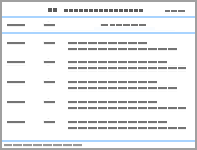
| 组别 | n | 性别(n) | 年龄(岁) | 病程(周) | 脑卒中类型(n) | ||
|---|---|---|---|---|---|---|---|
| 男 | 女 | 脑出血 | 脑梗死 | ||||
| 对照组 | 20 | 15 | 5 | 57.10±12.17 | 11.10±5.19 | 10 | 10 |
| 电针组 | 20 | 15 | 5 | 54.90±8.44 | 11.85±5.06 | 9 | 11 |
| χ2/t值 | – | -0.665 | 0.463 | 0.100 | |||
| P值 | – | 0.510 | 0.646 | 0.752 | |||
"
| 组别 | n | 治疗前 | 治疗后 | t值 | P值 |
|---|---|---|---|---|---|
| 对照组 | 17 | 40.88±6.29 | 34.94±5.49 | 9.388 | < 0.001 |
| 电针组 | 18 | 41.44±7.16 | 29.28±3.44 | 7.790 | < 0.001 |
| t值 | 0.246 | -3.677 | |||
| P值 | 0.807 | 0.001 |
"
| 组别 | n | 治疗前 | 治疗后 | t值 | P值 |
|---|---|---|---|---|---|
| 对照组 | 17 | 13.35±7.76 | 8.71±5.30 | 6.061 | < 0.001 |
| 电针组 | 18 | 14.72±8.13 | 1.39±2.55 | 7.871 | < 0.001 |
| t值 | 0.509 | -5.157 | |||
| P值 | 0.614 | < 0.001 |
"
| 组别 | n | 治疗前 | 治疗后 | t值 | P值 |
|---|---|---|---|---|---|
| 对照组 | 17 | 12.94±2.66 | 10.59±2.60 | 6.667 | < 0.001 |
| 电针组 | 18 | 12.78±2.96 | 8.50±1.34 | 6.573 | < 0.001 |
| t值 | -0.171 | -2.962 | |||
| P值 | 0.865 | 0.007 |
"
| 组别 | n | 治疗前 | 治疗后 | t值 | P值 |
|---|---|---|---|---|---|
| 对照组 | 17 | 115.39±18.61 | 132.90±22.72 | -8.195 | < 0.001 |
| 电针组 | 18 | 114.81±18.56 | 159.86±16.30 | -9.285 | < 0.001 |
| t值 | -0.092 | 4.050 | |||
| P值 | 0.927 | < 0.001 |
"
| 组别 | n | 治疗前 | 治疗后 | t值 | P值 |
|---|---|---|---|---|---|
| 对照组 | 17 | 6.12±2.57 | 4.76±1.89 | 4.770 | < 0.001 |
| 电针组 | 18 | 6.83±2.26 | 2.39±0.98 | 9.263 | < 0.001 |
| t值 | 0.877 | -4.633 | |||
| P值 | 0.387 | < 0.001 |
"
| 组别 | n | 治疗前 | 治疗后 | t值 | P值 |
|---|---|---|---|---|---|
| 对照组 | 17 | 231.76±56.15 | 252.35±49.82 | -6.104 | < 0.001 |
| 电针组 | 18 | 240.56±50.93 | 305.56±58.03 | -8.463 | < 0.001 |
| t值 | 0.486 | 2.902 | |||
| P值 | 0.630 | 0.007 |
"
| 组别 | n | 治疗前 | 治疗后 | t值 | P值 |
|---|---|---|---|---|---|
| 对照组 | 17 | 4.12±2.44 | 4.88±2.36 | -6.105 | < 0.001 |
| 电针组 | 18 | 4.12±1.72 | 8.25±3.42 | -7.958 | < 0.001 |
| t值 | 0.003 | 3.372 | |||
| P值 | 0.997 | 0.002 |
"
| 组别 | n | 治疗前 | 治疗后 | t值 | P值 |
|---|---|---|---|---|---|
| 对照组 | 17 | 66.18±23.71 | 59.53±24.07 | 4.052 | 0.001 |
| 电针组 | 18 | 65.44±22.13 | 41.50±14.23 | 8.093 | < 0.001 |
| t值 | -0.094 | -2.716 | |||
| P值 | 0.925 | 0.010 |
"
| 组别 | n | 治疗前 | 治疗后 | t值 | P值 |
|---|---|---|---|---|---|
| 对照组 | 17 | 45.29±17.85 | 36.71±16.18 | 4.904 | < 0.001 |
| 电针组 | 18 | 43.39±18.83 | 15.44±7.48 | 8.983 | < 0.001 |
| t值 | -0.307 | -4.943 | |||
| P值 | 0.761 | < 0.001 |
| [1] |
Patel M, Coshall C, Rudda G, et al. Natural history and effects on 2-year outcomes of urinary incontinence after stroke[J]. Stroke, 2001, 32(1):122-127.
pmid: 11136926 |
| [2] | 余曾芳, 陈琴, 黄曾, 等. 近5年针灸治疗脑卒中后尿失禁的研究进展概况[J]. 世界最新医学信息文摘, 2018, 18(34):82-83. |
| [3] | 何云燕, 邹媛. 脑卒中后尿失禁的治疗与护理现状[J]. 天津护理, 2018, 26(5):619-620. |
| [4] |
John G, Primmaz S, Crichton S, et al. Urinary incontinence and indwelling urinary catheters as predictors of death after new-onset stroke: a report of the South London Stroke Register[J]. J Stroke Cerebrovasc Dis, 2018, 27(1):118-124.
doi: 10.1016/j.jstrokecerebrovasdis.2017.08.018 |
| [5] |
Cai W, Wang J, Wang L, et al. Prevalence and risk factors of urinary incontinence for post-stroke inpatients in Southern China[J]. Neurourol Urodyn, 2015, 34(3):231-235.
doi: 10.1002/nau.v34.3 |
| [6] | Rotar M, Blagus R, Jeromel M, et al. Stroke patients who regain urinary continence in the first week after acute first-ever stroke have better prognosis than patients with persistent lower urinary tract dysfunction[J]. Neurourol Urodyn, 2011, 30(7):1315-1318. |
| [7] | 靳晶, 刘江华, 姜磊, 等. 深刺八髎穴配合艾灸治疗脑卒中后急迫性尿失禁临床观察[J]. 针灸临床杂志, 2016, 32(12):53-56. |
| [8] | 刘兰群, 李惠兰, 陈之罡, 等. 隔盐隔姜灸神阙穴治疗脑卒中后急迫性尿失禁的效果观察[J]. 中国康理论与实践, 2015, 21(4):475-478. |
| [9] | 刘兰群, 李惠兰. 神阙穴隔物灸治疗脑卒中后排尿障碍19例[J]. 中国针灸, 2015, 35(7):685-686. |
| [10] | 刘丛丛, 刘志顺. 针灸治疗急迫性尿失禁诊疗特点文献分析[J]. 针灸临床杂志, 2014, 30(6):58-61. |
| [11] | 尹平, 郑慧敏, 汤康敏, 等. 针灸治疗神经源性膀胱的临床研究进展[J]. 中医药导报, 2016, 22(17):62-65. |
| [12] | 国家中医药管理局脑病急症协作组. 中风病诊断与疗效评定标准[J]. 北京中医药大学学报, 1996, 19(1):55. |
| [13] | 中华医学会神经病学分会, 中华医学会神经病学分会脑血管病学组. 中国重症脑血管病管理共识2015[J]. 中华神经科杂志, 2016, 49(3):192-202. |
| [14] | 吴阶平. 泌尿外科学[M]. 济南: 山东科学技术出版社, 2004: 1249. |
| [15] | 王建六, 牟田, 蒋励, 等. 国际尿控学会第38届学术交流会会议纪要:尿失禁部分[J]. 中国妇产科临床杂志, 2009, 10(1):77-78. |
| [16] | 刘慧林, 王麟鹏. 隔姜隔盐灸治疗中风后排尿功能障碍对照研究[J]. 中国针灸, 2006, 26(9):621-623. |
| [17] |
Bates P, Bradley W E, Grefliths D, et al. Standardization of terminology of lower urinary tract function. First and second reports: International Continence Society[J]. Urology, 1977, 9(2):237-241.
doi: 10.1016/0090-4295(77)90207-2 |
| [18] | 李浩, 熊嘉玮. 近5年来针灸治疗中风后尿失禁临床研究概况[J]. 中国中医急症, 2016, 25(3):464-467. |
| [19] | Patrick C, Walsh M D, Alan B, et al. 坎贝尔泌尿外科学[M]. 郭应禄,周利群,译. 北京: 科学出版社, 2001: 1016-1017. |
| [20] | 石学敏. 针灸学[M]. 北京: 中国中医药出版社, 2010: 110-111. |
| [21] | 夏云, 娄必丹. 针灸治疗中风后尿失禁的选穴规律探讨[J]. 针灸临床杂志, 2016, 32(2):72-75. |
| [22] | 陈龙健, 蒙金葵. 艾灸关元和中极穴位解除骨科患者术后尿潴留的效果观察[J]. 护理实践与研究, 2014, 11(5):150-151. |
| [23] | 方武阳, 陈海艳. 电针联合隔盐灸治疗脑卒中后尿失禁临床观察[J]. 针灸临床杂志, 2016, 32(12):8-11. |
| [24] | 王存志, 任书文, 闫一团. 经皮穴位电刺激治疗脑卒中后急迫性尿失禁观察[J]. 中西医结合心脑血管病杂志, 2017, 15(3):376-379. |
| [25] | 陈斌, 黎娜, 沈慈敏, 等. 电针加手法针刺治疗肾虚型急迫性尿失禁临床研究[J]. 亚太传统医药, 2018, 14(4):151-153. |
| [26] | 刘婉, 包烨华, 楚佳梅. 热敏灸气海、关元、三阴交治疗脑卒中后尿失禁的疗效观察[J]. 浙江中医药大学学报, 2018, 42(12):1052-1055. |
| [27] | 邢雪连, 高晓珊, 王洪彬. 关元穴临床应用数据挖掘[J]. 河南中医, 2014, 34(12):2468-2469. |
| [28] | 贾政敏, 黄碧纯. 艾灸关元穴防治疾病的研究进展[J]. 国医论坛, 2015, 30(3):66-68. |
| [29] | 余娇凤, 林淑芳, 姚娟娟. 电针四神聪结合温针灸治疗中风后尿失禁临床研究[J]. 亚太传统医学, 2019, 15(2):132-135. |
| [30] | 励建安, 黄晓琳. 康复医学[M]. 北京: 人民卫生出版社, 2016: 239. |
| [31] | 周雨欣, 封海霞, 陆雪松, 等. 脑卒中后尿失禁相关因素的研究进展[J]. 现代医学, 2018, 46(12):1428-1432. |
| [32] | 付渊博. 针灸治疗脑卒中后尿失禁的若干思考[J]. 上海针灸杂志, 2016, 35(9):1133-1135. |
| [1] | ZHU Lili, ZHAO Jiaxin, CHENG Xue, WANG Huijuan, CHEN Xiaoxia. Experiences and needs of stroke patients during rehabilitation: a qualitative meta-synthesis [J]. Chinese Journal of Rehabilitation Theory and Practice, 2026, 32(3): 286-293. |
| [2] | LIU Ping, ZHOU Nan, XUE Xiaojie, SHAO Weibo. Application of rehabilitation therapy techniques for post-stroke dysphagia: a bibliometric analysis [J]. Chinese Journal of Rehabilitation Theory and Practice, 2026, 32(3): 294-303. |
| [3] | YANG Ling, WANG Qinglei, WANG Jie, XU Wenjie, WANG Tong, GUO Chuan, QIAN Xue. Activation patterns and mechanism in the prefrontal cortex of post-stroke anxiety patients: a study using functional near-infrared spectroscopy [J]. Chinese Journal of Rehabilitation Theory and Practice, 2026, 32(3): 329-336. |
| [4] | YUE Yuan, ZHANG Tong, LIU Yuanmin, WANG Ya'nan. Effect of lower extremity exoskeleton robots on balance and walking function of patients with post-stroke cerebellar ataxia [J]. Chinese Journal of Rehabilitation Theory and Practice, 2026, 32(1): 23-29. |
| [5] | WU Cheng, ZHANG Yunfeng, WANG Weining, YU Kewei, ZHANG Yanzheng, SHEN Jiarong, WU Yi. Effect of elbow-wrist functional orthosis on plantar pressure and balance function in stroke patients with hemiplegia [J]. Chinese Journal of Rehabilitation Theory and Practice, 2026, 32(1): 30-39. |
| [6] | ZHANG Junfeng, CHEN Hao, DU Yuzheng, LI Chen, YU Tao, YANG Yuanqing. Non-pharmacological management for post-stroke spasticity from 2004 to 2024: a bibliometric analysis [J]. Chinese Journal of Rehabilitation Theory and Practice, 2026, 32(1): 45-58. |
| [7] | GAO Kaixiang, LU Haitao. Research in neurorehabilitation from 2015 to 2024: a bibliometric analysis [J]. Chinese Journal of Rehabilitation Theory and Practice, 2026, 32(1): 59-68. |
| [8] | WEI Jingyi, WANG Xiaojing, WANG Ran, WEI Chen, MA Sai, LIU Xihua. Effect of acupuncture synchronized speech training on post-stroke motor aphasia [J]. Chinese Journal of Rehabilitation Theory and Practice, 2025, 31(9): 1000-1008. |
| [9] | WANG Xiaojing, WEI Jingyi, WEI Chen, WANG Ran, MA Sai, LIU Xihua. Effect of synchronous acupuncture and articulation training on spastic dysarthria after stroke [J]. Chinese Journal of Rehabilitation Theory and Practice, 2025, 31(9): 1009-1016. |
| [10] | ZHOU Xinyue, YE Ruixue, MA Yaqi, XU Ying, CAO Longyao, WANG Yulong. Researches on central post-stroke pain: a bibliometric analysis [J]. Chinese Journal of Rehabilitation Theory and Practice, 2025, 31(9): 1038-1049. |
| [11] | GAO Yunhan, HOU Shanshan, WANG Xinyu, ZHU Chongtian. Effect of brain-computer interface on upper limb motor dysfunction in stroke patients based on functional near-infrared spectroscopy [J]. Chinese Journal of Rehabilitation Theory and Practice, 2025, 31(9): 1066-1073. |
| [12] | GAO Fei, LIU Lixu, HU Xueyan, WU Xiaoli, YANG Lingyu, YANG Yuqi, YE Changqing, DU Xiaoxia. Effect of unilateral or bilateral transcranial direct current stimulation on post-stroke dysphagia [J]. Chinese Journal of Rehabilitation Theory and Practice, 2025, 31(9): 993-999. |
| [13] | ZHANG Ziang, CHEN Jing, SHEN Mengru, GENG Zongxiao, HAN Xue, ZHAO Xu, XU Lei. Comparison of effect of different types of exercise on gait and balance for stroke patients [J]. Chinese Journal of Rehabilitation Theory and Practice, 2025, 31(8): 896-905. |
| [14] | WANG Xiaofeng, HU Mengqiao, WANG Yan, WEI Kun, XU Wenzhu, REN Dan, MA Ye. Effect of exoskeleton robot-assisted gait training on lower limb function after stroke and spinal cord injury: a systematic review [J]. Chinese Journal of Rehabilitation Theory and Practice, 2025, 31(8): 914-921. |
| [15] | ZHANG Zihan, GUAN Jinzhi, HUANG Xing, ZHOU Li, ZHANG Yaxuan, ZHANG Mengyuan, CHANG Jingling. Characteristics of time-domain and time-frequency of Chinese word-picture matching task-related electroencephalogram in patients with post-stroke aphasia [J]. Chinese Journal of Rehabilitation Theory and Practice, 2025, 31(8): 947-957. |
| Viewed | ||||||
|
Full text |
|
|||||
|
Abstract |
|
|||||
|
||
