



Chinese Journal of Rehabilitation Theory and Practice ›› 2026, Vol. 32 ›› Issue (4): 426-436.doi: 10.3969/j.issn.1006-9771.2026.04.006
Previous Articles Next Articles
CHE Ruixin1, TANG Yongtian1, PAN Shiqin1( ), TONG Yaqian2
Received:2025-07-29
Revised:2026-01-07
Published:2026-04-25
Online:2026-05-06
Contact:
PAN Shiqin
E-mail:289662520@qq.com
Supported by:CLC Number:
CHE Ruixin, TANG Yongtian, PAN Shiqin, TONG Yaqian. Effect of transcutaneous electrical acupoint stimulation on chronic obstructive pulmonary disease: a meta-analysis[J]. Chinese Journal of Rehabilitation Theory and Practice, 2026, 32(4): 426-436.

Table 1
PICO framework"
| 人群(Population) | 干预(Intervention) | 比较(Comparison) | 结局(Outcome) |
|---|---|---|---|
| COPD患者 年龄不限 疾病分级不限 | TEAS治疗包括: 单一穴位电刺激 多穴位联合电刺激 干预时长不限 刺激参数不限 | 假刺激:在相同穴位部位贴电极但不通电流,告知患者操作可能无特殊感觉 单纯常规药物治疗:支气管扩张剂、糖皮质激素、抗生素等 联合运动训练对照:TEAS联合下肢运动训练 vs. 单纯下肢运动训练 | 肺功能指标:FEV1、FEV1/FVC、FEV1%、PEF 运动耐力:6MWT距离 临床症状:CAT评分 |
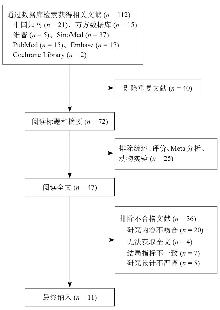
Figure 1
Flowchart of literature screening"
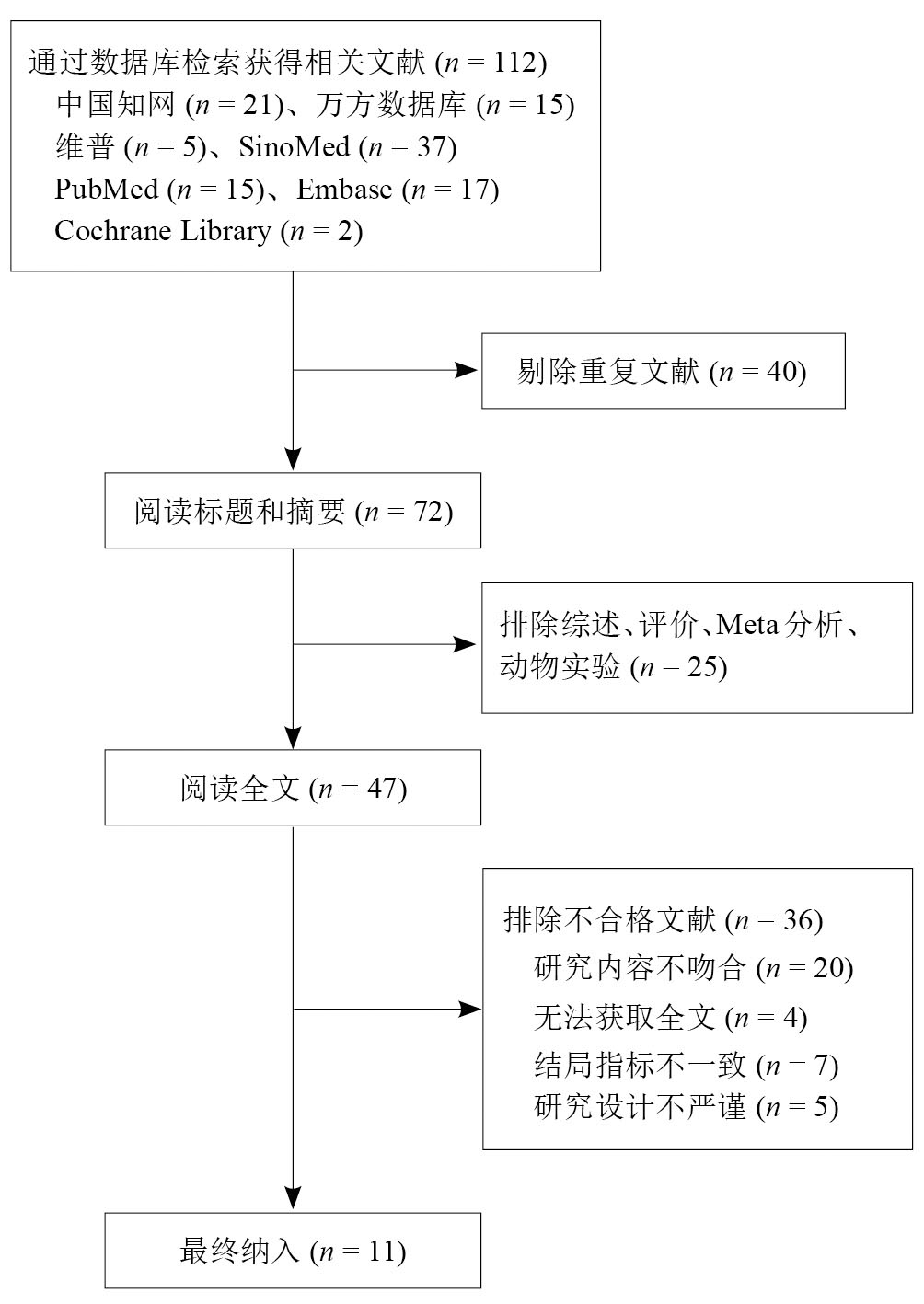
Table 2
Basic characteristics of included literatures"
| 纳入文献 | 疾病分期 | 性别(男/女)/n | 年龄/岁 | 对照组措施 | 试验组措施 | 干预参数 | 结局指标 | ||
|---|---|---|---|---|---|---|---|---|---|
| C | T | C | T | ||||||
| 寿依群等[ | 稳定期 | 4/11 | 6/9 | 70.0 ±9.2 | 68.3 ±10.2 | 同穴位贴电极但不通电流+常规治疗 | TEAS肺俞穴 | 频率:4 Hz 波宽:200 μs 强度:患者可耐受最大值 频次:每次40 min,每天1次,共4周 | ①②③ |
| 李姝等[ | 稳定期 | 17/13 | 20/13 | 61.29 ±7.12 | 62.38 ±7.52 | 同穴位贴电极但不通电流+常规治疗 | TEAS肺俞、肾俞、定喘、足三里 | 频率:2 Hz 频次:每次40 min,隔天1次,共4周 | ②④⑤⑥ |
| 王芳等[ | 急性加重期 | 19/16 | 18/17 | 62.36 ±8.69 | 63.97 ±8.61 | 单纯常规药物治疗(支气管扩张剂、糖皮质激素等) | TEAS丰隆、足三里、肺俞、脾俞、膻中、大椎、太渊、定喘、中府 | 强度:局部肌肉轻度跳动患者可耐受 频次:每次30 min,每天1次,连续7 d | ①④ |
| 谷静等[ | 稳定期 | 15/15 | 17/13 | 59.57 ±4.98 | 61.23 ±5.72 | 下肢运动训练每次30 min,每周3次,共4周 | TEAS定喘、肺俞、肾俞、足三里,下肢运动训练同对照组 | 频率:2 Hz 强度:患者可耐受最大值 频次:每次40 min,每周3次,共4周 | ①④⑤⑥ |
| 谢德娟等[ | 稳定期 | 20/15 | 24/11 | 63.5 ±12.4 | 63.5 ±10.7 | 肺俞、中府相邻区域给予TEAS+常规治疗 | TEAS肺俞、中府 | 频率:100 Hz 波宽:200 μs 强度:患者可耐受最大值 频次:每次20 min,每天1次,连续10 d | ①④⑤ |
| Lau等[ (2008) | 稳定期 | 12/11 | 19/4 | 73.7 ±6.8 | 77.5 ±6.5 | 同穴位贴电极但不通电流+常规治疗 | TEAS定喘穴 | 频率:4 Hz 脉宽:200 μs 强度:患者可耐受最大值 频次:每次45 min,单次 | ① |
| Fernández-Jané等[ | 急性加重期 | 6/2 | 5/6 | 71.3 ±3.4 | 62.4 ±7.7 | 同穴位贴电极但不通电流+常规治疗 | TEAS定喘穴 | 频率:2 Hz 脉宽:200 μs 强度:患者可耐受最大值 频次:每次45 min,每天1次,至出院 | ③ |
| Jones等[ (2011) | 稳定期 | 14/8 | 11/11 | 69.3 ±2.4 | 69.0 ±2.3 | 同穴位贴电极但不通电流+常规治疗 | TEAS定喘穴 | 频率:2 Hz 脉宽:200 μs 频次:每次45 min,单次 | ①③ |
| Ngai等[ (2010) | 稳定期 | 10/0 | 9/1 | 69.7 ±2.4 | 73.8 ±2.0 | 同穴位贴电极但不通电流+常规治疗 | TEAS定喘穴 | 频率:2 Hz 脉宽:200 μs 频次:每次45 min,每天1次,共4周 | ①⑤ |
| Liu等[ | 稳定期 | 15/10 | 10/15 | 66.4 ±9.36 | 66.04 ±8.815 | 多穴位贴电极但不通电+常规治疗 | TEAS肺俞、肾俞、定喘、足三里 | 频率:2 Hz 频次:每次40 min,每2天1次,共4周 | ②⑤⑥ |
| Öncü等[ | 急性加重期 | 26/9 | 28/7 | 66.5 ±5.8 | 66.9 ±6.2 | 同穴位贴电极但不通电流+常规治疗 | TEAS定喘、列缺穴 | 频率:4 Hz 脉宽:200 μs 强度:患者可耐受最大值 频次:每次45 min,每天1次,共20次 | ① |
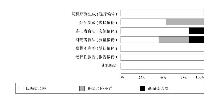
Figure 2
Risk of bias"
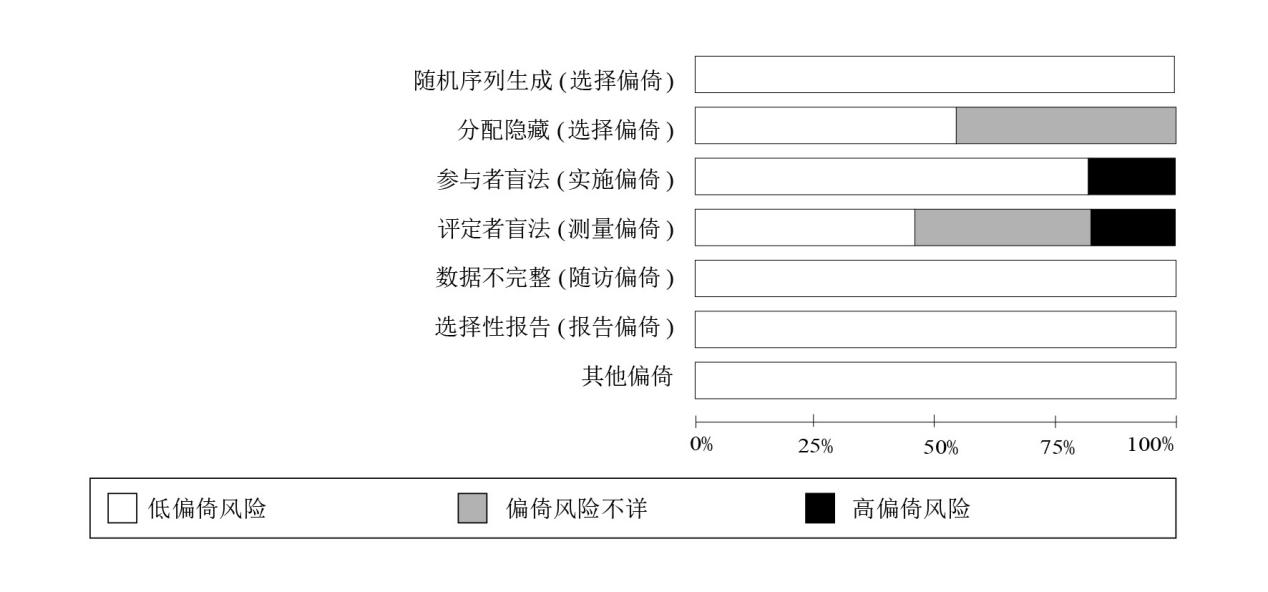
Figure 3
Bias assessment of included literatures"
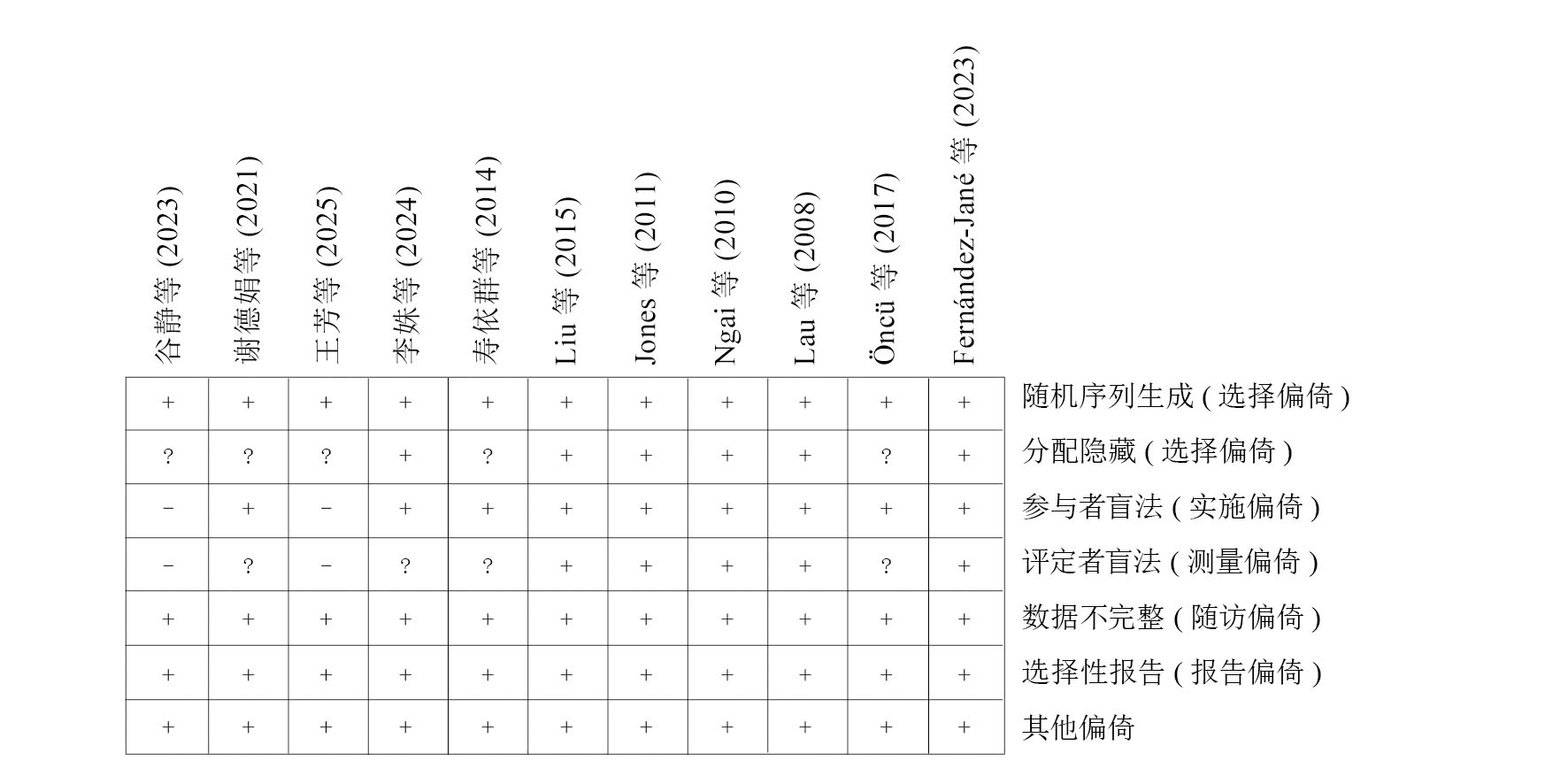
Table 3
Scores of PEDro scale of included literatures"
| 纳入文献 | 明确的纳入与排除标准 | 随机分配 | 分配隐藏 | 基线相似 | 研究对象盲 | 治疗师盲 | 评估者盲 | 失访率< 15% | 意向性治疗 | 组间统计分析 | 点测量和差异值 | 总分 |
|---|---|---|---|---|---|---|---|---|---|---|---|---|
| 寿依群等[ | √ | √ | √ | √ | √ | √ | √ | 6 | ||||
| 李姝等[ | √ | √ | √ | √ | √ | √ | √ | √ | 7 | |||
| 王芳等[ | √ | √ | √ | √ | √ | √ | 5 | |||||
| 谷静等[ | √ | √ | √ | √ | √ | √ | 5 | |||||
| 谢德娟等[ | √ | √ | √ | √ | √ | √ | √ | 6 | ||||
| Lau等[ | √ | √ | √ | √ | √ | √ | √ | √ | √ | √ | 9 | |
| Fernández-Jané[ | √ | √ | √ | √ | √ | √ | √ | √ | 7 | |||
| Jones等[ | √ | √ | √ | √ | √ | √ | √ | √ | √ | √ | 9 | |
| Ngai等[ | √ | √ | √ | √ | √ | √ | √ | √ | √ | 8 | ||
| Liu等[ | √ | √ | √ | √ | √ | √ | √ | √ | √ | √ | 9 | |
| Öncü等[ | √ | √ | √ | √ | √ | √ | √ | 6 |
Table 4
Results of meta-analysis"
| 结局指标 | 纳入研究数/n | 异质性检验 | Meta分析结果 | 效应模型 | ||
|---|---|---|---|---|---|---|
| I2值 | P值 | MD (95%CI) | P值 | |||
| FEV1 | 8[ | 77.7% | < 0.001 | 0.19(0.08, 0.29) | < 0.001 | 随机效应模型 |
| FEV1/FVC | 4[ | 0% | 0.395 | 5.15(4.21,6.09) | < 0.001 | 固定效应模型 |
| FEV1% | 3[ | 0% | 0.359 | 8.46(5.71,11.22) | < 0.001 | 固定效应模型 |
| PEF | 3[ | 0% | 0.589 | 0.18(0.05,0.31) | 0.006 | 固定效应模型 |
| 6MWT | 5[ | 90.1% | < 0.001 | 25.97(7.88,44.05) | 0.005 | 随机效应模型 |
| CAT | 3[ | 0% | 0.546 | -3.6(-4.81,-2.40) | < 0.001 | 固定效应模型 |
Table 5
FEV1 results of subgroup analysis"
| 亚组分类 | 纳入研究数 | 异质性检验 | Meta分析结果 | 效应模型 | |||
|---|---|---|---|---|---|---|---|
| I2值 | P值 | MD (95%CI) | P值 | ||||
| 疾病阶段 | 稳定期 | 6[ | 56.1% | 0.044 | 0.17(0.09,0.25) | < 0.001 | 随机效应模型 |
| 急性加重期 | 2[ | 87.7% | 0.004 | 0.21(-0.25,0.66) | 0.379 | 随机效应模型 | |
| 干预类型 | 安慰剂对照组 | 5[ | 0% | 0.581 | 0.12(0.08,0.16) | < 0.001 | 固定效应模型 |
| 常规疗法联合干预组 | 3[ | 9.2% | 0.332 | 0.36(0.28,0.44) | < 0.001 | 固定效应模型 | |
| 穴位选择 | 多穴位联合 | 4[ | 66% | 0.032 | 0.29(0.14,0.43) | < 0.001 | 随机效应模型 |
| 单一穴位 | 4[ | 0% | 0.659 | 0.12(0.08,0.17) | < 0.001 | 固定效应模型 | |
| 干预时间 | 单次干预组 | 2[ | 35.3% | 0.214 | 0.12(0.07,0.17) | < 0.001 | 固定效应模型 |
| 短期干预组(1~2周) | 2[ | 49.6% | 0.159 | 0.37(0.27,0.47) | < 0.001 | 固定效应模型 | |
| 长期干预组(3~4周) | 4[ | 62.6% | 0.046 | 0.16(0.01,0.31) | 0.037 | 随机效应模型 | |
| [1] |
王凤燕, 张冬莹, 梁振宇, 等. 面向全科医生的«慢性阻塞性肺疾病诊治指南(2021年修订版)»解读[J]. 中国全科医学, 2021, 24(29): 3660-3663.
doi: 10.12114/j.issn.1007-9572.2021.01.304 |
| WANG F Y, ZHANG D Y, LIANG Z Y, et al. Interpretation of Guideline for the Diagnosis and Treatment of COPD (2021 revision) for general practitioners[J]. Chin Gener Pract, 2021, 24(29): 3660-3663. | |
| [2] |
BOERS E, BARRETT M, SU J G, et al. Global burden of chronic obstructive pulmonary disease through 2050[J]. JAMA Netw Open, 2023, 6(12): e2346598.
doi: 10.1001/jamanetworkopen.2023.46598 |
| [3] |
HALPIN D M G. Mortality of patients with COPD[J]. Expert Rev Respir Med, 2024, 18(6): 381-395.
doi: 10.1080/17476348.2024.2375416 |
| [4] |
PARK S C, KIM D W, PARK E C, et al. Mortality of patients with chronic obstructive pulmonary disease: a nationwide population based cohort study[J]. Korean J Intern Med, 2019, 34(6): 1272-1278.
doi: 10.3904/kjim.2017.428 |
| [5] | SAFIRI S, CARSON-CHAHHOUD K, NOORI M, et al. Burden of chronic obstructive pulmonary disease and its attributable risk factors in 204 countries and territories, 1990-2019: results from the Global Burden of Disease Study 2019 [J]. BMJ, 2022, 378: e69679. |
| [6] | 李雪萍, 王凤燕, 梁振宇, 等. 2025年慢性阻塞性肺疾病全球倡议解读[J]. 中国临床新医学, 2025, 18(2): 113-119. |
| LI X P, WANG F Y, LIANG Z Y, et al. Interpretation of Global Initiative for Chronic Obstructive Lung Disease 2025[J]. Chin J New Clin Med, 2025, 18(2): 113-119. | |
| [7] |
MIRAVITLLES M, AULADELL-RISPAU A, MONTEAGUDO M, et al. Systematic review on long-term adverse effects of inhaled corticosteroids in the treatment of COPD[J]. Eur Respir Rev, 2021, 30(160): 210075.
doi: 10.1183/16000617.0075-2021 |
| [8] |
SMITH D, GILL A, HALL L, et al. Prevalence, pattern, risks factors and consequences of antibiotic resistance in COPD: a systematic review[J]. COPD, 2021, 18(6): 672-682.
doi: 10.1080/15412555.2021.2000957 |
| [9] | 邓嘉, 李力. «慢性阻塞性肺疾病伴肺曲霉病诊治和管理专家共识»解读[J]. 中国临床新医学, 2025, 18(2): 120-124. |
| DENG J, LI L. Interpretation of expert consensus on the diagnosis and treatment of pulmonary aspergillosis in patients with chronic obstructive pulmonary disease[J]. Chin J New Clin Med, 2025, 18(2): 120-124. | |
| [10] | 何孟霖, 胡澄, 田伟千. 经皮穴位电刺激在围手术期的应用[J]. 针刺研究, 2021, 46(9): 800-803. |
| HE M L, HU C, TIAN W Q. Application of transcutaneous electrical acupoint stimulation in perioperative period[J]. Acupunct Res, 2021, 46(9): 800-803. | |
| [11] | 李莹飔, 方娟, 陈采益, 等. 经皮穴位电刺激镇痛机制及应用的研究进展[J]. 中国医药导报, 2023, 20(1): 61-64. |
| LI Y S, FANG J, CHEN C Y, et al. Research progress on analgesic mechanism and application of transcutaneous electrical acupoint stimulation[J]. Chin Med Herald, 2023, 20(1): 61-64. | |
| [12] | 周黄超. 经皮穴位电刺激治疗慢性阻塞性肺疾病临床疗效的Meta分析[D]. 南昌: 南昌大学, 2018. |
| ZHOU H C. Effects of transcutaneous electrical acupoint stimulationon patients with chronic obstructive pulmonary disease: a meta-analysis[D]. Nanchang: Nanchang University, 2018. | |
| [13] |
NGAI S P C, SPENCER L M, JONES A Y M, et al. Acu-TENS reduces breathlessness during exercise in people with chronic obstructive pulmonary disease[J]. Evid Based Complement Alternat Med, 2017, 2017: 3649257.
doi: 10.1155/ecam.v2017.1 |
| [14] | 肖雄, 李姝, 王燕, 等. 经皮穴位电刺激对慢性阻塞性肺疾病患者急性加重风险的影响[J]. 针刺研究, 2021, 46(7): 598-604. |
| XIAO X, LI S, WANG Y, et al. Effect of transcutaneous electrical acupoint stimulation on lung function and risks of exacerbation for patients with chronic obstructive pulmonary disease[J]. Acupunct Res, 2021, 46(7): 598-604. | |
| [15] |
TSAI C, LAN C, WU C, et al. Acupuncture point stimulation treatments combined with conventional treatment in chronic obstructive pulmonary disease: a systematic review and network meta-analysis[J]. Front Med, 2021, 8: 586900.
doi: 10.3389/fmed.2021.586900 |
| [16] | 寿依群, 葛慧青, 戴泽宁, 等. 肺俞穴经皮电神经刺激对慢性阻塞性肺疾病患者肺功能及诱导痰肿瘤坏死因子-α浓度的影响[J]. 中华物理医学与康复杂志, 2014, 36(9): 705-708. |
| SHOU Y Q, GE H Q, DAI Z N, et al. The effects of transcutaneous electrical nerve stimulation on pulmonary function, airflow, dyspnea, exercise capacity and TNF-α levels in patients with pulmonary obstruction[J]. Chin J Phys Med Rehabil, 2014, 36(9): 705-708. | |
| [17] | 李姝, 张霞, 肖雄, 等. 经皮神经穴位电刺激对COPD稳定期患者临床疗效、肺功能及急性加重风险的影响[J]. 四川中医, 2024, 42(11): 207-212. |
| LI S, ZHANG X, XIAO X, et al. Effect of transcutaneous electrical nerve point stimulation on clinical outcome, lung function and risk of acute exacerbation in patients with stable COPD[J]. J Sichuan Tradit Chin Med, 2024, 42(11): 207-212. | |
| [18] | 王芳, 马欢欢, 俞建红, 等. 经皮穴位电刺激联合常规药物治疗慢性阻塞性肺疾病急性加重痰浊壅肺证的疗效观察及对肺功能、血清炎性因子的影响[J]. 中国中医药科技, 2025, 32(1): 86-89. |
| [19] | 谷静, 朱黎明, 彭艳萍, 等. 经皮穴位电刺激联合下肢运动训练在COPD患者肺康复中的应用[J]. 热带医学杂志, 2023, 23(9): 1198-1202, 1211. |
| GU J, ZHU L M, PENG Y P, et al. The application of transcutaneous electrical acupoint stimulation combined withlower limb exercise training in pulmonary rehabilitation of COPD patients[J]. J Trop Med, 2023, 23(9): 1198-1202, 1211. | |
| [20] | 谢德娟, 李小宏. 俞募配穴结合TENS治疗COPD的临床效果研究[J]. 中国实用医药, 2021, 16(21): 175-177. |
| [21] |
LAU K S L, JONES A Y M. A single session of Acu-TENS increases FEV1 and reduces dyspnoea in patients with chronic obstructive pulmonary disease: a randomised, placebo-controlled trial[J]. Aust J Physiother, 2008, 54(3): 179-184.
pmid: 18721121 |
| [22] | FERNÁNDEZ-JANÉ C, VILARÓ J, COSTA-TUTUSAUS L. Acupoint transcutaneous electrical nerve stimulation in hospitalized COPD patients with severe dyspnoea: a randomized controlled trial[J]. J Evid Based Integr Med, 2023, 28: 2515690X231198308. |
| [23] | JONES A Y M, NGAI S P C, HUI-CHAN C W Y, et al. Acute effects of acu-TENS on FEV1 and blood beta-endorphin level in chronic obstructive pulmonary disease[J]. Altern Ther Health Med, 2011, 17(5): 8-13. |
| [24] |
NGAI S P, JONES A Y, HUI-CHAN C W, et al. Effect of 4 weeks of acu-TENS on functional capacity and beta-endorphin level in subjects with chronic obstructive pulmonary disease: a randomized controlled trial[J]. Respir Physiol Neurobiol, 2010, 173(1): 29-36.
doi: 10.1016/j.resp.2010.06.005 pmid: 20601209 |
| [25] |
LIU X, FAN T, LAN Y, et al. Effects of transcutaneous electrical acupoint stimulation on patients with stable chronic obstructive pulmonary disease: a prospective, single-blind, randomized, placebo-controlled study[J]. J Altern Complement Med, 2015, 21(10): 610-616.
doi: 10.1089/acm.2014.0284 |
| [26] |
ÖNCÜ E, ZINCIR H. The effect of transcutaneous electrical nerve stimulation in patients with acute exacerbation of chronic obstructive pulmonary disease: randomised controlled trial[J]. J Clin Nurs, 2017, 26(13-14): 1834-1844.
doi: 10.1111/jocn.13450 pmid: 27325551 |
| [27] |
JONES P W, BEEH K M, CHAPMAN K R, et al. Minimal clinically important differences in pharmacological trials[J]. Am J Respir Crit Care Med, 2014, 189(3): 250-255.
doi: 10.1164/rccm.201310-1863PP |
| [28] |
HOLLAND A E, HILL C J, RASEKABA T, et al. Updating the minimal important difference for six-minute walk distance in patients with chronic obstructive pulmonary disease[J]. Arch phys Med Rehabil, 2010, 91(2): 221-225.
doi: 10.1016/j.apmr.2009.10.017 |
| [29] |
KAKAVAS S, KOTSIOU O S, PERLIKOS F, et al. Pulmonary function testing in COPD: looking beyond the curtain of FEV1[J]. NPJ Prim Care Respir Med, 2021, 31(1): 23.
doi: 10.1038/s41533-021-00236-w |
| [30] |
陈典, 隆寰宇, 张丛溪, 等. 2025年GOLD慢性阻塞性肺疾病诊断、治疗、管理及预防全球策略更新要点解读[J]. 中国全科医学, 2025, 28(16): 1937-1949.
doi: 10.12114/j.issn.1007-9572.2024.0588 |
| CHEN D, LONG H Y, ZHANG C X, et al. Treatment, Interpretation of Global Strategy for the Diagnosis, Management and Prevention of Chronic Obstructive Pulmonary Disease 2025 Report[J]. Chin Generl Pract, 2025, 28(16): 1937-1949. | |
| [31] | 黄晓旗, 白利杰, 沈聪, 等. 慢性阻塞性肺疾病患者双气相CT扫描平均肺密度与肺功能的相关性研究[J]. 西安交通大学学报(医学版), 2019, 40(2): 178-181. |
| HUANG X Q, BAI L J, SHEN C, et al. Correlation between mean lung density and lung function test in patients with chronic obstructive pulmonary disease by dual phase CT[J]. J Xi'an Jiaotong Univ (Med Sci), 2019, 40(2): 178-181. | |
| [32] |
BAILEY K L. The importance of the assessment of pulmonary function in COPD[J]. Med Clin N Am, 2012, 96(4): 745-752.
doi: 10.1016/j.mcna.2012.04.011 |
| [33] |
WEI Y, YUAN N, DONG Y, et al. Transcutaneous electrical nerve stimulation over acupoint for chronic obstructive pulmonary disease: a systematic review and meta-analysis[J]. Front Public Health, 2022, 10: 937835.
doi: 10.3389/fpubh.2022.937835 |
| [34] | 王彩云, 苏景超, 张新芳, 等. 电针对慢性阻塞性肺疾病大鼠肺神经内分泌细胞及神经活性物质分泌的影响[J]. 针刺研究, 2022, 47(4): 305-313. |
| WANG C Y, SU J C, ZHANG X F, et al. Effect of electroacupuncture on pulmonary neuroendocrine cells and secretion of neuroactive substances in lung of COPD rats[J]. Acupunct Res, 2022, 47(4): 305-313. | |
| [35] | 曹庆, 苗青, 廖星, 等. 基于数据挖掘的穴位贴敷治疗慢性阻塞性肺疾病稳定期选穴规律分析[J]. 中国中药杂志, 2020, 45(22): 5356-5361. |
| CAO Q, MIAO Q, LIAO X, et al. Analysis of acupoint selection of plaster therapy in treatment of stable chronicobstructive pulmonary disease based on data mining[J]. Chin J Chin Materia Medica, 2020, 45(22): 5356-5361. | |
| [36] |
YANG L, ZHOU D, CAO J, et al. Revealing the biological mechanism of acupuncture in alleviating excessive inflammatory responses and organ damage in sepsis: a systematic review[J]. Front Immunol, 2023, 14: 1242640.
doi: 10.3389/fimmu.2023.1242640 |
| [37] | 刘娜, 王林凤, 李一帆, 等. 电针通过迷走神经调控肺泡巨噬细胞极化对慢性阻塞性肺疾病小鼠肺部炎症的影响[J]. 南京中医药大学学报, 2025, 41(10): 1356-1364. |
| LIU N, WANG L F, LI Y F, et al. Electroacupuncture modulates alveolar macrophage polarization via the vagus nerve to alleviate pulmonary inflammation in a mouse model of chronic obstructive pulmonary disease[J]. J Nanjing Univ Tradit Chin Med, 2025, 41(10): 1356-1364. | |
| [38] | 王婷婷, 周立志, 任涛, 等. 电针联合百令胶囊治疗慢性阻塞性肺疾病稳定期疗效观察及对血清PTX3、5-HT、NF-κB的影响[J]. 上海针灸杂志, 2021, 40(7): 820-825. |
| WANG T T, ZHOU L Z, REN T, et al. Observation on the efficacy of electroacupuncture combined with Bailing capsules in treating stable chronic obstructive pulmonary disease and its effects on serum PTX3, 5-HT, and NF-κB[J]. Shanghai J Acu-mox, 2021, 40(7): 820-825. | |
| [39] |
MATKOVIC Z, CVETKO D, RAHELIC D, et al. Nutritional status of patients with chronic obstructive pulmonary disease in relation to their physical performance[J]. COPD, 2017, 14(6): 626-634.
doi: 10.1080/15412555.2017.1386643 pmid: 29099635 |
| [40] | 王世豪, 王至婉. 慢性阻塞性肺疾病呼吸肌疲劳的康复锻炼研究进展[J]. 护理研究, 2021, 35(20): 3641-3646. |
| WANG S H, WANG Z W. Research progress on rehabilitation exercise for respiratory muscle fatigue in patients with chronicobstructive pulmonary disease[J]. Chin Nurs Res, 2021, 35(20): 3641-3646. | |
| [41] |
PATEL N. An update on COPD prevention, diagnosis, and management: the 2024 GOLD Report[J]. Nurse Pract, 2024, 49(6): 29-36.
doi: 10.1097/01.NPR.0000000000000180 pmid: 38941078 |
| [42] | 李媛媛, 陈良玉, 孙培莉. CAT评分联合指脉氧监测在慢性阻塞性肺病管理中的应用价值[J]. 南京医科大学学报(自然科学版), 2020, 40(1): 77-81. |
| LI Y Y, CHEN L Y, SUN P L. The application value of COPD Assessment Test (CAT) and monitoring oxygen saturationin management of patients with chronic obstructive pulmonary disease[J]. J Nanjing Med Univ (Nat Sci), 2020, 40(1): 77-81. | |
| [43] |
KON S S C, CANAVAN J L, JONES S E, et al. Minimum clinically important difference for the COPD Assessment Test: a prospective analysis[J]. Lancet Respir Med, 2014, 2(3): 195-203.
doi: 10.1016/S2213-2600(14)70001-3 |
| [44] | 刘微, 聂赛美, 王小溪, 等. 穴位埋线治疗慢性阻塞性肺疾病的临床选穴规律及机制探讨[J]. 中国医药导报, 2025, 22(16): 139-143. |
| LIU W, NIE S M, WANG X X, et al. Clinical acupoint selection rules and mechanism of acupoint catgut embedding for chronic obstructive pulmonary disease[J]. Chin Med Herald, 2025, 22(16): 139-143. | |
| [45] | 李尹, 张新芳, 刘自兵, 等. 电针对慢性阻塞性肺疾病大鼠肺泡巨噬细胞M1极化的影响[J]. 针刺研究, 2020, 45(3): 173-179. |
| LI Y, ZHANG X F, LIU Z B, et al. Effect of electroacupuncture on pulmonary function and M1 polarization of alveolar macrophages in rats with chronic obstructive pulmonary disease[J]. Acupunct Res, 2020, 45(3): 173-179. | |
| [46] | 秦中银, 陈盼碧, 唐徐韵, 等. 针刺调节丝裂原活化蛋白激酶通路影响哮喘大鼠肺组织嗜酸性粒细胞凋亡的机制研究[J]. 针刺研究, 2022, 47(8): 690-695. |
| QIN Z Y, CHEN P B, TANG X Y, et al. Acupuncture affects the apoptosis of eosinophilic granulocytes in lung tissue of asthmatic rats by regulating the p38MApK signaling pathway[J]. Acupunct Res, 2022, 47(8): 690-695. |
| [1] | ZHANG Wenjing, LI Hao, YUAN Jiajia, HU Huaining. Effect of tele-supervised home-based pulmonary music therapy on chronic obstructive pulmonary disease [J]. Chinese Journal of Rehabilitation Theory and Practice, 2026, 32(3): 337-344. |
| [2] | QI Li, ZHANG Lei, QI Yi, FENG Lijun, LIU Dongmei, MA Huina. Effect of cardiopulmonary rehabilitation exercise on old patients with chronic obstructive pulmonary disease and chronic heart failure [J]. Chinese Journal of Rehabilitation Theory and Practice, 2026, 32(2): 191-197. |
| [3] | DU Wenqian, ZHANG Xu, CHEN Jiwei, WANG Xing, ZHU Kun. Effect of exercise on freezing of gait in Parkinson's disease: a meta-analysis [J]. Chinese Journal of Rehabilitation Theory and Practice, 2025, 31(7): 781-789. |
| [4] | YANG Yicheng, WANG Dandan, SHEN Qunce, ZHANG Lei, WU Xueping. Effect of exercise on cancer patients with anxiety and depression during chemotherapy: a meta-analysis [J]. Chinese Journal of Rehabilitation Theory and Practice, 2025, 31(2): 184-193. |
| [5] | ZHU Airong, LIU Peihao, GUO Jing, GUAN Tingyu, CHEN Xizhu, CAI Shining, HU Yan, ZHANG Yuxia. Motor-cognitive dual-task training for cognitive function in patients with Parkinson's disease: a meta-analysis [J]. Chinese Journal of Rehabilitation Theory and Practice, 2025, 31(12): 1376-1384. |
| [6] | LIU Dongfei, YAN Huiyi, YANG Fan, ZHANG Shuai. Effect of exercise interventions on multidimensional health outcomes in children and adolescents with Down syndrome: a meta-analysis [J]. Chinese Journal of Rehabilitation Theory and Practice, 2025, 31(12): 1398-1413. |
| [7] | ZHAO Wen, WANG Can, LI Liwen. Effect of comprehensive respiratory training using action research method on old patients with chronic obstructive pulmonary disease [J]. Chinese Journal of Rehabilitation Theory and Practice, 2025, 31(12): 1464-1471. |
| [8] | ZHANG Hao, XU Chuanlei, WEI Zhenxing, MA Lihong. Comparison of different virtual reality technologies on motor function in Parkinson's disease: a network meta-analysis [J]. Chinese Journal of Rehabilitation Theory and Practice, 2025, 31(11): 1290-1302. |
| [9] | MAO Tao, YOU Maolin. Effect of exercise on respiratory function in Parkinson's disease: a meta-analysis [J]. Chinese Journal of Rehabilitation Theory and Practice, 2025, 31(11): 1303-1313. |
| [10] | CHEN Yuhang, YANG Yu'ai, LU Xuanyu, WANG Yuhang, ZHANG Mengyuan, ZHANG Zihan, WANG Huiying, CHANG Jingling. Spontaneous brain activity changes in post-stroke aphasia and post-stroke depression: a meta-analysis of resting state functional magnetic resonance imaging [J]. Chinese Journal of Rehabilitation Theory and Practice, 2025, 31(10): 1143-1155. |
| [11] | YANG Sanxia, LIU Qingluan, WAN Jiamin. Regional differences in brain activation after music intervention for Alzheimer's disease: a meta-analysis of functional magnetic resonance imaging [J]. Chinese Journal of Rehabilitation Theory and Practice, 2025, 31(10): 1156-1163. |
| [12] | ZHAO Yingnan, ZHENG Xintong, LIU Junling, WANG Zidan, WU Hongyue, LI Bing, LI Yan. Effect of threshold inspiratory muscle training on pulmonary rehabilitation in postoperative lung cancer patients: a meta-analysis [J]. Chinese Journal of Rehabilitation Theory and Practice, 2025, 31(10): 1164-1171. |
| [13] | GONG Ping, DOU Yingru, DAI Xuemei, JIANG Xueping, WU Meifang, JIANG Fan. Psychological experiences and care needs of elderly patients with chronic obstructive pulmonary disease following dysphagia: a qualitative research [J]. Chinese Journal of Rehabilitation Theory and Practice, 2025, 31(1): 117-124. |
| [14] | WEN Yanfei, YANG Lu, BAN Yue, Ykabaru Daniela BERBESI NORIEGA, ZHANG Haoqi, WANG Li, LIU Hua. Effect of exercise therapy on chronic nonspecific neck pain: a meta-analysis based on ICF [J]. Chinese Journal of Rehabilitation Theory and Practice, 2024, 30(7): 778-788. |
| [15] | LÜ Meiling, WANG Jie, ZENG Weisi, WEN Xiaoting, CHU Xin. Effect of virtual reality on cognitive function and quality of life in patients with Parkinson's disease: a meta-analysis [J]. Chinese Journal of Rehabilitation Theory and Practice, 2024, 30(6): 648-656. |
| Viewed | ||||||
|
Full text |
|
|||||
|
Abstract |
|
|||||
|
||
