



Chinese Journal of Rehabilitation Theory and Practice ›› 2026, Vol. 32 ›› Issue (5): 497-507.doi: 10.3969/j.issn.1006-9771.2026.05.001
Previous Articles Next Articles
JIANG Jingyuan, WANG Guoxiang( )
Received:2026-03-30
Published:2026-05-25
Online:2026-05-26
Contact:
WANG Guoxiang
E-mail:kwang63@163.com
Supported by:CLC Number:
JIANG Jingyuan, WANG Guoxiang. Theoretical framework and optimization path of rehabilitation fitness and sports services for people with disabilities from the perspective of the World Health Organization health service system[J]. Chinese Journal of Rehabilitation Theory and Practice, 2026, 32(5): 497-507.

Table 1
Core elements of standardization construction of rehabilitation sports service system for people with disabilities"
| WHO健康服务体系六大要素 | 康复健身体育服务核心要素 | 核心要素的内涵范畴 |
|---|---|---|
| 领导力与治理能力 | 康复健身体育政策法规 | 制定部署康复健身体育政策、法律、指南和战略计划 完善康复健身体育政策法规制定与部署的流程 明确组织部门的统筹协调和职能赋权 |
| 筹资 | 康复健身体育经费保障 | 制定康复健身体育经费的融资和收缴计划 制定经费支出的预算、福利和支付标准 |
| 健康人力资源 | 康复健身体育人力资源 | 制定高校康复健身体育专业人才培养计划 建立健全课程体系、知识体系、考核体系 加强资格认证,疏通就业上升通道 |
| 服务提供 | 康复健身体育服务内容 | 制定康复健身体育服务方案 制定康复健身体育服务流程 建设康复健身体育无障碍场所 |
| 医药技术 | 康复健身体育技术支持 | 加强康复健身体育辅具、设施和指导技术的研发保障 明确康复健身体育相关技术的管理、使用与评价标准 |
| 健康信息系统 | 康复健身体育信息监测 | 开展残疾人口普查和功能障碍筛查 构建康复健身体育服务评价指标体系 开发应用康复健身体育信息平台和健康数据库 |
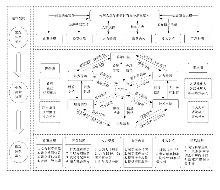
Figure 1
The logical structure of the rehabilitation and fitness sports service system for people with disabilities"
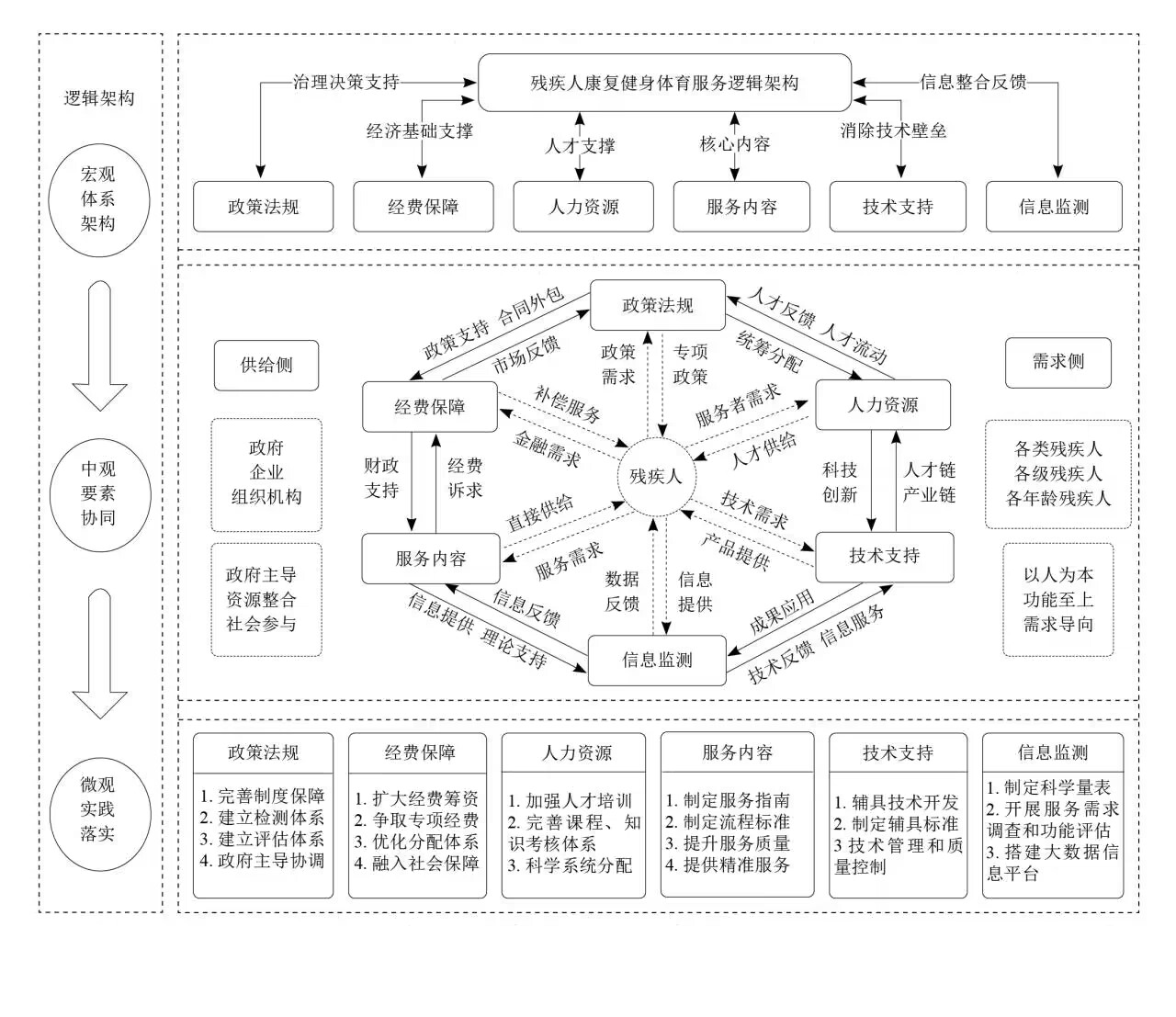
Table 2
Funding and distribution of rehabilitation sports services"
| 分类 | 政府机构 | 机构组织 | 个体、家庭成员等 | |||
|---|---|---|---|---|---|---|
| 中央政府 | 地方政府 | 营利性机构组织 | 非营利性机构组织 | |||
| 机构类型 | 国家体育总局 国家医疗保障局 国家卫生健康委员会 | 地方政府部门 地方行政机关 其他地方特定职能机构 | 私立医院 私立养老院 私立学校 康复相关公司 | 非营利性组织(如:中国残疾人联合会、中国红十字会) 非营利性协会/俱乐部 非营利性学校 非营利性慈善机构 | 家庭 邻里团体 | |
| 支持系统 | 经费筹资 | 政府统一税收 财政部拨款 社会捐款 个人缴费 | 中央拨款 市政税收 个人缴费 | 地方政府购买 社会捐款 个人缴费 | 地方政府拨款 社会捐款 | 劳动所得 补助津贴 家庭筹资 |
| 经费分配 | 向地方分配拨款 购买服务场所、技术和设备 发放津贴 | 购买服务场所、技术、设备 发放津贴 | 购买服务场所、技术、设备 支出基础开销 支付酬劳 | 购买服务场所、技术与设备 支出基础开销 | 购买服务和场地 | |
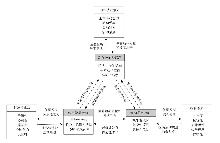
Figure 2
Classification and internal relationship of rehabilitation fitness sports activities"
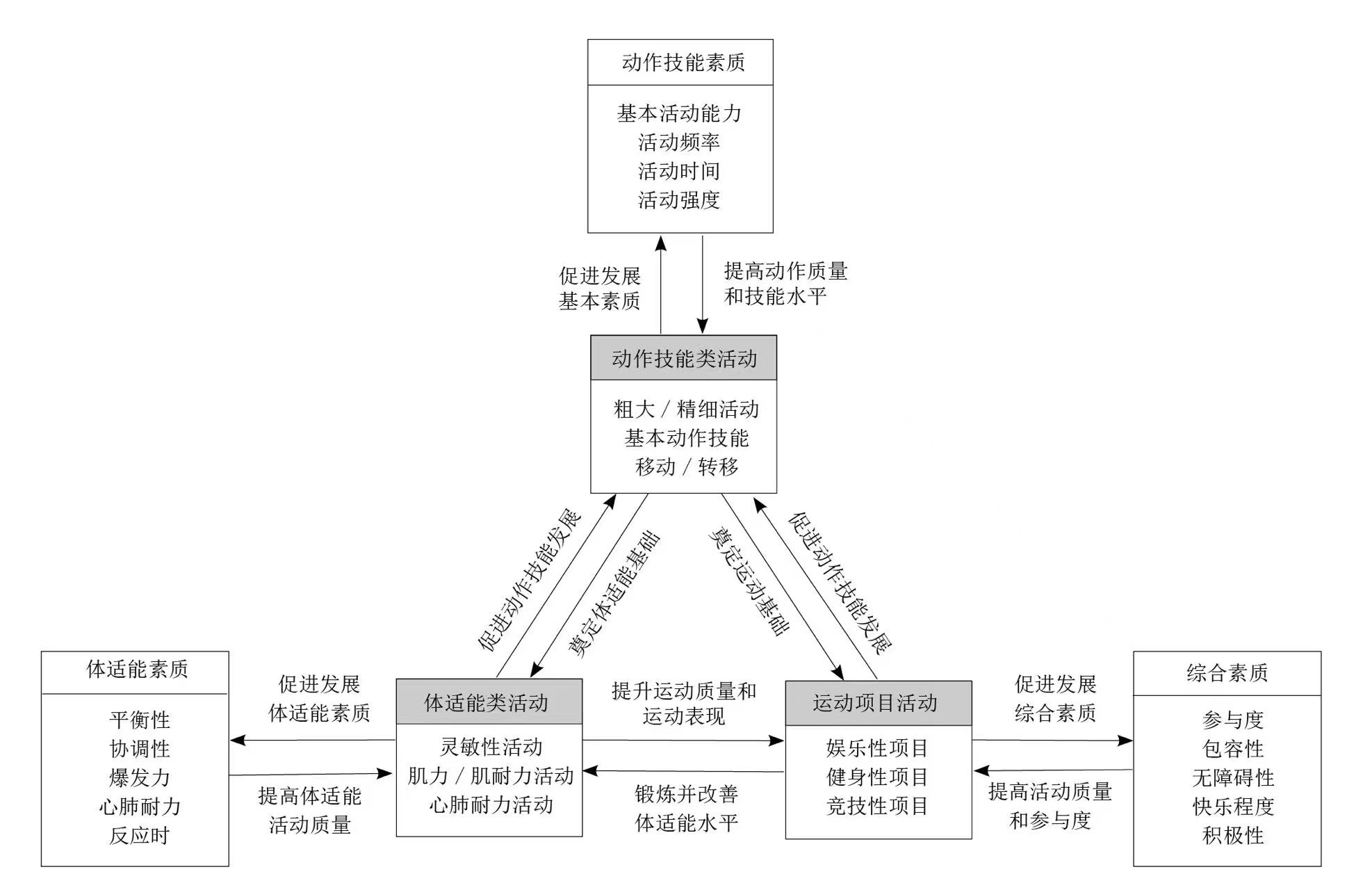
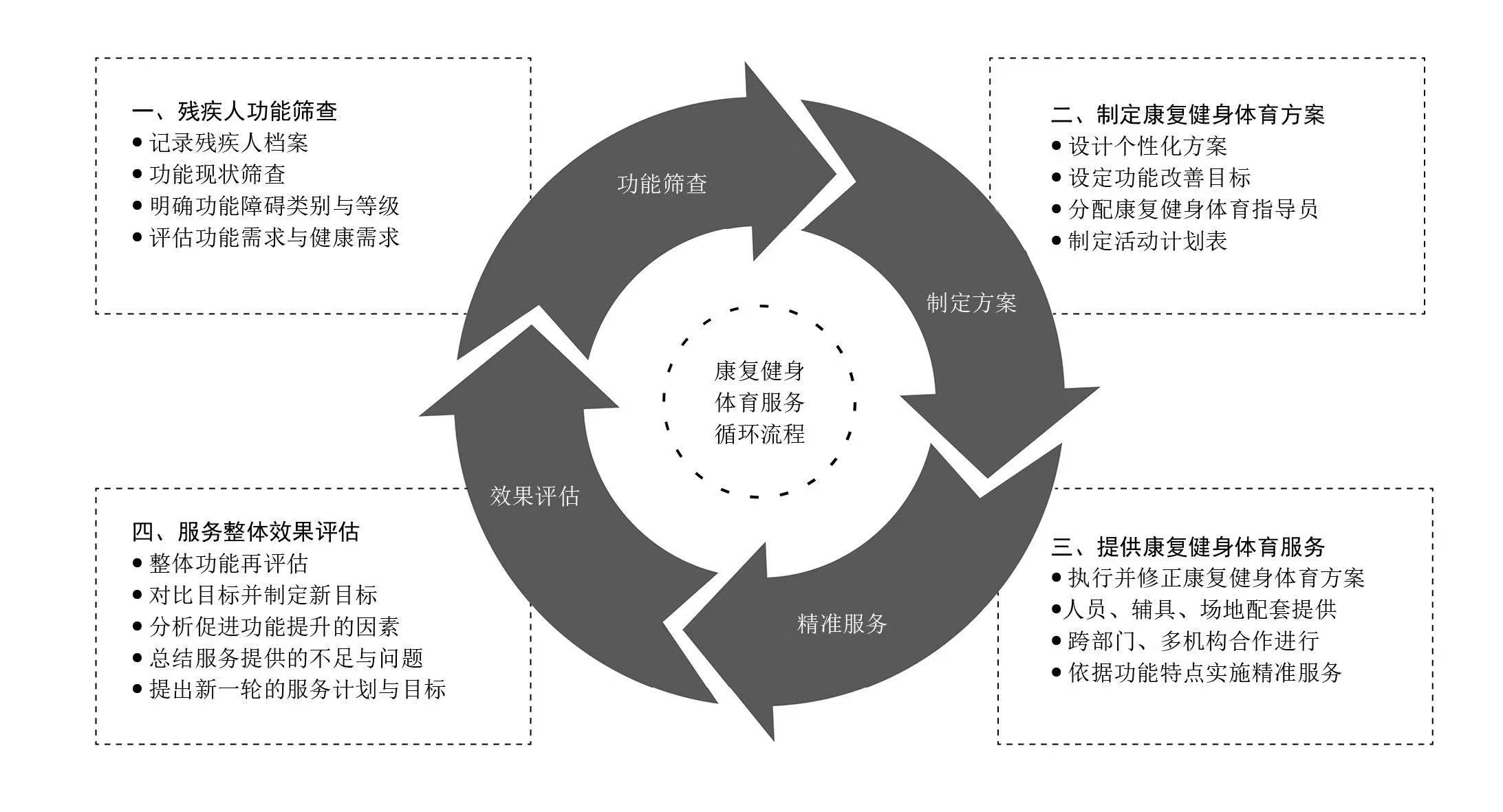
Figure 3
Rehabilitation and fitness sports service flow for people with disabilities"
| [1] | 国务院. 国务院关于印发"十四五"残疾人保障和发展规划的通知: 国发〔2021〕10号[EB/OL]. (2021-07-08)[2025-08-06]. https://www.gov.cn/zhengce/content/2021-07/21/content_5626391.htm. |
| [2] | 新华社. 中国残疾人体育事业发展和权利保障[EB/OL]. (2022-03-03)[2025-08-06]. https://www.gov.cn/zhengce/2022-03/03/content_5676615.htm. |
| [3] | 新华社. 中华人民共和国国民经济和社会发展第十五个五年规划纲要[EB/OL]. (2026-03-13)[2026-03-23]. https://www.gov.cn/yaowen/liebiao/202603/content_7062633.htm. |
| [4] | 郑家鲲. "十二五"时期构建我国公共体育服务体系的若干思考[J]. 成都体育学院学报, 2011, 37(12): 1-6. |
| ZHENG J K. Some ideas on the construction of China's public sports service system during the period of the "12th Five-year Plan"[J]. J Chengdu Sport Univ, 2011, 37(12): 1-6. | |
| [5] | 王占坤, 高继祥. 浙江省公共体育服务体系建设研究[J]. 首都体育学院学报, 2018, 30(4): 302-308. |
| WANG Z K, GAO J X. Investigation and analysis on public sports service system construction in Zhejiang province[J]. J Capit Univ Phys Educ Sports, 2018, 30(4): 302-308. | |
| [6] | 郑家鲲, 冯俊翔. 以标准化促进均等化:基本公共体育服务的发展路向[J]. 武汉体育学院学报, 2023, 57(6): 5-11. |
| ZHENG J K, FENG J X. Standardization for equalization: way forward for basic public sports services[J]. J Wuhan Institute Phys Educ, 2023, 57(6): 5-11. | |
| [7] | 国家统计局. 中国统计年鉴2025[EB/OL]. [2026-03-26]. https://www.stats.gov.cn/sj/ndsj/2025/indexch.htm. |
| [8] | 国家体育总局. 对十四届全国人大二次会议第3398号建议的答复[EB/OL]. [2026-03-26]. https://www.sport.gov.cn/bgt/n25546387/c28153968/content.html. |
| [9] | 中国残疾人联合会. 2024年残疾人事业发展统计公报[EB/OL]. [2026-03-26]. https://www.cdpf.org.cn/zwgk/zccx/tjgb/1706f34657364af9a52b67f77d8c9f2b.htm. |
| [10] | 郑功成. 中国残疾人事业研究报告(2022)[M]. 北京: 社会科学文献出版社, 2022. |
| ZHENG G C. Report on the Development of Disability Affairs in China (2022)[M]. Beijing: Social Sciences Academic Press, 2022. | |
| [11] | 王雁, 傅王倩. 促进残疾人全面发展和共同富裕:习近平总书记关于残疾人事业重要论述的学习研究[J]. 中国特殊教育, 2022(4): 3-11. |
| WANG Y, FU W Q. Promoting the all-round development and common prosperity of people with disabilities: the CPC Central Committee's General Secretary Xi Jinping's important exposition on the development of the cause of the people with disabilities[J]. Chin J Spec Educ, 2022(4): 3-11. | |
| [12] | 张健, 孙辉, 张建华. 甘肃省残疾人体育健身服务影响因素及发展对策[J]. 体育文化导刊, 2018(9): 48-52, 84. |
| ZHANG J, SUN H, ZHANG J H. The influencing factors and countermeasures of disabled sports fitness service in Gansu province[J]. Sports Culture Guide, 2018(9): 48-52, 84. | |
| [13] | 沈克印. "双循环"新发展格局下体育产业高质量发展的宏观形态与方略举措[J]. 体育学研究, 2021, 35(2): 11-19. |
| SHEN K Y. The macro form and strategic measures for the high-quality development of the sports industry under the "Dual Circulation" new development pattern[J]. Res Sports Sci, 2021, 35(2): 11-19. | |
| [14] |
王国祥, 邱服冰, 杨剑. 中国运动康复专业人才培养体系的构建[J]. 中国康复理论与实践, 2020, 26(10): 1133-1141.
doi: 10.3969/j.issn.1006-9771.2020.10.003 |
| WANG G X, QIU F B, YANG J. Establishment of education system of professionals in the fields of sports and exercises rehabilitation in China[J]. Chin J Rehabil Theory Pract, 2020, 26(10): 1133-1141. | |
| [15] | 王定宣, 陈巧玉, 彭博. 中国运动康复专业人才需求与培养现状调查[J]. 成都体育学院学报, 2016, 42(2): 103-109. |
| WANG D X, CHEN Q Y, PENG B. Investigation of the demand and cultivation of sports rehabilitation professionals[J]. J Chengdu Sports Univ, 2016, 42(2): 103-109. | |
| [16] | 雷园园, 王国祥. 基于ICF的重度肢体残疾人居家康复体育锻炼方案理论架构与实证研究[J]. 体育科学, 2021, 41(12): 80-93. |
| LEI Y Y, WANG G X. Theoretical framework and empirical research on home-based rehabilitation physical exercise program for severe limb disabled individuals based on ICF[J]. Chin Sports Sci, 2021, 41(12): 80-93. | |
| [17] | 郭海英, 刘晖. 生命健康共同体视域下社区"体卫融合"发展困境与推进策略[J]. 体育文化导刊, 2022(9): 52-58. |
| GUO H Y, LIU H. Development dilemma and promotion strategy of integration of sports and health in community from the perspective of life and health community[J]. Sports Cult Guide, 2022(9): 52-58. |
| [1] | SUN Jiayao, MA Chunhua, LÜ Jun, TANG Qi, SHAO Zhimin, HU Kangning, HUANG Haoying, HUANG Aihua. Development of a needs assessment tool for grading care services for adults with disabilities in welfare institutions [J]. Chinese Journal of Rehabilitation Theory and Practice, 2025, 31(7): 802-811. |
| [2] | GUO Tongtong, ZHANG Xinyi, JI Lihong, DONG Zhiwei, LI Zongrun, WANG Liduan, CAI Weiqin, GAO Qianqian, JING Qi, ZHENG Wengui. Quantitative research on China's disability rehabilitation policy using policy modeling consistency index model [J]. Chinese Journal of Rehabilitation Theory and Practice, 2024, 30(6): 621-629. |
| [3] | CHEN Panpan, WANG Binglong, DONG Liquan, LIU Xidong, YANG Youping, LI Jiayue. Unmet needs for assistive technology and its related factors for persons with physical disabilities in Chengdu, China [J]. Chinese Journal of Rehabilitation Theory and Practice, 2024, 30(5): 598-605. |
| [4] | YANG Yaru, YANG Jian, QIU Zhuoying, QIU Fubing, XIAO Xiaofei, PENG Yifeng. Research on community-based rehabilitation exercise and physical activity and its benefits for people with mild and moderate disability in Shenzhen, Guangdong, China [J]. Chinese Journal of Rehabilitation Theory and Practice, 2024, 30(2): 189-194. |
| [5] | YANG Xiulian, QIN Jian, XIAN Yuantao, LIU Hongliang, YANG Yaru, XIANG Youyu, LUO Jie, ZHONG Shixun, ZHONG Yu, ZHOU Sujun, SU Hong, XIAO Hongmei, ZHOU Xinjian. Construction of basic rehabilitation training course for family doctor teams serving for people with disabilities based on WHO rehabilitation competency framework [J]. 《Chinese Journal of Rehabilitation Theory and Practice》, 2023, 29(11): 1249-1260. |
| [6] | ZHANG Yefan, ZHANG Han, ZHANG Yanqiu, SHI Zhixue, XING Yang, JI Lihong, CAI Weiqin, GAO Qianqian, GAO Runguo, CHEN Xiaoyun, JING Qi. 2011 to 2021 rehabilitation professionals distribution from system of China Disabled Persons' Federation using geographical gravity model [J]. 《Chinese Journal of Rehabilitation Theory and Practice》, 2023, 29(1): 64-70. |
| [7] | DONG Hong,CUI Huixia,XU Xiaoxiao,WANG Weiwei. Relationship of humanized nursing abilities to attitudes toward persons with disabilities and achievement among nursing staff in rehabilitation department [J]. 《Chinese Journal of Rehabilitation Theory and Practice》, 2022, 28(6): 739-744. |
| [8] | FAN Yunyi,ZHENG Xiaoying. Evaluation of precision rehabilitation services for people with disabilities in China [J]. 《Chinese Journal of Rehabilitation Theory and Practice》, 2022, 28(10): 1117-1125. |
| [9] | YANG Jinru,CHANG Haoran,WANG Guanjun,WU Chunyan,HU Shanju,JING Qi. Operation efficiency of basic rehabilitation services for people with disabilities in the regions of Eastern China [J]. 《Chinese Journal of Rehabilitation Theory and Practice》, 2022, 28(10): 1143-1149. |
| [10] | LIU Fengbo,ZHANG Zhongqiu,LI Anqiao,ZHOU Sheng,ZHANG Meng. Effects of mindfulness training on emotion and acceptance for people with disabilities: a systematic review [J]. 《Chinese Journal of Rehabilitation Theory and Practice》, 2022, 28(1): 105-110. |
| [11] | WU Xianguang, CHEN Di, XUN Fang, FU Yumeng, ZHANG Meng, TANG Xiuqi. Development of rehabilitation undertakings to achieve the "Healthy China 2030" goals [J]. Chinese Journal of Rehabilitation Theory and Practice, 2022, 28(1): 6-14. |
| [12] | SUN Ji-ling,LIU Lan,ZHANG Xin-hui,SUN Jing-jing,ZHANG Ya-lu,ZHANG Lei,CHEN Gong. Behavior of Seeking Medical Care for People with Disabilities within Context of Health Poverty Alleviation Initiatives [J]. 《Chinese Journal of Rehabilitation Theory and Practice》, 2021, 27(10): 1218-1224. |
| [13] | WEI Xue-ling,ZHANG Jie,YU Zhi-long,ZHU Qing,ZHANG Ben-zhong. Quality of Care for People with Disabilities and Related Factors in Chengguan, Lanzhou, China [J]. 《Chinese Journal of Rehabilitation Theory and Practice》, 2020, 26(9): 1112-1116. |
| [14] | WANG Wen-na,LIN Bei-lei,ZHANG Zhen-xiang,GUO Ya-wen,GUO Er-feng. Advance in Accessment Tools for Home Environment for People with Disabilities (review) [J]. 《Chinese Journal of Rehabilitation Theory and Practice》, 2020, 26(6): 687-691. |
| [15] | WANG Li, FENG Xiang-yan, NIU Qi-xiang, WEI Hua, LI Xiao-juan, WANG Fei-xia, ZHANG Fei, YANG Shu-han, WANG Xiao-yu, XU Rui-xue, FU Qing, LIU Fei, REN Jie, LI Na. Survey of Needs of Rehabilitation and Rehabilitation Technical Support in Rural Areas in Shaanxi, China [J]. 《Chinese Journal of Rehabilitation Theory and Practice》, 2018, 24(9): 1095-1098. |
| Viewed | ||||||
|
Full text |
|
|||||
|
Abstract |
|
|||||
|
||
