



Chinese Journal of Rehabilitation Theory and Practice ›› 2026, Vol. 32 ›› Issue (9): 1087-1099.doi: 10.3969/j.issn.1006-9771.2026.09.011
Previous Articles Next Articles
Gao Jiamin1a, Fu Zhenjing1b, Wang Muxiong2, Jiang Xiaqing1a, Liu Zhihong3, Zhang Hongtao3( )
)
Received:2026-05-19
Revised:2026-07-01
Accepted:2026-07-08
Published:2026-09-25
Online:2026-09-20
Contact:
Zhang Hongtao
E-mail:zhanghongtao@cadtc.org.cn
Supported by:CLC Number:
Gao Jiamin, Fu Zhenjing, Wang Muxiong, Jiang Xiaqing, Liu Zhihong, Zhang Hongtao. A quantitative analysis of development policies for China's assistive technology industry: insights based on the "objective-instrument-intensity" framework[J]. Chinese Journal of Rehabilitation Theory and Practice, 2026, 32(9): 1087-1099.
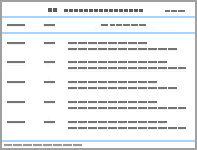
Table 1
Classification and meaning of policy instruments for the development policies of assistive technology industry"
| 类型 | 工具名称 | 工具含义 |
|---|---|---|
| 供给型 | 平台建设 | 搭建科技创新、技术研发、租赁服务等平台 |
| 信息支持 | 整合产业信息,促进信息共享 | |
| 资金投入 | 通过政府拨款、财政投资、示范补助、奖励等形式支持产业发展 | |
| 人才培养 | 培养康复辅助器具研发、配置等人才,加强人才队伍建设 | |
| 创新支持 | 促进科研院校和科技企业合作,加快科研创新成果转化 | |
| 需求型 | 市场塑造 | 优化资源布局,强化市场内生动力,拓展新兴市场 |
| 国际交流 | 加强技术、产能、贸易等国际合作以及中高端产品进出口 | |
| 政府采购 | 政府用财政资金购买产品或服务 | |
| 消费支持 | 将康复辅助器具纳入保险支付范围 | |
| 环境型 | 发展规划 | 对康复辅助器具产业发展进行总体规划 |
| 政策法规 | 加强相关政策法规研究,制定保障产业发展的政策法规 | |
| 税收优惠 | 对康复辅助器具企业税收进行减免 | |
| 金融服务 | 通过信贷、债券、基金、金融产品、知识产权质押融资、专利保险、股权等措施提供资金支持 | |
| 宣传推广 | 开展康复辅助器具宣传推广活动 | |
| 监督管制 | 健全市场监管体系,对康复辅助器具产业进行监督管理 | |
| 标准导向 | 加快重点产品、管理、服务标准制修订,健全康复辅助器具标准体系 |
Table 2
Six assistive technology industry policies"
| 政策编号 | 发文年份 | 政策名称 | 发文字号 |
|---|---|---|---|
| P1 | 2011年12月22日 | 残疾人辅助器具服务“十二五”实施方案 | 残联发〔2011〕18号 |
| P2 | 2016年10月9日 | 辅助器具推广和服务“十三五”实施方案 | 残联发〔2016〕51号 |
| P3 | 2016年10月27日 | 国务院关于加快发展康复辅助器具产业的若干意见 | 国发〔2016〕60号 |
| P4 | 2017年9月11日 | 关于开展国家康复辅助器具产业综合创新试点的通知 | 民发〔2017〕150号 |
| P5 | 2020年12月17日 | 关于开展康复辅助器具产业第二批国家综合创新试点的通知 | 民发〔2020〕149号 |
| P6 | 2021年8月16日 | “十四五”残疾人康复服务实施方案 | 残联发〔2021〕33号 |
Table 3
Variable settings for the quantitative evaluation system of assistive technology industry policies"
| 一级变量 | 二级变量 | 评价标准(是=1,否=0) |
|---|---|---|
| 政策性质X1 | 预测X11 | 政策是否有预测性 |
| 建议X12 | 政策是否有建议性内容 | |
| 描述X13 | 政策是否有描述性内容 | |
| 引导X14 | 政策是否有引导性 | |
| 监管X15 | 政策是否涉及监管 | |
| 政策时限X2 | 当年X21 | 政策目标实现时间是否为1年内 |
| 短期X22 | 政策目标实现时间是否为1~3年 | |
| 中期X23 | 政策目标实现时间是否为3~5年 | |
| 长期X24 | 政策目标实现时间是否为5年以上 | |
| 政策评价[ | 目标明确X31 | 政策制定的目标是否明确 |
| 依据充分X32 | 政策制定的依据是否充分 | |
| 方案科学X33 | 政策制定的方案是否科学 | |
| 规划详实X34 | 政策制定的规划是否详细 | |
| 权责清晰X35 | 政策划分的权责是否清晰 | |
| 发文机构X4 | 全国人大X41 | 是否是全国人大及其常务委员会颁布的法律 |
| 国务院及办公厅X42 | 是否是国务院及其办公厅发布的规范性文件 | |
| 3个及以上部委联合X43 | 是否是3个及以上部委联合发文 | |
| 2个部委联合X44 | 是否是2个部委联合发文 | |
| 各部委单独X45 | 是否是各部委单独发文 | |
| 政策目标X5 | 增强产业创新能力X51 | 政策目标是否包括创新成果有效转化、创新人才队伍逐渐壮大和创新平台体系搭建完善 |
| 完善产业规模格局X52 | 政策目标是否包括产品开发供给、优势产业集群、市场拓展和产品适配 | |
| 优化产业发展环境X53 | 政策目标是否包括完善政策法规体系、健全市场监管机制和改善产品质量及服务水平 | |
| 政策工具X6 | 供给型X61 | 是否运用供给型政策工具 |
| 需求型X62 | 是否运用需求型政策工具 | |
| 环境型X63 | 是否运用环境型政策工具 | |
| 政策对象[ | 产业链上游X71 | 政策是否面向核心技术及产品的研发环节 |
| 产业链中游X72 | 政策是否面向终端产品生产、制造的环节 | |
| 产业链下游X73 | 政策是否面向康复辅助器具流通与使用过程中提供服务的环节 | |
| 政策视角[ | 宏观X81 | 政策是否聚焦宏观国家层面 |
| 中观X82 | 政策是否聚焦中观产业层面 | |
| 微观X83 | 政策是否聚焦微观企业层面 | |
| 政策领域[ | 政治X91 | 政策是否在实施中涉及政治领域 |
| 经济X92 | 政策是否在实施中涉及经济领域 | |
| 社会服务X93 | 政策是否在实施中涉及社会服务领域 | |
| 科技X94 | 政策是否在实施中涉及科技领域 |
Figure 1
Quantity of national assistive technology industry policies from 2011 to 2024"
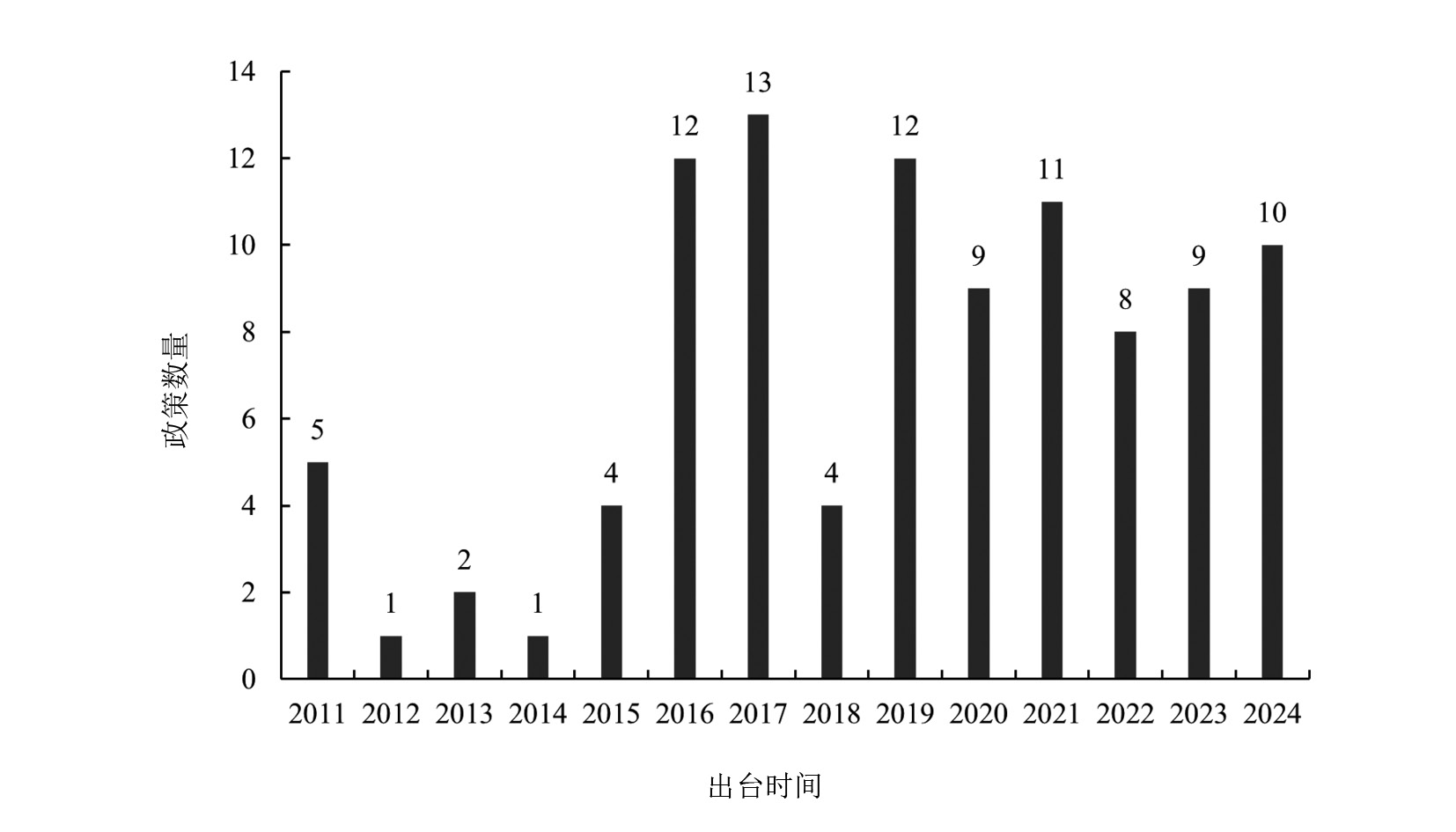
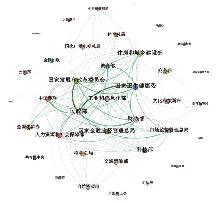
Figure 2
Social network of joint ministries and agencies"
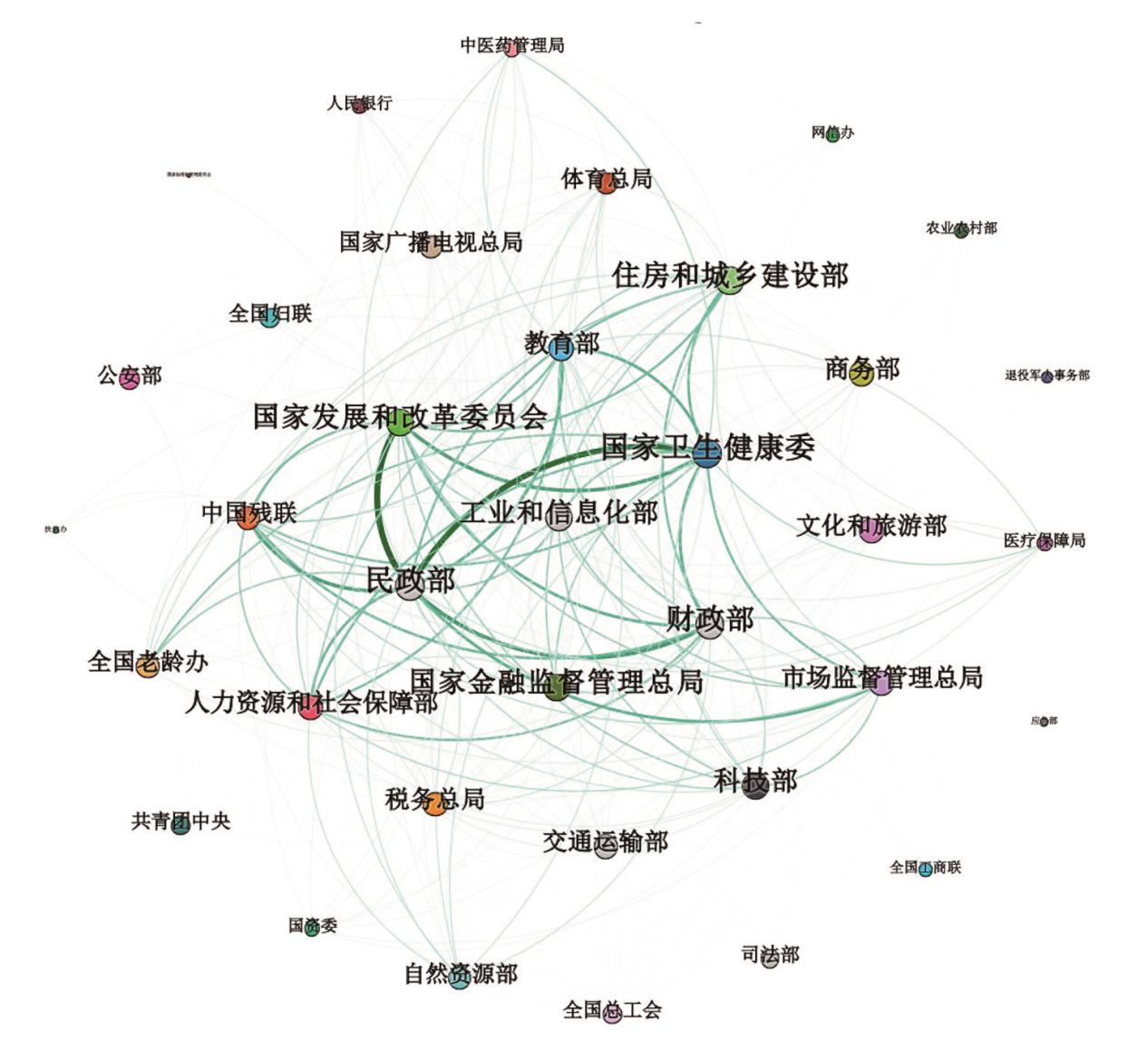
Table 4
Distribution of text frequency for policy objectives"
| 政策目标 | 编码数量 | 占比/% | |
|---|---|---|---|
| 增强产业创新能力 | 创新成果 | 22 | 7.17 |
| 创新平台 | 6 | 1.95 | |
| 创新人才 | 7 | 2.28 | |
| 合计 | 35 | 11.40 | |
| 完善产业规模格局 | 产品开发 | 51 | 16.61 |
| 产业集群 | 11 | 3.58 | |
| 市场拓展 | 51 | 16.61 | |
| 产品适配 | 98 | 31.92 | |
| 合计 | 211 | 68.73 | |
| 优化产业发展环境 | 政策体系 | 12 | 3.91 |
| 监管体制 | 13 | 4.23 | |
| 质量标准 | 36 | 11.73 | |
| 合计 | 61 | 19.87 | |
| 总计 | 307 | 100.00 | |
Table 5
Distribution of text frequency for policy instruments"
| 政策工具 | 编码数量 | 占比/% | |
|---|---|---|---|
| 供给型 | 平台建设 | 30 | 9.77 |
| 信息支持 | 8 | 2.61 | |
| 资金投入 | 11 | 3.58 | |
| 人才培养 | 19 | 6.19 | |
| 创新支持 | 49 | 15.96 | |
| 合计 | 117 | 38.11 | |
| 需求型 | 市场塑造 | 32 | 10.42 |
| 国际交流 | 12 | 3.91 | |
| 政府采购 | 5 | 1.63 | |
| 消费支持 | 41 | 13.36 | |
| 合计 | 90 | 29.32 | |
| 环境型 | 发展规划 | 13 | 4.23 |
| 政策法规 | 12 | 3.91 | |
| 税收优惠 | 3 | 0.98 | |
| 金融服务 | 8 | 2.61 | |
| 宣传推广 | 13 | 4.23 | |
| 监督管制 | 19 | 6.19 | |
| 标准导向 | 32 | 10.42 | |
| 合计 | 100 | 32.57 | |
| 总计 | 307 | 100.00 | |
Figure 3
Development trend in policy intensity"
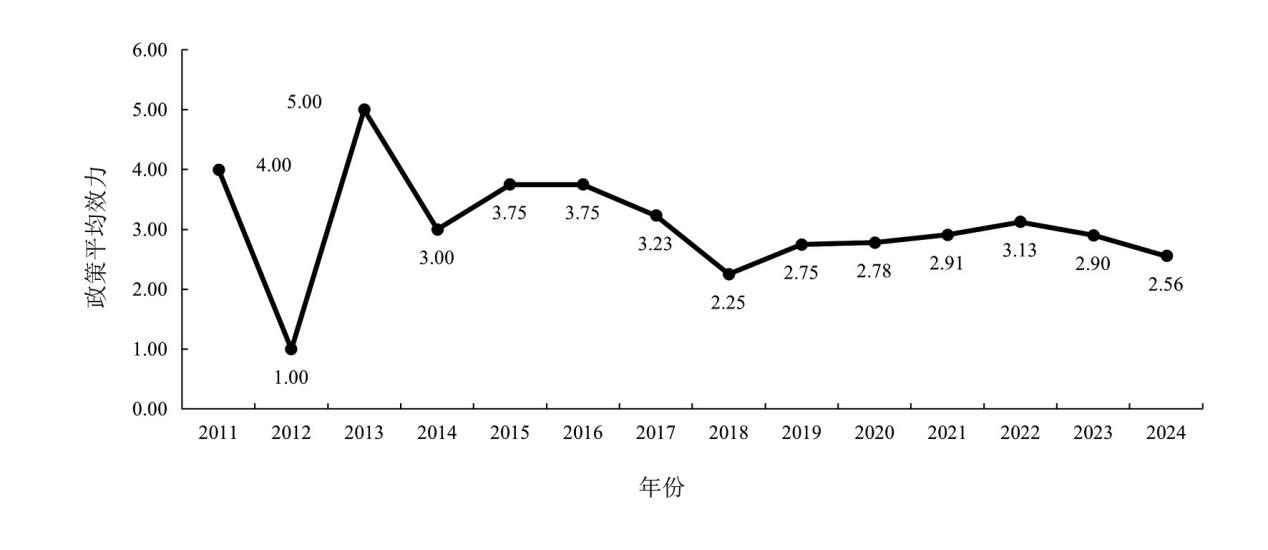
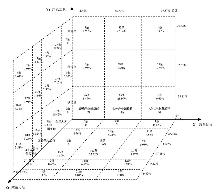
Figure 4
Two-dimensional cross-analysis coding node matrix under the three-dimensional framework"
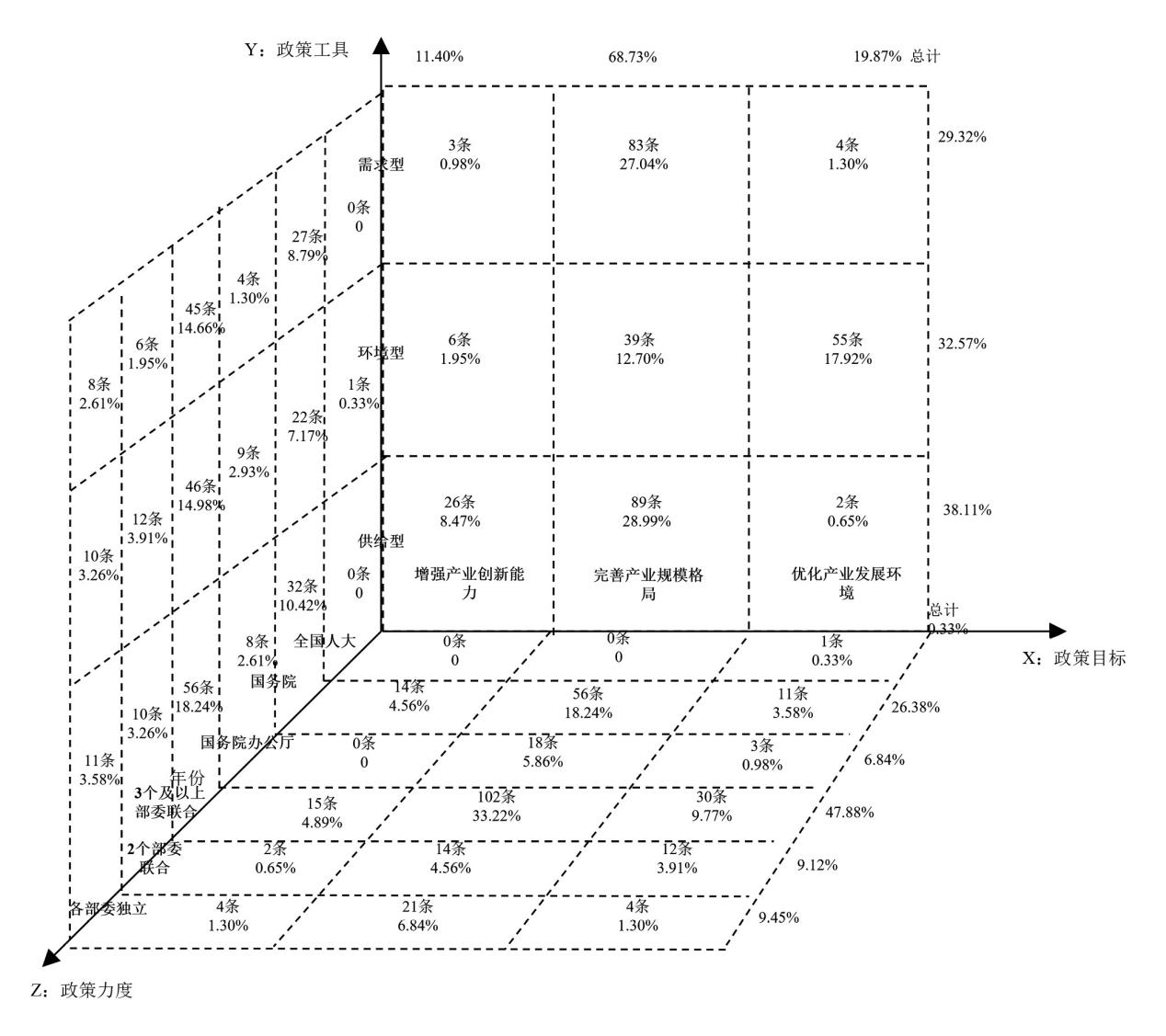
Figure 5
Cross-analysis of policy objective subcategories, policy instruments, and policy intensity"
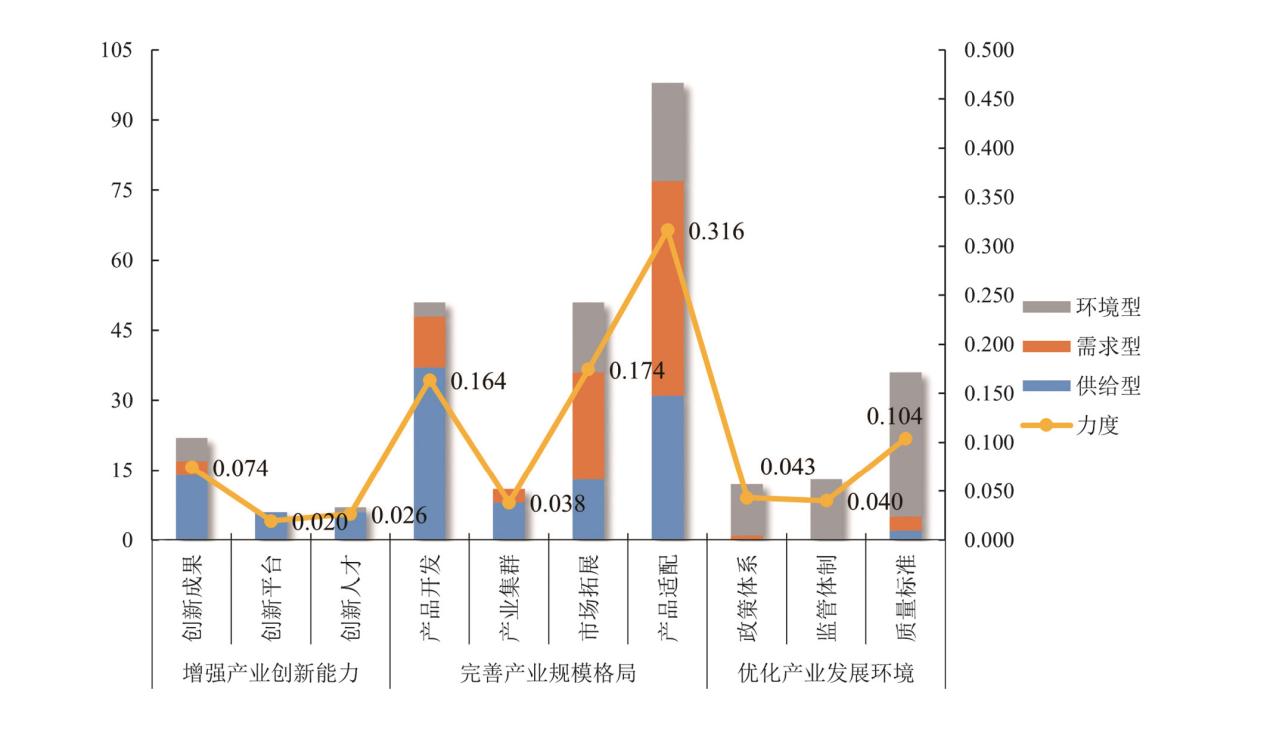
Figure 6
Cross-analysis of policy instrument types, policy objectives, and policy intensity"
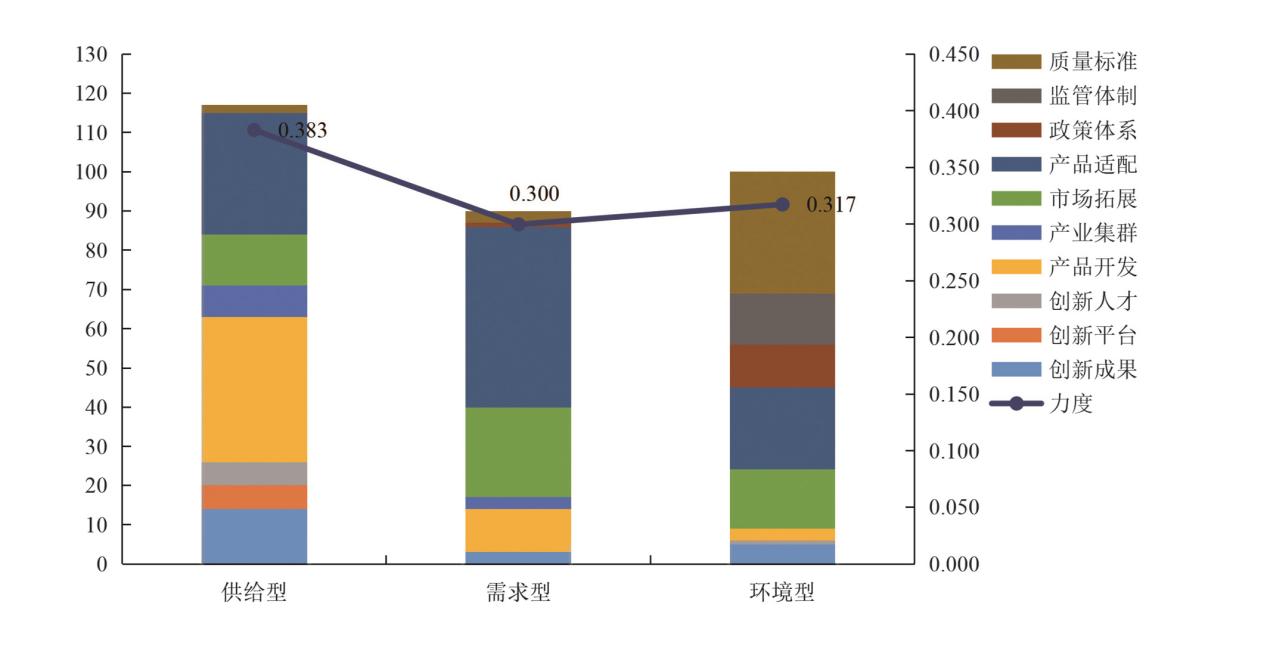
Table 6
PMC index of six policies"
| 政策编号 | X1 | X2 | X3 | X4 | X5 | X6 | X7 | X8 | X9 | PMC | 排名 | 等级 |
|---|---|---|---|---|---|---|---|---|---|---|---|---|
| P1 | 0.80 | 0.25 | 1.00 | 0.20 | 0.33 | 0.67 | 1.00 | 1.00 | 0.50 | 5.75 | 5 | 良好 |
| P2 | 0.80 | 0.25 | 1.00 | 0.20 | 0.33 | 1.00 | 1.00 | 1.00 | 1.00 | 6.58 | 4 | 优秀 |
| P3 | 0.80 | 0.25 | 1.00 | 0.20 | 1.00 | 1.00 | 1.00 | 1.00 | 1.00 | 7.25 | 1 | 优秀 |
| P4 | 0.60 | 0.25 | 1.00 | 0.20 | 1.00 | 1.00 | 1.00 | 1.00 | 1.00 | 7.05 | 2 | 优秀 |
| P5 | 0.60 | 0.25 | 1.00 | 0.20 | 1.00 | 1.00 | 1.00 | 1.00 | 1.00 | 7.05 | 2 | 优秀 |
| P6 | 0.80 | 0.25 | 1.00 | 0.20 | 0.33 | 1.00 | 0.33 | 0.33 | 0.75 | 5.00 | 6 | 良好 |
| 均值 | 0.73 | 0.25 | 1.00 | 0.20 | 0.67 | 0.94 | 0.89 | 0.89 | 0.88 | 6.45 | — | 优秀 |
| [1] | 中国残疾人联合会. 2010 年末全国残疾人总数及各类、不同残疾等级人数[EB/OL]. (2021-02-20) [2026-08-11]. https://www.cdpf.org.cn/zwgk/zccx/cjrgk/15e9ac67d7124f3fb4a23b7e2ac739aa.htm. |
| [2] |
Luo Y N, Su B B, Zheng X Y. Trends and challenges for population and health during population aging-China, 2015-2050[J]. Chin CDC Weekly, 2021, 3(28): 593-598.
doi: 10.46234/ccdcw2021.158 |
| [3] | 民政部, 全国老龄工作委员会办公室. 2025 年度国家老龄事业发展公报 [EB/OL]. (2026-07-31) [2026-08-11]. https://www.cncaprc.gov.cn/u/cms/www/202608/01013057jmzq.pdf. |
| [4] | 王广州. 中国老年人口健康预期寿命研究[J]. 社会学研究, 2022, 37(3): 160-181, 229-230. |
| Wang G Z. A study on the healthy life expectancy of the Chinese elderly population[J]. Sociol Stud, 2022, 37 (3): 160-181, 229-230. | |
| [5] | 王金营, 李天然. 中国老年失能年龄模式及未来失能人口预测[J]. 人口学刊, 2020, 42(5): 57-72. |
| Wang J Y, Li T R. The age mode of elderly disability in China and the disabled population projection[J]. Popul J, 2020, 42(5): 57-72. | |
| [6] | GB/T 16432-2025 康复辅助器具分类和术语[S]. |
| GB/T 16432-2025 Assistive products for persons with disability-classification and terminology[S]. | |
| [7] | 国务院. 国务院关于加快发展康复辅助器具产业的若干意见[EB/OL]. (2016-10-27) [2026-08-11]. https://www.gov.cn/zhengce/content/2016-10/27/content_5125001. |
| [8] | 国务院办公厅. 国务院办公厅关于发展银发经济增进老年人福祉的意见[EB/OL]. (2024-01-15) [2026-08-11]. https://www.gov.cn/zhengce/content/202401/content_6926087.htm. |
| [9] | 江华, 刘佳辰, 吴小高, 等. 中国康复辅助器具产业政策演进逻辑与实践[J]. 中国康复医学杂志, 2022, 37(10): 1400-1405. |
| [10] | 汪海涛, 吴方, 杨彦婕. 我国老年康复辅助器具产业政策文本研究:基于政策工具与协同测度模型[J]. 中国康复医学杂志, 2022, 37(12): 1669-1676. |
| Wang H T, Wu F, Yang Y J. Analysis on the policy text of rehabilitation aids for the aged: based on policy tools and coordination measurement model[J]. Chin J Rehabil Med, 2022, 37(12): 1669-1676. | |
| [11] | 刘佳辰. 我国康复辅助器具的政策文本量化研究(1988-2020年) [D]. 北京: 首都经济贸易大学, 2022. |
| Liu J C. Quantitative research on the policy text of assistive products in China from 1988 to 2020[D]. Beijing: Capital University of Economics and Business, 2022. | |
| [12] |
Rothwell R. Reindustrialization and technology: towards a national policy framework[J]. Sci Public Policy, 1985, 12(3): 113-130.
doi: 10.1093/spp/12.3.113 |
| [13] | 李浩, 戴遥, 陶红兵. 我国DRG政策的文本量化分析:基于政策目标、政策工具和政策力度的三维框架[J]. 中国卫生政策研究, 2021, 14(12): 16-25. |
| Li H, Dai Y, Tao H B. Text quantitative analysis of China's DRG policy: a three-dimensional framework based on policy objectives, policy tools and policy strength[J]. Chin J Health Policy, 2021, 14(12): 16-25. | |
| [14] | 杨嘉乐, 王睿娟, 陈虹宇, 等. 中国生育政策的文本量化分析:基于政策工具、政策包容性、政策力度的三维分析框架[J]. 中国卫生政策研究, 2023, 16(9): 15-21. |
| Yang J L, Wang R J, Chen H Y, et al. Text quantitative study of China's fertility policy: a three-dimensional framework based on policy tools, policy inclusiveness and policy strength[J]. Chin J Health Policy, 2023, 16(9): 15-21. | |
| [15] | 朱楠, 施莅. 政策工具视角下融合教育教师队伍建设政策研究:基于26份国家层面政策文本的内容分析[J]. 残疾人研究, 2023(3): 47-57. |
| Zhu N, Shi L. Research on inclusive education teacher policy in the perspective of policy instrument: content analysis of 26 national-level policies[J]. Disabil Res, 2023(3): 47-57. | |
| [16] | 俞立平, 周朦朦, 张运梅. 基于政策工具和目标的碳减排政策文本量化研究[J]. 软科学, 2023, 37(10): 61-69. |
| Yu L P, Zhou M M, Zhang Y M. Quantitative research on carbon emission reduction policy text based on policy tools and policy objectives[J]. Soft Sci, 2023, 37(10): 61-69. | |
| [17] | Rothwell R, Zegveld W. Reindustrialization and technology[M]. New York: M.E. Sharpe, 1985. |
| [18] |
郭桐桐, 张欣怡, 嵇丽红, 等. 我国残疾人康复政策量化研究: 基于政策建模一致性指数模型[J]. 中国康复理论与实践, 2024, 30(6): 621-629.
doi: 10.3969/j.issn.1006-9771.2024.06.001 |
| Guo T T, Zhang X Y, Ji L H, et al. Quantitative research on China's disability rehabilitation policy using policy modeling consistency index model[J]. Chin J Rehabil Theory Pract, 2024, 30(6): 621-629. | |
| [19] | 方思越, 刘清. 政策文献量化研究中的PMC指数模型应用述评[J]. 现代情报, 2024, 44(4): 168-176. |
| Fang S Y, Liu Q. A review on application of PMC index model in policy documents quantitative research[J]. J Mod Inform, 2024, 44(4): 168-176. | |
| [20] | 张永安, 耿喆. 我国区域科技创新政策的量化评价:基于PMC指数模型[J]. 科技管理研究, 2015, 35(14): 26-31. |
| Zhang Y A, Geng Z. The quantitative evaluation of regional science and technology innovation policy: based on the PMC index model[J]. Sci Technol Manag Res, 2015, 35(14): 26-31. | |
| [21] | 姚怡帆, 张相, 叶中华. 目标-工具-效力: 中国数字政府建设政策的三维图景[J]. 管理评论, 2024, 36(5): 248-259. |
| Yao Y F, Zhang X, Ye Z H. Objective-tool-effectiveness: a three-dimensional picture of digital government construction policies in China[J]. Manag Rev, 2024, 36(5): 248-259. | |
| [22] | 卜令通, 许亚楠, 张嘉伟, 等. 2015-2020年中国众创空间政策量化评价[J]. 中国科技论坛, 2021(7): 46-56. |
| Bu L T, Xu Y N, Zhang J W, et al. Quantitative evaluation of China's mass innovation space policy from 2015 to 2020[J]. Forum Sci Technol Chin, 2021(7): 46-56. | |
| [23] | 张文静, 张丽, 姚俊. 长期护理保险制度政策评价: 基于PMC指数模型[J]. 中国卫生事业管理, 2021, 38(2): 103-108. |
| Zhang W J, Zhang L, Yao J. Evaluation of long-term care insurance system policy based on PMC index model[J]. Chin Health Serv Manag, 2021, 38(2): 103-108. | |
| [24] |
Ruiz Estrada M A. Policy modeling: definition, classification and evaluation[J]. J Policy Model, 2011, 33(4): 523-536.
doi: 10.1016/j.jpolmod.2011.02.003 |
| [25] | 夏清华, 谭曼庆. 产业政策如何影响企业创新?:基于中国信息技术产业的分析[J]. 软科学, 2022, 36(1): 9-17. |
| Xia Q H, Tan M Q. How does industrial policy affect corporate innovation? Based on the analysis of China's information technology industry[J]. Soft Sci, 2022, 36(1): 9-17. | |
| [26] | 国务院残疾人工作委员会. 国务院残疾人工作委员会关于印发«残疾人保障和发展"十五五"规划»的通知[EB/OL]. (2026-07-02) [2026-08-11]. https://www.cdpf.org.cn/xwzx/clyw2/30f6194c0b314603a48c2fbb5ac6c995.htm. |
| [27] |
吴弦光, 陈迪, 荀芳, 等. 发展康复事业促进实现"健康中国2030"目标[J]. 中国康复理论与实践, 2022, 28(1): 6-14.
doi: 10.3969/j.issn.1006-9771.2022.01.002 |
| Wu X G, Chen D, Xun F, et al. Development of rehabilitation undertakings to achieve the "Healthy China 2030" goals[J]. Chin J Rehabil Theory Pract, 2022, 28(1): 6-14. | |
| [28] |
熊宝林, 赖卿, 管思聪. 我国辅助器具租赁服务相关政策研究[J]. 中国康复理论与实践, 2021, 27(9): 1032-1037.
doi: 10.3969/j.issn.1006-9771.2021.09.006 |
| Xiong B L, Lai Q, Guan S C. Rental service of assistive devices in China: policy research[J]. Chin J Rehabil Theory Pract, 2021, 27(9): 1032-1037. |
| [1] | LIU Jiahui, YANG Mengjiao, WANG Yifan, WANG Ruixuan, SONG Jing, LI Xiaochun, YANG Chunxiao, FENG Zhiqiang, XIE Yuwei, SANG Xin'gang, YIN Wenqiang. Quantitative evaluation of long-term care insurance policy in China's deeply aging areas: based on PMC index model [J]. Chinese Journal of Rehabilitation Theory and Practice, 2025, 31(3): 314-323. |
| [2] | YANG Jian, YANG Yaru. Assistive technology service system in education [J]. Chinese Journal of Rehabilitation Theory and Practice, 2025, 31(1): 99-106. |
| [3] | ZHOU Lifang, LANG Zihan, WU Yixuan, XU Na, XU Lingfeng, CHEN Zhongming, YIN Wenqiang, YU Qianqian. Quantitative evaluation of long-term care policies for older people in the 14th Five-Year Plan in China: based on Policy Modeling Consistency index model [J]. Chinese Journal of Rehabilitation Theory and Practice, 2024, 30(8): 939-947. |
| [4] | GUO Tongtong, ZHANG Xinyi, JI Lihong, DONG Zhiwei, LI Zongrun, WANG Liduan, CAI Weiqin, GAO Qianqian, JING Qi, ZHENG Wengui. Quantitative research on China's disability rehabilitation policy using policy modeling consistency index model [J]. Chinese Journal of Rehabilitation Theory and Practice, 2024, 30(6): 621-629. |
| [5] | TANG Letian, LIU Yushu, YANG Yaru, CUI Liangbo, XIAO Xiaofei. Construction of undergraduate curriculum courses of assistive technology using World Health Organization Rehabilitation Competency Framework [J]. Chinese Journal of Rehabilitation Theory and Practice, 2024, 30(5): 591-597. |
| [6] | CHEN Panpan, WANG Binglong, DONG Liquan, LIU Xidong, YANG Youping, LI Jiayue. Unmet needs for assistive technology and its related factors for persons with physical disabilities in Chengdu, China [J]. Chinese Journal of Rehabilitation Theory and Practice, 2024, 30(5): 598-605. |
| [7] | YANG Jian, YANG Yaru. Assistive technology in education: policy framework and development [J]. Chinese Journal of Rehabilitation Theory and Practice, 2024, 30(11): 1254-1261. |
| [8] | HAO Chuanping. Assistive technology application in educational contexts: policy framework and core areas [J]. 《Chinese Journal of Rehabilitation Theory and Practice》, 2024, 30(1): 119-124. |
| [9] | YAN Mei, JIANG Hua, DONG Liquan, LIU Bofei, HE Weijie, WU Xiaogao, GUO Zhiyang. Demand, supply and satisfaction of assistive technology in China based on rapid Assistive Technology Assessment data [J]. 《Chinese Journal of Rehabilitation Theory and Practice》, 2023, 29(4): 373-380. |
| [10] | QIU Fubing, YANG Yaru. Accessible facilities construction and assistive technology application of public sports venues in Shenzhen, Guangdong, China [J]. 《Chinese Journal of Rehabilitation Theory and Practice》, 2023, 29(12): 1465-1472. |
| [11] | YANG Si-chuang,TANG Xiu-qi,QIU Fu-bing,LI An-qiao,CHEN Lin,WANG Shu-yun. Framework and Core Content of International Policy on Service of Assistive Technology [J]. 《Chinese Journal of Rehabilitation Theory and Practice》, 2021, 27(9): 1006-1016. |
| [12] | ZHU Tu-ling. Conceptual Discussion of Assistive Technology [J]. 《Chinese Journal of Rehabilitation Theory and Practice》, 2021, 27(9): 1017-1023. |
| [13] | XIE Gan-lin,DONG Li-quan,LIU Zhi-hong,HE Yan. Construction of China Occupational Skills Standard of Assistive Technology Consultants [J]. 《Chinese Journal of Rehabilitation Theory and Practice》, 2021, 27(9): 1024-1031. |
| [14] | YANG Si-chuang,QIU Fu-bing,TANG Xiu-qi,LI An-qiao,CHEN Lin,WANG Shu-yun. Policies and Development of Assistive Technology Services for People with Disabilities in Australia [J]. 《Chinese Journal of Rehabilitation Theory and Practice》, 2021, 27(8): 889-899. |
| [15] | DONG Li-quan, LI Xi, XU Jin, HU Jian-min, DAI Lian-jun, XIE Gan-lin. Construction of Assistive Products Service System Using Internet Plus and Artificial Intelligence [J]. 《Chinese Journal of Rehabilitation Theory and Practice》, 2019, 25(6): 724-728. |
| Viewed | ||||||
|
Full text |
|
|||||
|
Abstract |
|
|||||
|
||
