



Chinese Journal of Rehabilitation Theory and Practice ›› 2026, Vol. 32 ›› Issue (10): 1133-1142.doi: 10.3969/j.issn.1006-9771.2026.10.002
Previous Articles Next Articles
Cheng Duixia, He Juan( ), Pan Lei
Received:2026-05-26
Revised:2026-09-17
Accepted:2026-09-29
Published:2026-10-25
Online:2026-10-23
Contact:
He Juan
E-mail:412017093@qq.com
Supported by:CLC Number:
Cheng Duixia, He Juan, Pan Lei. Effect of pulmonary rehabilitation on moderate-to-severe chronic obstructive pulmonary disease: a meta-analysis[J]. Chinese Journal of Rehabilitation Theory and Practice, 2026, 32(10): 1133-1142.

Table 1
PICO framework"
| 人群 (Population) | 干预 (Intervention) | 比较 (Comparison) | 结局 (Outcome) |
|---|---|---|---|
| 中重度COPD患者 | 呼吸肌训练:腹式、缩唇呼吸、吸气阻力训练、呼气压力负荷训练等 全身耐力训练、气道廓清技术、营养指导、心理干预、戒烟宣教,院内和居家延续康复 有氧训练:间歇/持续踏车、平地快走、瑜伽、太极等 | 对照组:仅常规治疗 干预组:在对照组的基础上增加肺康复训练项目 | 运动耐量评估指标 6MWT距离 症状和生活质量量表指标 mMRC量表、CAT评分、SGRQ问卷 肺功能检测指标 FEV1、FVC、FEV1/FVC% |
Figure 1
Flowchart of literature screening"
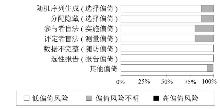
Figure 2
Risk ratio of bias"
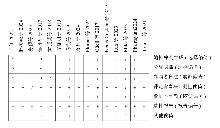
Figure 3
Bias assessment of included literatures"
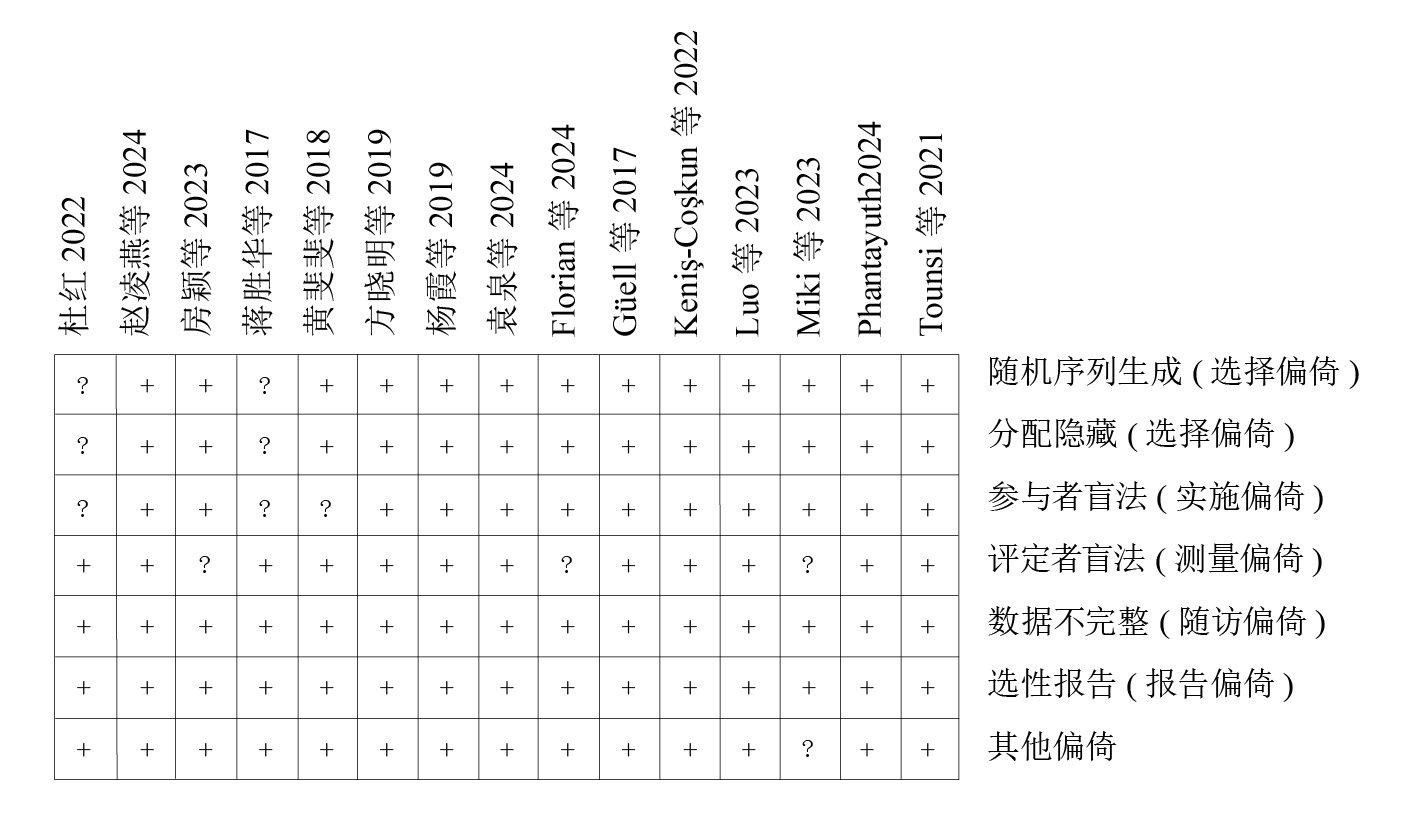
Table 2
Scores of PEDro Scale of included studies"
| 纳入文献 | 纳入与排除标准 | 随机分配 | 分配隐藏 | 基线相似 | 被试施盲 | 治疗师施盲 | 评估者施盲 | 退出率≤15% | 意向治疗分析 | 组间统计比较 | 点测量和差异值 | 总分 |
|---|---|---|---|---|---|---|---|---|---|---|---|---|
| 杜红[ | √ | √ | √ | √ | √ | √ | √ | √ | 7 | |||
| 赵凌燕等[ | √ | √ | √ | √ | √ | √ | √ | √ | √ | √ | √ | 10 |
| 房颖等[ | √ | √ | √ | √ | √ | √ | √ | √ | √ | √ | 9 | |
| 蒋胜华等[ | √ | √ | √ | √ | √ | √ | √ | √ | 7 | |||
| 黄斐斐等[ | √ | √ | √ | √ | √ | √ | √ | √ | √ | √ | 9 | |
| 方晓明等[ | √ | √ | √ | √ | √ | √ | √ | √ | √ | √ | √ | 10 |
| 杨霞等[ | √ | √ | √ | √ | √ | √ | √ | √ | √ | √ | √ | 10 |
| 袁泉等[ | √ | √ | √ | √ | √ | √ | √ | √ | √ | √ | √ | 10 |
| Florian等[ | √ | √ | √ | √ | √ | √ | √ | √ | √ | √ | 9 | |
| Güell等[ | √ | √ | √ | √ | √ | √ | √ | √ | √ | √ | √ | 10 |
| Keniş-Coşkun[ | √ | √ | √ | √ | √ | √ | √ | √ | √ | √ | √ | 10 |
| Luo等[ | √ | √ | √ | √ | √ | √ | √ | √ | √ | √ | √ | 10 |
| Miki等[ | √ | √ | √ | √ | √ | √ | √ | √ | √ | √ | 9 | |
| Phantayuth等[ | √ | √ | √ | √ | √ | √ | √ | √ | √ | √ | √ | 10 |
| Tounsi等[ | √ | √ | √ | √ | √ | √ | √ | √ | √ | √ | √ | 10 |
Table 3
Basic characteristics of included literatures"
| 纳入文献 | 国家 | n(C/T) | 性别(男/女)/n | 年龄(C/T)/岁 | 干预措施 | 干预时间 | 结局指标 | |
|---|---|---|---|---|---|---|---|---|
| C | T | |||||||
| 杜红[ | 中国 | 40/40 | 56/24 | (66.35±7.17)/(65.89±9.11) | 常规治疗 | 肺康复干预 | 6个月 | ①②③④⑤ |
| 赵凌燕等[ | 中国 | 31/32 | 51/12 | (66±8.89)/(70±8.15) | 常规治疗 | 肺康复干预 | 6个月 | ①②④⑥⑦ |
| 房颖等[ | 中国 | 55/55 | 73/37 | (65.37±4.36)/(65.28±4.25) | 常规治疗 | 肺康复干预 | 8周 | ①③⑤⑦ |
| 蒋胜华等[ | 中国 | 26/26 | 42/10 | (60.07±18.76)/(60.07±18.76) | 常规治疗 | 肺康复干预 | 6个月 | ①⑥ |
| 黄斐斐等[ | 中国 | 53/43 | 57/39 | (77.7±5.5)/(79.0±6.1) | 常规治疗 | 肺康复干预 | 6个月 | ①②④⑤⑥ |
| 方晓明等[ | 中国 | 43/43 | 62/24 | (66.2±7.1)/(65.1±6.7) | 常规治疗 | 肺康复干预 | 6个月 | ①②⑤⑥⑦ |
| 杨霞等[ | 中国 | 49/49 | 62/36 | (71.2±4.2)/(71.4±4.3) | 常规治疗 | 肺康复干预 | 1个月 | ①⑥⑦ |
| 袁泉等[ | 中国 | 72/73 | 85/60 | (75.2±5.9)/(74.6±6.1) | 常规治疗 | 肺康复干预 | 3个月 | ①⑦ |
| Florian等[ | 罗马尼亚 | 33/32 | - | (64.43±4.48)/(65.03±5.08) | 常规治疗 | 肺康复干预 | 3周 | ① |
| Güell等[ | 西班牙 | 70/68 | 123/15 | (64.6±8)/(64.6±9) | 常规治疗 | 肺康复干预 | 12个月 | ① |
| Keniş-Coşkun等[ | 土耳其 | 12/12 | 22/2 | (60.7±6.7)/(65.6±7.3) | 常规治疗 | 肺康复干预 | 6个月 | ①②③ |
| Luo等[ | 中国 | 106/100 | 150/56 | (67.43±7.34)/(68.03±6.58) | 常规治疗 | 太极 | 12个月 | ③⑤⑦ |
| Miki等[ | 美国 | 20/20 | 35/5 | (74±5.93)/(74±5) | 常规治疗 | 压力负荷训练 | 3个月 | ③ |
| Phantayuth等[ | 泰国 | 12/12 | 24/0 | (70±4)/(70±6) | 常规治疗 | 太极+瑜伽 | 12周 | ④⑤⑦ |
| Tounsi等[ | 法国 | 16/16 | - | (63±4)/(62±5) | 常规治疗 | 吸气肌训练+全身耐力训练 | 8周 | ① |
Table 4
Results of meta-analysis"
| 结局指标 | 纳入文献数 | 异质性检验 | 效应模型 | Meta分析结果 | ||
|---|---|---|---|---|---|---|
| I2值 | P值 | MD(95%CI) | P值 | |||
| 6MWT | 12[ | 76% | < 0.001 | 随机 | 39.48(32.65~46.32) | < 0.001 |
| mMRC | 5[ | 43% | 0.150 | 固定 | -0.36(-0.48~-0.23) | < 0.001 |
| CAT | 5[ | 63% | 0.030 | 随机 | -4.72(-6.71~-2.74) | < 0.001 |
| SGRQ | 5[ | 0% | 0.610 | 固定 | -4.34(-6.73~-1.94) | < 0.001 |
| FEV1 | 4[ | 83% | < 0.001 | 随机 | 0.10(-0.06~0.27) | 0.220 |
| FVC | 6[ | 89% | < 0.001 | 随机 | 0.16(0.00~0.31) | 0.040 |
| (FEV1/FVC)/% | 7[ | 96% | < 0.001 | 随机 | 0.90(-3.08~4.88) | 0.660 |
Table 5
Results of subgroup analysis"
| 结局指标 | 亚组 | 纳入研究数/n | 异质性检验 | Meta分析 | |||
|---|---|---|---|---|---|---|---|
| I2值 | P值 | MD(95%CI) | P值 | ||||
| 6MWT | 干预周期 | ≥ 3个月 | 8[ | 51 | 0.040 | 40.35(32.22~48.48) | < 0.001 |
| < 3个月 | 4[ | 91 | < 0.001 | 35.57(23.27~47.87) | < 0.001 | ||
| (FEV1/FVC)/% | 训练方式 | 肺康复 | 5[ | 85 | < 0.001 | 3.38(0.97~5.80) | 0.006 |
| 身心训练 | 2[ | 95 | < 0.001 | -5.35(-14.04~3.34) | 0.230 | ||
| [1] |
Cai Y, Ren X, Wang J, et al. Effects of breathing exercises in patients with chronic obstructive pulmonary disease: a network meta-analysis[J]. Arch Phys Med Rehabil, 2024, 105(3): 558-570.
doi: 10.1016/j.apmr.2023.04.014 |
| [2] |
Singh D, Agusti A, Anzueto A, et al. Global strategy for the diagnosis, management, and prevention of chronic obstructivelung disease: the GOLD science committee report 2019[J]. Eur Respir J, 2019, 53(5): 1900164.
doi: 10.1183/13993003.00164-2019 |
| [3] | 刘升明. 《GOLD2026报告》关于慢性阻塞性肺疾病诊断、治疗、管理及预防全球策略更新要点解读[J]. 实用医学杂志, 2026, 42(4): 541-550. |
| Liu S M. Interpretation of key updates of global strategy for the diagnosis,management,and prevention of chronic obstructive pulmonary disease 2026 report[J]. J Pract Med, 2026, 42(4): 541-550. | |
| [4] |
Wang Z F, Lin J F, Liang L N, et al. Global, regional, and national burden of chronic obstructive pulmonary disease and its attributable risk factors from 1990 to 2021: an analysis for the Global Burden of Disease Study 2021[J]. Respir Res, 2025, 26(1): 2.
doi: 10.1186/s12931-024-03051-2 |
| [5] |
Chen S, Kuhn M, Prettner K, et al. The global economic burden of chronic obstructive pulmonary disease for 204 countries and territories in 2020-50: a health-augmented macroeconomic modelling study[J]. Lancet Glob Health, 2023, 11(8): e1183-e1193.
doi: 10.1016/S2214-109X(23)00217-6 pmid: 37474226 |
| [6] | 何雯青, 王佳佳, 谢洋, 等. 慢性阻塞性肺疾病疾病负担测评方法概述[J]. 中国卫生经济, 2024, 43(2): 58-61, 66. |
| [7] | Keessen P, den Uijl I, Visser B, et al. Fear of movement in patients attending cardiac rehabilitation: a validation study[J]. J Rehabil Med, 2020, 52(2): 1-7. |
| [8] |
Rochester C L, Alison J A, Carlin B, et al. Pulmonary rehabilitation for adults with chronic respiratory disease: an official American Thoracic Society clinical practice guideline[J]. Am J Respir Crit Care Med, 2023, 208(4): e7-e26.
doi: 10.1164/rccm.202306-1066ST |
| [9] | 张振赟, 魏莉莉, 刘晓梅 等. 耐力训练对稳定期慢性阻塞性肺疾病患者有效性的Meta分析[J]. 中国康复医学杂志, 2021, 36(3): 330-334. |
| Zhang Z Y, Wei L L, Liu X M, et al. Effectiveness of endurance training in patients with stable chronic obstructive pulmonary disease: a meta-analysis[J]. Chin J Rehabil Med, 2021, 36(3): 330-334. | |
| [10] | 杨延斌. 中重度COPD稳定期患者不同肺康复方式疗效观察[D]. 延安: 延安大学, 2025. |
| [11] | Page M J, Moher D, Bossuyt P M, et al. PRISMA 2020 explanation and elaboration: updated guidance and exemplars for reporting systematic reviews[J]. BMJ, 2021, 372: n160. |
| [12] |
王凤燕, 张冬莹, 梁振宇, 等. 面向全科医生的《慢性阻塞性肺疾病诊治指南(2021年修订版)》解读[J]. 中国全科医学, 2021, 24(29): 3660-3663, 3677.
doi: 10.12114/j.issn.1007-9572.2021.01.304 |
| Wang F Y, Zhang D Y, Liang Z Y, et al. Interpretation of Guideline for the Diagnosis and Treatment of COPD (2021 revision) for general practitioners[J]. Chin Gen Pract, 2021, 24(29): 3660-3663, 3677. | |
| [13] | Cumpston M, Li T, Page M J, et al. Updated guidance for trusted systematic reviews: a new edition of the Cochrane Handbook for Systematic Reviews of Interventions[J]. Cochrane Database Syst Rev, 2019, 10(10): Ed000142. |
| [14] |
Moseley A M, Elkins M R, Van Der Wees P J, et al. Using research to guide practice: the Physiotherapy Evidence Database (PEDro)[J]. Braz J Phys Ther, 2020, 24(5): 384-391.
doi: 10.1016/j.bjpt.2019.11.002 pmid: 31813695 |
| [15] | 杜红. 医护一体化护理模式联合系统呼吸康复训练在中重度慢性阻塞性肺疾病患者中的应用[J]. 当代护士(上旬刊), 2022, 29(8): 73-76. |
| Du H. Application of doctor-nurse integrated nursing mode combined with systematic respiratory rehabilitation training in patients with moderate-to-severe chronic obstructive pulmonary disease[J]. Mod Nurse, 2022, 29(8): 73-76. | |
| [16] |
赵凌燕, 王正翊, 徐淑芬, 等. 中重度慢性阻塞性肺疾病患者肺康复方案的实施效果研究[J]. 中华护理杂志, 2024, 59(17): 2062-2069.
doi: 10.3761/j.issn.0254-1769.2024.17.002 |
|
Zhao L Y, Wang Z Y, Xu S F, et al. Application of a pulmonary rehabilitation exercise program based on IMB model in patients with moderate to severe chronic obstructive pulmonary disease[J]. Chin J Nurs, 2024, 59(17): 2062-2069.
doi: 10.3761/j.issn.0254-1769.2024.17.002 |
|
| [17] | 房颖, 王涛, 宋建奇, 等. 全面肺康复治疗对中-重度稳定期COPD患者肺功能、血气指标的影响[J]. 河北医药, 2023, 45(13): 2033-2035. |
| Fang Y, Wang T, Song J Q, et al. Effect of comprehensive pulmonary rehabilitation on lung function and blood gas indexes in patients with moderate-to-severe stable COPD[J]. Hebei Med J, 2023, 45(13): 2033-2035. | |
| [18] | 蒋胜华, 李岷, 秦茂华, 等. 从慢性病自我管理、自我效能的角度对慢性阻塞性肺疾病综合性肺康复的评价[J]. 中国康复医学杂志, 2017, 32(9): 1030-1034. |
| Jiang S H, Li M, Qin M H, et al. Evaluation of self-management, self-efficacy in the comprehensive pulmonary rehabilitation for COPD[J]. Chin J Rehabil Med, 2017, 32(9): 1030-1034. | |
| [19] |
黄斐斐, 陈丽华, 张雯, 等. 老年慢性阻塞性肺疾病急性加重住院患者开展早期肺康复干预的效果研究[J]. 中国全科医学, 2018, 21(32): 4032-4036.
doi: 10.12114/j.issn.1007-9572.2018.00.104 |
| Huang F F, Chen L H, Zhang W, et al. Early pulmonary rehabilitation for elderly inpatients with acute exacerbation of chronic obstructive pulmonary disease[J]. Chin Gen Pract, 2018, 21(32): 4032-4036. | |
| [20] | 方晓明, 刘茗, 黄燕华, 等. 慢性阻塞性肺疾病急性加重期老年患者开展早期肺康复干预的临床效果观察[J]. 中华保健医学杂志, 2019, 21(6): 531-534. |
| Fang X M, Liu M, Huang Y H, et al. Clinical observation on effect of early pulmonary rehabilitation intervention in elderly patients with acute exacerbation of chronic obstructive pulmonary disease[J]. Chin J Health Care Med, 2019, 21(6): 531-534. | |
| [21] | 杨霞, 吴颖, 冯梅, 等. 医护一体化肺康复管理模式在老年中重度慢性阻塞性肺疾病患者中的应用效果[J]. 实用心脑肺血管病杂志, 2019, 27(9): 61-64. |
| Yang X, Wu Y, Feng M, et al. Application effect of medical-nursing pulmonary rehabilitation management in elderly patients with moderate to severe chronic obstructive pulmonary disease[J]. Pract J Cardiac Cerebr Pneum Vascul Dis, 2019, 27(9): 61-64. | |
| [22] | 袁泉, 陆海英, 王怡, 等. 远程医疗管理在老年中重度慢性阻塞性肺疾病患者稳定期呼吸康复中的效果:一项随机对照研究[J]. 中国全科医学, 2024, 27(6): 711-716. |
| Yuan Q, Lu H Y, Wang Y, et al. Telemedicine management in stabilized respiratory rehabilitation of elderly patients with moderate-to-severe chronic obstructive pulmonary disease: a randomized controlled trial[J]. Chin Gen Pract, 2024, 27(6): 711-716. | |
| [23] | Florian C A, Corina P C, Adelina M, et al. Respiratory muscle training and its impact on balance and gaitin patients with severe COPD[J]. Medicina (Kaunas), 2024, 60(2): 257. |
| [24] |
Güell M R, Cejudo P, Ortega F, et al. Benefits of long-term pulmonary rehabilitation maintenance program in patients with severe chronic obstructive pulmonary disease. Three-year follow-up[J]. Am J Respir Crit Care Med, 2017, 195(5): 622-629.
doi: 10.1164/rccm.201603-0602OC |
| [25] | Keniş-Coşkun Ö, Kocakaya D, Kurt S, et al. The effectiveness of additional long-term use of bottle-positive expiratory pressure in chronic obstructive pulmonary disease: a single-blind, randomized study[J]. Turk J Phys Med Rehabil, 2022, 68(2): 195-204. |
| [26] |
Luo C, Jiang H, Li H, et al. Effects of Tai Chi on patients with moderate to severe COPD in stable phase[J]. Medicine (Baltimore), 2023, 102(14): e33503.
doi: 10.1097/MD.0000000000033503 |
| [27] |
Miki K, Tsujino K, Fukui M, et al. Laryngeal widening and adequate ventilation by expiratory pressure load training improve aerobic capacity in COPD: a randomised controlled trial[J]. Thorax, 2023, 79(1): 23-34.
doi: 10.1136/thorax-2022-219755 pmid: 37696622 |
| [28] |
Phantayuth D, Chuaychoo B, Supaporn S, et al. Effectiveness of a 12-week combining Tai Chi and Yoga program on pulmonary function and functional fitness in COPD patients[J]. Respir Med, 2024, 234: 107842.
doi: 10.1016/j.rmed.2024.107842 |
| [29] |
Tounsi B, Acheche A, Lelard T, et al. Effects of specific inspiratory muscle training combined with whole-body endurance training program on balance in COPD patients: randomized controlled trial[J]. PLoS One, 2021, 16(9): e0257595.
doi: 10.1371/journal.pone.0257595 |
| [30] |
宫玉翠, 陈洁雅, 李平东, 等. 慢性呼吸疾病肺康复护理专家共识[J]. 中华护理杂志, 2020, 55(5): 709-710.
doi: 10.3761/j.issn.0254-1769.2020.05.013 |
|
Gong Y C, Chen J Y, Li P D, et al. Expert consensus on pulmonary rehabilitation nursing of chronic respiratory diseases[J]. Chin J Nurs, 2020, 55(5): 709-710.
doi: 10.3761/j.issn.0254-1769.2020.05.013 |
|
| [31] |
Albitar H, Iyer V N. Adherence to Global Initiative for Chronic Obstructive Lung Disease guidelines in the real world:current understanding, barriers, and solutions[J]. Curr Opin Pulm Med, 2020, 26(2): 149-154.
doi: 10.1097/MCP.0000000000000655 pmid: 31834001 |
| [32] | 王敏, 邢健红, 姚胜男. 老年慢性阻塞性肺疾病稳定期病人肺康复训练知信行现状及影响因素分析[J]. 全科护理, 2024, 22(22): 4349-4353. |
| Wang M, Xing J H, Yao S N. Analysis of the current status and influencing factors of knowledge-attitude-practice regarding pulmonary rehabilitation training in elderly patients with stable chronic obstructive pulmonary disease[J]. Chin Gen Pract Nurs, 2024, 22(22): 4349-4353. | |
| [33] | 芦雨, 王晓东, 蒋秋玲, 等. 慢性阻塞性肺疾病患者疲劳管理运动干预方案的构建及应用[J]. 护士进修杂志, 2023, 38(23): 2165-2170. |
| [34] | 刘彦彦, 李雅洁, 路寒冰, 等. 运动训练在慢性阻塞性肺疾病病人康复中的应用研究进展[J]. 护理研究, 2023, 37(11): 1966-1972. |
| Liu Y Y, Li Y J, Lu H B, et al. Research progress on application of exercise training in rehabilitation of patients with chronic obstructive pulmonary disease[J]. Chin Nursing Res, 2023, 37(11): 1966-1972. | |
| [35] | Venkatesan P. GOLD report: 2022 update[J]. Lancet Respir Med, 2022, 10(2): 20. |
| [36] |
付旭明, 王纪红, 潘殿柱. 慢性阻塞性肺疾病患者膈肌移动度情况及其与肺功能的相关性研究[J]. 中国全科医学, 2021, 24(5): 561-565, 576.
doi: 10.12114/j.issn.1007-9572.2020.00.329 |
| Fu X M, Wang J H, Pan D Z. Diaphragmatic mobility function and its correlation with pulmonary function in patients with COPD[J]. Chin Gen Pract, 2021, 24(5): 561-565, 576. | |
| [37] |
Zhong J, Trinh I, Raju S, et al. Pulmonary rehabilitation in patients with operable non-small cell lung cancer[J]. J Clin Med, 2025, 14(3): 770.
doi: 10.3390/jcm14030770 |
| [38] |
Sakai Y, Yamaga T, Yamamoto S, et al. Effects and usefulness of inspiratory muscle training load in patients with advanced lung cancer with dyspnea[J]. J Clin Med, 2023, 12(10): 3396.
doi: 10.3390/jcm12103396 |
| [39] |
Makuch M, Milanowska J, Michanr M, et al. The relationship between COPD Assessment Test (CAT) scores and Distress Thermometer (DT) results in COPD patients[J]. Ann Agric Environ Med, 2020, 27(4): 689-694.
doi: 10.26444/aaem/114103 pmid: 33356079 |
| [40] | 杨丽芬, 杨添文, 任朝凤, 等. 督导戒烟对吸烟慢性阻塞性肺疾病患者CAT、mMRC、SGRQ评分及再入院风险的随机对照研究[J]. 中国呼吸与危重监护杂志, 2021, 20(11): 761-767. |
| Yang L F, Yang T W, Ren C F, et al. A randomized controlled trial of supervised smoking cessation on CAT,mMRC,SGRQ score and readmission risk in COPD patients[J]. Chin J Respir Critic Care Med, 2021, 20(11): 761-767. | |
| [41] | 梁梦瑶, 冯莉. 老年慢性阻塞性肺疾病稳定期患者肺康复获益的影响因素研究[J]. 中华护理教育, 2024, 21(5): 593-598. |
| Liang M Y, Feng L. Influencing factors of pulmonary rehabilitation benefit in older patients with stable chronic obstructive pulmonary disease[J]. Chin J Nurs Educ, 2024, 21(5): 593-598. | |
| [42] |
中国康复医学会循证康复医学工作委员会, 中国康复研究中心/中国康复科学所康复信息研究所, 兰州大学循证医学中心, 等. 慢性阻塞性肺疾病临床康复循证实践指南[J]. 中国康复理论与实践, 2021, 27(1): 15-26.
doi: 10.3969/j.issn.1006-9771.2021.01.002 |
| Evidence-based Rehabilitation Committee, Chinese Association of Rehabilitation Medicine; Research Institute of Rehabilitation Information, China Rehabilitation Research Center/China Rehabilitation Sciences Institute; Evidence-based Medicine Center, Lanzhou University, et al. Evidence-based practice guidelines for clinical rehabilitation of chronic obstructive pulmonary disease[J]. Chin J Rehabil Theory Pract, 2021, 27(1): 15-26. | |
| [43] |
Tanabe N, Verleden S E. From web to collapse: small airway disease trajectory in chronic obstructive pulmonary disease[J]. Am J Respir Crit Care Med, 2025, 211(12): 2231-2233.
doi: 10.1164/rccm.202508-1834ED |
| [44] |
付琴, 张秀敏, 侯铭, 等. 智能化体感运动在老年慢性阻塞性肺疾病患者居家肺康复中的效果评价[J]. 中华护理杂志, 2025, 60(5): 517-524.
doi: 10.3761/j.issn.0254-1769.2025.05.001 |
|
Fu Q, Zhang X M, Hou M, et al. Effect of somatosensory exercise based on artificial intelligence technology in home pulmonary rehabilitation of elderly patients with COPD[J]. Chin J Nurs, 2025, 60(5): 517-524.
doi: 10.3761/j.issn.0254-1769.2025.05.001 |
|
| [45] | 秦小花, 黄虎. 肺康复训练对老年慢性阻塞性肺疾病患者呼吸功能及运动耐力的影响[J]. 中华灾害救援医学, 2025, 12(2): 145-149. |
| Qin X H, Huang H. Pulmonary rehabilitation on respiratory function and exercise endurance in elderly patients with chronic obstructive pulmonary disease[J]. Chin J Disaster Med, 2025, 12(2): 145-149. | |
| [46] | 慢性阻塞性肺疾病中西医结合诊疗指南工作组. 慢性阻塞性肺疾病中西医结合诊疗指南(2025版)[J]. 中国全科医学, 2026, 29(4): 409-422. |
| Guideline Working Group of Integrated Traditional Chinese and Western Medicine Management for Chronic Obstructive Pulmonary Disease. Guidelines of Integrated Traditional Chinese and Western Medicine for Diagnosis and Treatment of Chronic Obstructive Pulmonary Disease (2025 edition)[J]. Chin Gen Pract, 2026, 29(4): 409-422. |
| [1] | Jiang Yang, Peng Hao, Yin Xingxiao, Li Yanqi, Song Yanping, Yao Na, Shen Zhen, Chen Qigang. Effect of virtual reality-based exergaming on multidimensional outcomes in individuals with cognitive impairment: a three-level meta-analysis based on the ICF framework [J]. Chinese Journal of Rehabilitation Theory and Practice, 2026, 32(9): 1003-1015. |
| [2] | Yan Jiazheng, Luo Xiaoqin, Liu Rihua, Yu Ying, Qi Fengxue. Non-invasive brain stimulation techniques for balance function after stroke: a network meta-analysis [J]. Chinese Journal of Rehabilitation Theory and Practice, 2026, 32(8): 903-915. |
| [3] | Liu Shan, Xu Kunyao, Zhou Zhimeng, Zhou Lingyun, Zeng Mao, He Sha, Dai Luoyang, Qin Ting, Hu Qinglin, Yang Jiahai, Li Rui. Effects of different electromagnetic stimulation protocols on hand function and activities of daily living for stroke patients: a network meta-analysis [J]. Chinese Journal of Rehabilitation Theory and Practice, 2026, 32(8): 916-926. |
| [4] | Zhou Guangxue, Xu Ning, Shi Bin. Effect of virtual reality combined with occupational therapy on upper limb motor function in patients with stroke: a meta-analysis [J]. Chinese Journal of Rehabilitation Theory and Practice, 2026, 32(7): 788-796. |
| [5] | Dun Shibo, Li Yuzhou. Effect of blood flow restriction training on lower-limb motor function after stroke: a meta-analysis [J]. Chinese Journal of Rehabilitation Theory and Practice, 2026, 32(7): 797-806. |
| [6] | Yuan Yiyi, Tian Wuchao, Zhang Xianbin, Chao Qiang, Li Yongsheng, Liu Guixin, Wu Wanqing, Wang Pu. Effect of dual task training on mobility and balance in stroke patients: a meta-analysis [J]. Chinese Journal of Rehabilitation Theory and Practice, 2026, 32(7): 807-816. |
| [7] | Li Jinmeng, Liu Junna, Chen Qiang, Bi Hongyan. Application of telemedicine, wearables and artificial intelligence in pulmonary rehabilitation for chronic obstructive pulmonary disease from 2011 to 2025: a bibliometric analysis [J]. Chinese Journal of Rehabilitation Theory and Practice, 2026, 32(7): 829-840. |
| [8] | LI Xinyuan, ZHENG Jiejiao, ZHANG Tingyu, WU Xuejiao, LIANG Xiaoxiao. Effect of intermittent theta burst stimulation on lower extremity motor function and balance function in stroke patients: a meta-analysis [J]. Chinese Journal of Rehabilitation Theory and Practice, 2026, 32(6): 631-644. |
| [9] | LI Wen, YAN Xinyue, HUANG Qiuchen, ZHANG Rui, SUN Yuemei, ZHOU Yue. Effect of neuromuscular electrical stimulation on patients after total knee arthroplasty: a meta-analysis [J]. Chinese Journal of Rehabilitation Theory and Practice, 2026, 32(6): 653-664. |
| [10] | SHEN Tingting, LIU Dongfei. Effect of exercise on multidimensional health outcomes in adults with Down syndrome: a meta-analysis [J]. Chinese Journal of Rehabilitation Theory and Practice, 2026, 32(6): 677-689. |
| [11] | HAN Tianxing, LIU Haotian, XU Ziqi, PENG Xiaohan, WANG Yang, CAO Danna. Functional connectivity in default mode network and medial temporal lobe in mild cognitive impairment stage of Alzheimer's disease based on resting-state functional magnetic resonance imaging: a meta-analysis [J]. Chinese Journal of Rehabilitation Theory and Practice, 2026, 32(5): 522-533. |
| [12] | CHEN Zhu, ZHAI Liru, CAO Cunxia, PENG Xiaohua, HUANG Tao. Effect of phrenic nerve-abdominal muscle electrical stimulation on pulmonary ventilation distribution in stroke patients: a study with electrical impedance tomography [J]. Chinese Journal of Rehabilitation Theory and Practice, 2026, 32(5): 571-576. |
| [13] | CHE Ruixin, TANG Yongtian, PAN Shiqin, TONG Yaqian. Effect of transcutaneous electrical acupoint stimulation on chronic obstructive pulmonary disease: a meta-analysis [J]. Chinese Journal of Rehabilitation Theory and Practice, 2026, 32(4): 426-436. |
| [14] | ZHANG Wenjing, LI Hao, YUAN Jiajia, HU Huaining. Effect of tele-supervised home-based pulmonary music therapy on chronic obstructive pulmonary disease [J]. Chinese Journal of Rehabilitation Theory and Practice, 2026, 32(3): 337-344. |
| [15] | QI Li, ZHANG Lei, QI Yi, FENG Lijun, LIU Dongmei, MA Huina. Effect of cardiopulmonary rehabilitation exercise on old patients with chronic obstructive pulmonary disease and chronic heart failure [J]. Chinese Journal of Rehabilitation Theory and Practice, 2026, 32(2): 191-197. |
| Viewed | ||||||
|
Full text |
|
|||||
|
Abstract |
|
|||||
|
||
