



Chinese Journal of Rehabilitation Theory and Practice ›› 2026, Vol. 32 ›› Issue (10): 1186-1193.doi: 10.3969/j.issn.1006-9771.2026.10.007
Previous Articles Next Articles
Niu Zhenyuan1,2, Yang Yaling1, Deng Yuping1, Chen Shanjia1, Lei Lei1, He Xiaokuo1( )
Received:2026-07-17
Revised:2026-09-17
Accepted:2026-09-18
Published:2026-10-25
Online:2026-10-23
Contact:
He Xiaokuo
E-mail:HeXK@Sohu.com
Supported by:CLC Number:
Niu Zhenyuan, Yang Yaling, Deng Yuping, Chen Shanjia, Lei Lei, He Xiaokuo. Measurement of hyoid motion using submental ultrasound videos: reliability of manual measurements and validity of a semi-automated tracking method[J]. Chinese Journal of Rehabilitation Theory and Practice, 2026, 32(10): 1186-1193.
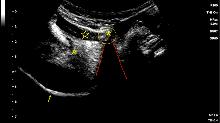
Figure 1
Localization of hyoid landmark on submental midsagittal ultrasound"
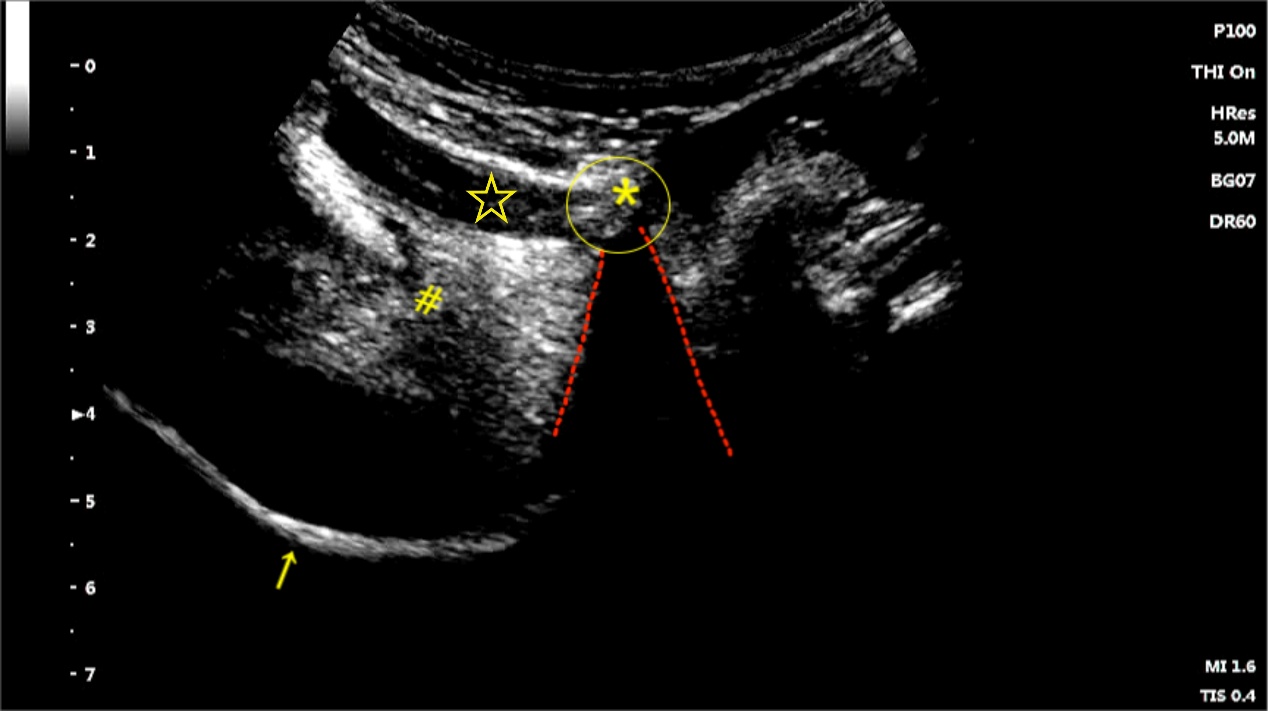

Table 1
Results of video screening and tracking quality control"
| 项目 | n | 占原始视频比例/% | 阶段内比例/% |
|---|---|---|---|
| 原始吞咽任务视频 | 414 | 100.00 | — |
| 分析前筛查剔除 | 89 | 21.50 | 21.50 |
| 舌骨影像显示不清或无法稳定辨认 | 79 | 19.08 | 19.08 |
| 吞咽过程记录不完整或关键运动阶段缺失 | 10 | 2.42 | 2.42 |
| 视频质量合格并进入半自动追踪分析 | 325 | 78.50 | 78.50 |
| 人工测量成功 | 325 | 78.50 | 100.00 |
| 追踪质量控制剔除 | 39 | 9.42 | 12.00 |
| 目标丢失 | 8 | 1.93 | 2.46 |
| 异常跳变 | 20 | 4.83 | 6.15 |
| 追踪停滞 | 4 | 0.97 | 1.23 |
| 错误重捕获 | 7 | 1.69 | 2.15 |
| 半自动追踪成功并纳入配对一致性分析 | 286 | 69.08 | 88.00 |
Table 2
Reliability of manual maximum hyoid displacement measurements (n = 286)"
| 指标 | 测量者间X方向 | 测量者间Y方向 | 重测X方向 | 重测Y方向 |
|---|---|---|---|---|
| Pearson r | 0.831(0.767~0.878) | 0.841(0.786~0.878) | 0.939(0.904~0.960) | 0.912(0.858~0.947) |
| Spearman ρ | 0.835(0.764~0.877) | 0.830(0.758~0.878) | 0.939(0.896~0.960) | 0.872(0.810~0.919) |
| ICC(A,1) | 0.815(0.755~0.858) | 0.775(0.703~0.821) | 0.925(0.883~0.950) | 0.912(0.856~0.946) |
| CCC | 0.815(0.754~0.857) | 0.775(0.702~0.821) | 0.924(0.882~0.949) | 0.912(0.855~0.946) |
| MAE/mm | 1.678(1.492~1.884) | 1.245(1.081~1.412) | 0.965(0.735~1.190) | 0.598(0.453~0.748) |
| RMSE/mm | 2.162(1.899~2.442) | 1.536(1.350~1.711) | 1.465(1.213~1.710) | 0.915(0.773~1.047) |
| Bias/mm | 0.711(0.294~1.091) | 0.900(0.707~1.097) | 0.631(0.391~0.876) | 0.014(-0.148~0.171) |
| LoA下限/mm | -3.300(-4.075~-2.517) | -1.545(-1.857~-1.207) | -1.965(-2.446~-1.490) | -1.783(-2.093~-1.462) |
| LoA上限/mm | 4.721(4.122~5.321) | 3.344(2.947~3.700) | 3.228(2.664~3.761) | 1.811(1.490~2.110) |
Table 3
Validity of semi-automated measurements (n = 286)"
| 指标 | 最大水平位移 | 最大垂直位移 |
|---|---|---|
| Pearson r | 0.865(0.821~0.901) | 0.754(0.686~0.812) |
| Spearman ρ | 0.872(0.816~0.910) | 0.747(0.664~0.814) |
| ICC(A,1) | 0.843(0.791~0.886) | 0.746(0.670~0.805) |
| CCC | 0.843(0.790~0.886) | 0.745(0.669~0.805) |
| MAE/mm | 1.415(1.202~1.678) | 1.088(0.961~1.219) |
| RMSE/mm | 2.081(1.720~2.459) | 1.389(1.230~1.540) |
| Bias/mm | -0.772(-1.092~-0.499) | -0.229(-0.449~0.008) |
| 95%LoA/mm | -4.567~3.023 | -2.918~2.460 |
| LoA下限的95%CI/mm | -5.417~-3.743 | -3.268~-2.540 |
| LoA上限的95%CI/mm | 2.536~3.466 | 2.058~2.841 |
Table 4
Performance of YOLOv8s"
| 数据集 | 目标数 | 精确率 | 召回率 | mAP@0.5 | mAP@0.5-0.95 |
|---|---|---|---|---|---|
| 验证集 | 296 | 0.957 | 0.980 | 0.992 | 0.707 |
| 独立测试集 | 204 | 0.940 | 0.956 | 0.974 | 0.609 |
| [1] |
Smaoui S, Peladeau-Pigeon M, Steele C M. Determining the relationship between hyoid bone kinematics and airway protection in swallowing[J]. J Speech Lang Hear Res, 2022, 65(2): 419-430.
doi: 10.1044/2021_JSLHR-21-00238 |
| [2] |
Wei K C, Hsiao M Y, Wang T G. The kinematic features of hyoid bone movement during swallowing in different disease populations: a narrative review[J]. J Formos Med Assoc, 2022, 121(10): 1892-1899.
doi: 10.1016/j.jfma.2022.04.007 |
| [3] |
Wei K C, Cheng S H, Hsiao M Y, et al. Swallowing kinematic analysis might be helpful in predicting aspiration and pyriform sinus stasis[J]. Sci Rep, 2022, 12(1): 1354.
doi: 10.1038/s41598-022-05441-2 |
| [4] |
Lee W H, Lim M H, Seo H G, et al. Hyoid kinematic features for poor swallowing prognosis in patients with post-stroke dysphagia[J]. Sci Rep, 2021, 11(1): 1471.
doi: 10.1038/s41598-020-80871-4 pmid: 33446787 |
| [5] | Arii H, Sakai T. Hyoid bone velocity and distance during the forward phase correlate with pyriform sinus residue: a retrospective case series[J]. Prog Rehabil Med, 2025, 10: 20250009. |
| [6] |
Cheng S H, Wei K C, Wang T G, et al. Temporal and kinematic measurements of hyoid bone excursion in patients with head and neck cancer[J]. Ann Rehabil Med, 2025, 49(4): 234-245.
doi: 10.5535/arm.250005 |
| [7] |
Kwong E, Shek P T C, Leung M T, et al. Temporal measures of oropharyngeal swallowing events identified using ultrasound imaging in healthy young adults[J]. PLoS One, 2022, 17(6): e0270704.
doi: 10.1371/journal.pone.0270704 |
| [8] |
Hsiao M Y, Wu C H, Wang T G. Emerging role of ultrasound in dysphagia assessment and intervention: a narrative review[J]. Front Rehabil Sci, 2021, 2: 708102.
doi: 10.3389/fresc.2021.708102 |
| [9] |
Potente P, Buoite Stella A, Vidotto M, et al. Application of ultrasonography in neurogenic dysphagia: a systematic review[J]. Dysphagia, 2023, 38(1): 65-75.
doi: 10.1007/s00455-022-10459-9 |
| [10] |
Maeda K, Nagasaka M, Nagano A, et al. Ultrasonography for eating and swallowing assessment: a narrative review of integrated insights for noninvasive clinical practice[J]. Nutrients, 2023, 15(16): 3560.
doi: 10.3390/nu15163560 |
| [11] |
Shuai J, Pian L, Tian L, et al. Application of B+M-mode ultrasound in evaluating dysphagia in elderly stroke patients[J]. Ultrasound Med Biol, 2025, 51(2): 273-279.
doi: 10.1016/j.ultrasmedbio.2024.10.001 pmid: 39510944 |
| [12] |
Liao L J, Tung Y H, Lin Y H, et al. Application of real-time submental ultrasonography to assess swallowing[J]. J Med Ultrasound, 2023, 31(4): 287-292.
doi: 10.4103/jmu.jmu_110_22 pmid: 38264601 |
| [13] | 苏琳琳, 黄婷婷, 林冬喜, 等. 超声评估神经源性吞咽障碍的研究进展[J]. 中国中西医结合影像学杂志, 2026, 24(3): 390-394. |
| [14] |
Zhan S Y, Wei L M, Lin Z C, et al. Association of tongue-hyoid bone motion parameters measured dynamically by submental ultrasound with the severity of post-stroke dysphagia[J]. Clin Biomech (Bristol), 2026, 137: 106871.
doi: 10.1016/j.clinbiomech.2026.106871 |
| [15] |
Andrade R A, de Souza E L H, et al. do Sales Coriolano M D G W, Reliability of ultrasound examination of hyoid bone displacement amplitude: a systematic review and meta-analysis[J]. Dysphagia, 2022, 37(6): 1375-1385.
doi: 10.1007/s00455-022-10429-1 pmid: 35230536 |
| [16] |
Wang Y, Wang Q, Yu W, et al. Validity and reliability of ultrasound assessment of swallowing function: a systematic review and meta-analysis[J]. J Oral Rehabil, 2025, 52(7): 1094-1110.
doi: 10.1111/joor.13992 pmid: 40317751 |
| [17] |
da Silva Martins S L P G, de Vasconcelos M L, de Freitas Bandeira J, et al. Kinematic measurements of swallowing by ultrasound: a scoping review[J]. Dysphagia, 2025, 40(4): 681-699.
doi: 10.1007/s00455-024-10768-1 |
| [18] | Magalhães D D D, Bandeira J F, Pernambuco L. Quantitative approach to analyze hyoid bone movement during swallowing by ultrasound: an integrative review[J]. Codas, 2023, 35(4): e20220002. |
| [19] |
Allen J E, Clunie G, Ma J K Y, et al. Translating ultrasound into clinical practice for the assessment of swallowing and laryngeal function: a speech and language pathology-led consensus study[J]. Dysphagia, 2022, 37(6): 1586-1598.
doi: 10.1007/s00455-022-10413-9 |
| [20] | de Andrade R A, Pernambuco L de A, de Almeida A N S, et al. Methodological procedures to acquire and analyze ultrasound images of swallowing: a scoping review[J]. Dysphagia, 2025, 40(1): 1-53. |
| [21] |
Macrae P R, Doeltgen S H, Jones R D, et al. Intra- and inter-rater reliability for analysis of hyoid displacement measured with sonography[J]. J Clin Ultrasound, 2012, 40(2): 74-78.
doi: 10.1002/jcu.20874 pmid: 21953135 |
| [22] |
Chen Y C, Hsiao M Y, Wang Y C, et al. Reliability of ultrasonography in evaluating hyoid bone movement[J]. J Med Ultrasound, 2017, 25(2): 90-95.
doi: 10.1016/j.jmu.2017.01.002 |
| [23] |
Winiker K, Hammond R, Thomas P, et al. Swallowing assessment in patients with dysphagia: validity and reliability of a pocket-sized ultrasound system[J]. Int J Lang Commun Disord, 2022, 57(3): 539-551.
doi: 10.1111/1460-6984.12703 pmid: 35112768 |
| [24] |
Ma J K Y, Wrench A A. Automated assessment of hyoid movement during normal swallow using ultrasound[J]. Int J Lang Commun Disord, 2022, 57(3): 615-629.
doi: 10.1111/1460-6984.12712 pmid: 35285113 |
| [25] |
Feng S, Shea Q T K, Ng K Y, et al. Automatic hyoid bone tracking in real-time ultrasound swallowing videos using deep learning based and correlation filter based trackers[J]. Sensors (Basel), 2021, 21(11): 3712.
doi: 10.3390/s21113712 |
| [26] |
Ma J K Y, Wrench A A. The application of ultrasound evaluation of swallowing to the analysis of hyoid kinematics in healthy swallows[J]. J Speech Lang Hear Res, 2025, 68(5): 2205-2217.
doi: 10.1044/2025_JSLHR-24-00663 |
| [27] |
Barron K, Blaivas M, Blaivas L, et al. Bedside ultrasound to identify and predict severity of dysphagia following ischemic stroke: human versus artificial intelligence[J]. Ultrasound Med Biol, 2024, 50(1): 99-104.
doi: 10.1016/j.ultrasmedbio.2023.09.008 |
| [28] |
Lam W Y S, Kwong E, Chan H W T, et al. Using sequence analyses to quantitatively measure oropharyngeal swallowing temporality in point-of-care ultrasound examinations: a pilot study[J]. J Clin Med, 2024, 13(8): 2288.
doi: 10.3390/jcm13082288 |
| [29] |
Kelly E, Nazeer S, Fazzini B, et al. Assessing the oral and suprahyoid muscles in healthy adults using muscle ultrasound to inform the swallowing process: a proof-of-concept study[J]. Sci Rep, 2024, 14(1): 13198.
doi: 10.1038/s41598-024-62032-z pmid: 38851791 |
| [30] | 中国吞咽障碍膳食营养管理专家共识组. 吞咽障碍膳食营养管理中国专家共识(2019版)[J]. 中华物理医学与康复杂志, 2019, 41(12): 881-888. |
| [31] |
Magana-Salgado U, Namburi P, Feigin-Almon M, et al. A comparison of point-tracking algorithms in ultrasound videos from the upper limb[J]. Biomed Eng Online, 2023, 22: 52.
doi: 10.1186/s12938-023-01105-y pmid: 37226240 |
| [32] |
Koo T K, Li M Y. A guideline of selecting and reporting intraclass correlation coefficients for reliability research[J]. J Chiropr Med, 2016, 15(2): 155-163.
doi: 10.1016/j.jcm.2016.02.012 pmid: 27330520 |
| [33] |
Kim W S, Zeng P, Shi J Q, et al. Semi-automatic tracking, smoothing and segmentation of hyoid bone motion from videofluoroscopic swallowing study[J]. PLoS One, 2017, 12(11): e0188684.
doi: 10.1371/journal.pone.0188684 |
| [34] | Kim H I, Kim Y, Kim B, et al. Hyoid bone tracking in a videofluoroscopic swallowing study using a deep-learning-based segmentation network[J]. Diagnostics (Basel), 2021, 11(7): 1147. |
| [35] |
Zhang Z, Coyle J L, Sejdić E. Automatic hyoid bone detection in fluoroscopic images using deep learning[J]. Sci Rep, 2018, 8(1): 12310.
doi: 10.1038/s41598-018-30182-6 pmid: 30120314 |
| [36] | Hino H, Suzuki T, Maekawa K, et al. Effect of bolus property on swallowing dynamics in patients with dysphagia[J]. J Oral Rehabil, 2024, 51(8): 518-526. |
| [37] | Winiker K, Burnip E, Gozdzikowska K, et al. Ultrasound: validity of a pocket-sized system in the assessment of swallowing[J]. Dysphagia, 2021, 36(6): 602-610. |
| [38] |
Schoenleb N S, Krekeler B N, Hopkins A K, et al. Assessment of hyoid bone movement by simultaneous ultrasound and videofluoroscopic imaging[J]. Dysphagia, 2026, 41(4): 772-787.
doi: 10.1007/s00455-026-10929-4 |
| [39] |
Xiao X, Zhang J, Shao Y, et al. Deep learning-based medical ultrasound image and video segmentation methods: overview, frontiers, and challenges[J]. Sensors (Basel), 2025, 25(8): 2361.
doi: 10.3390/s25082361 |
| [40] |
Sreedevi E V, Iyer K S, Thankappan K, et al. Artificial intelligence tools for the assessment and management of dysphagia: a scoping review[J]. BMJ Open, 2026, 16(7): e119582.
doi: 10.1136/bmjopen-2026-119582 |
| [1] | NI Tianhao, BI Siyu, DAI Yuan, QIAN Hong, WANG Yongli, WAN Qin, HUANG Zhaoming. Development and validation of assessment and diagnostic tools for apraxia of speech of Chinese Putonghua [J]. Chinese Journal of Rehabilitation Theory and Practice, 2026, 32(5): 550-560. |
| [2] | SUN Jiayao, MA Chunhua, LÜ Jun, TANG Qi, SHAO Zhimin, HU Kangning, HUANG Haoying, HUANG Aihua. Development of a needs assessment tool for grading care services for adults with disabilities in welfare institutions [J]. Chinese Journal of Rehabilitation Theory and Practice, 2025, 31(7): 802-811. |
| [3] | WU Xiaohui, JIANG Lei, ZHU Jingru, XIE Lihui. Deep learning for diagnosis of mild cognitive impairment in older adults: a scoping review [J]. Chinese Journal of Rehabilitation Theory and Practice, 2025, 31(6): 674-681. |
| [4] | FENG Haiyang. Reliability and validity of foot function index in flatfeet of children and adolescents [J]. Chinese Journal of Rehabilitation Theory and Practice, 2025, 31(6): 729-735. |
| [5] | LIU Fangchao, ZHANG Yuanmingfei, WU Meiqi, ZHOU Mouwang, LI Tao. Validity of key points detection technology of artificial intelligence in gait kinematics analysis [J]. Chinese Journal of Rehabilitation Theory and Practice, 2025, 31(3): 249-253. |
| [6] | YU Boyang, YANG Yanyan, MA Ao, LI Tao, LIU Xiaoxie, LI Zhengyang, DUAN Yajing, LIU Jiaqi, XIE Yuxiao, WANG Cui, HUANG Zhen, ZHANG Lining, LIU Xinyi, JIA Zishan, ZHOU Mouwang. Reliability and validity of assessment tools of Brief ICF Core Sets for Arthroplasty of Knee Osteoarthritis in Perioperative Period [J]. Chinese Journal of Rehabilitation Theory and Practice, 2024, 30(9): 1053-1059. |
| [7] | Committee of Neurological Rehabilitation, China Association of Rehabilitation of Disabled Persons, China Rehabilitation Research Center. Expert consensus on rehabilitation and management of airway function for neurocritical patients with tracheotomy (2024) [J]. Chinese Journal of Rehabilitation Theory and Practice, 2024, 30(8): 869-881. |
| [8] | LU Kai, LIU Yuxin, WANG Sujuan, CHEN Weiming, XU Yetao, ZHOU Hao, YAO Yelin, YIN Huanhuan, ZHANG Zhengzheng, DU Yan. Inter-rater reliability of Medical Research Council muscle strength test in pediatric intensive care unit [J]. Chinese Journal of Rehabilitation Theory and Practice, 2024, 30(4): 493-496. |
| [9] | GENG Limeng, LIU Congcong, LI Ling, LÜ Panpan, WANG Xin, LIU Fang. Psychological and behavioral characteristics of children with autism spectrum disorder using Psycho-educational Profile (Third Edition) [J]. 《Chinese Journal of Rehabilitation Theory and Practice》, 2023, 29(9): 1035-1039. |
| [10] | LI Zhenya, SUN Jie, GUO Pengfei, WANG Guangming. Correlation between changes of swallowing function in oral and pharyngeal phases, and aspiration in stroke patients based on videofluroscopic swallowing study [J]. 《Chinese Journal of Rehabilitation Theory and Practice》, 2023, 29(8): 933-939. |
| [11] | YI Qifeng, HUANG Zhuoer, YANG Guoli, XIE Lihua, XIE Shengfeng, WU Xiaoxia, YAN Jin. Development, and reliability and validity testing of a knowledge needs questionnaire of respiratory rehabilitation training for in-service healthcare workers [J]. 《Chinese Journal of Rehabilitation Theory and Practice》, 2023, 29(8): 985-992. |
| [12] | LI Junyi, CHEN Zehua, WU Zugui, WANG Yi, LI Congcong, WANG Shuai, CHEN Weijian, YE Zixuan, SHEN Xingxing, XIANG Ruian, LIU Wengang, XU Xuemeng. Reliability on evaluation of quadriceps femoris muscle quality by ultrasonic echo intensity in patients with knee osteoarthritis [J]. 《Chinese Journal of Rehabilitation Theory and Practice》, 2023, 29(6): 738-744. |
| [13] | QIU Xiao, LING Junqi, CONG Yangyang, BAI Yulong. Feasibility, reliability and validity of a 3D scanning volume measurement for distal upper limb volume [J]. 《Chinese Journal of Rehabilitation Theory and Practice》, 2023, 29(3): 364-367. |
| [14] | ZHOU Hui, GONG Zunke, TIAN Gengrun, GU Chengchen, WANG Shiyan, WANG Mi. Application of fiberoptic endoscopic examination of swallowing combined with dye test in silent aspiration after stroke [J]. 《Chinese Journal of Rehabilitation Theory and Practice》, 2023, 29(2): 231-237. |
| [15] | SHEN Xingxing, XIONG Yuling, CHEN Weijian, LI Congcong, LI Junyi, WANG Shuai, ZHANG Jiahao, XIANG Ruian, CHEN Jiahao, LIU Wengang, XU Xuemeng. Difference of cervical and shoulder muscle performance and its correlation with pain and body mass index in patients with chronic neck pain [J]. 《Chinese Journal of Rehabilitation Theory and Practice》, 2023, 29(12): 1420-1428. |
| Viewed | ||||||
|
Full text |
|
|||||
|
Abstract |
|
|||||
|
||
